Tool Storage for a Small Apartment: Real Solutions
Tool storage for a small apartment without a garage: no-drill mounting, folding benches, and how to store sharp tools safely without losing your deposit.

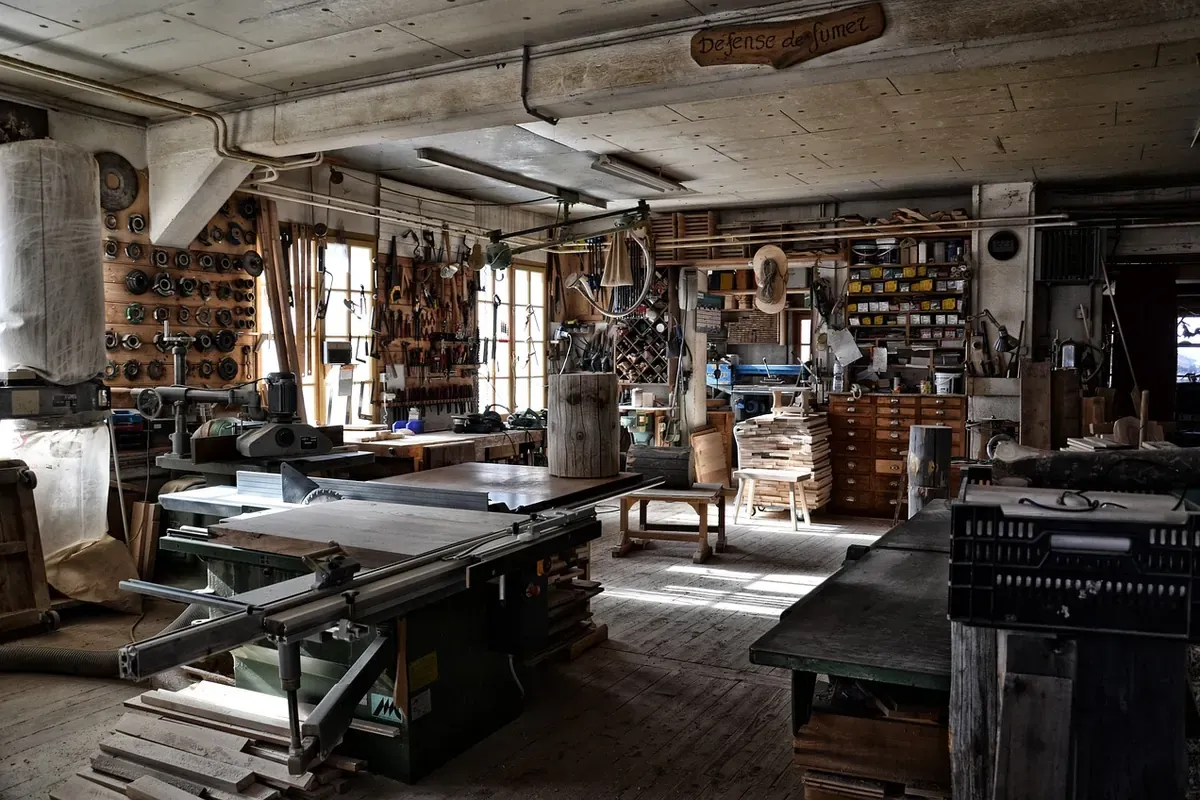
Good tool storage in a small apartment comes down to three constraints that a garage never forces on you: you cannot spare floor space, you probably cannot drill freely without risking your deposit, and your neighbors are close enough that dust and noise become their problem too. Work within those limits and the answer is consistent. Go vertical for the tools you reach for daily, hide the bulky ones inside furniture or a closet, use a folding surface that stores flat, and keep sharp edges covered. Everything below is built around those four moves, with the real weight limits and trade-offs named instead of glossed over.
How to plan tool storage in a small apartment
Before you buy a single hook, decide what actually earns wall space. Most people over-store. A small-space woodworker reaches for a handful of tools constantly and the rest a few times a month, so those two groups get different homes.
| Tool group | Example items | Best storage | Renter trade-off |
|---|---|---|---|
| Daily hand tools | marking knife, chisels, small saw, square, tape | Vertical: pegboard, magnetic strip, French cleat | Wall marks or holes; plan the mounting |
| Occasional power tools | drill, sander, jigsaw | Closet shelf or under-bed bin, in cases | Heavy; keep off adhesive-only mounts |
| Bulk and consumables | clamps, offcuts, sandpaper, finishes | Labeled stackable bins, storage bench | Weight and fumes; store flat and sealed |
| Sharp or bladed | chisels, hand saws, spare blades | Covered edges in a rack, slot, or roll | Injury risk if left loose in a drawer |
Sort your kit into those four rows first. Be honest about the daily group, because it is smaller than most people assume and it is the only group that earns prime wall space.
Go vertical, but know exactly what your wall can hold

Vertical storage is the single biggest space win in an apartment, and it is also where renters get burned. The honest split is between no-drill mounting and mounting into the wall.
No-drill adhesive mounts are the deposit-safe option, and their limits are published. According to 3M's Command brand weight guidance (read 2026-09-12), the strongest picture-hanging strips in the lineup hold up to 20 pounds and the strongest single hook holds 15 pounds. That is plenty for a marking knife, a square, or a light hand saw. What it will not do is carry a shelf. 3M states plainly that Command strips are not built for load-bearing shelves, because a loaded shelf levers the adhesive outward and peels it off the wall. For anything you stack weight onto, you need screws into a stud or a rated drywall anchor.
That is the trade-off in one sentence: adhesive keeps your deposit but caps you at light tools, and load-bearing storage means holes you will patch later. A pegboard splits the difference well, since one board mounted on a few anchors holds many light tools while limiting the wall to a small, patchable footprint. A French cleat rail is the woodworker's version: a single beveled strip screwed into studs, off which you hang cleated holders you build yourself. It carries real weight and concentrates the damage to one line of holes instead of dozens. A magnetic strip is the cheapest win for chisels and small steel tools, and it mounts with the same few fasteners.
Furniture and closets that hide the bulky tools
Not every tool deserves to be seen. Drills, sanders, and jigsaws are heavy, occasional, and happier in a case than swinging from a hook. This is where dual-purpose furniture and a converted closet do the quiet work.
A storage bench or an ottoman with an internal compartment doubles as seating and swallows power-tool cases, clamps, and consumables out of sight. Under-bed bins are the most overlooked apartment space in the building: shallow, wide, and perfect for cased tools and offcuts. Clear, stackable, lidded bins beat cardboard here because the lid keeps dust and humidity off metal and the transparent side means you find the right bin without opening five. Label them anyway.
A closet is the closest thing an apartment has to a garage. A single wire or plywood shelf above the rod turns dead vertical space into a home for bins and cases, and a narrow rolling cart can live on the floor beneath it and roll out when you work. For a fuller walkthrough of organizing both lumber and tools in tight quarters, see our companion piece on how to store wood and tools in a small apartment.
A folding workbench is storage and surface in one
In a small apartment your bench and your storage compete for the same square footage, so the smart answer is to make them the same object. A folding or wall-mounted workbench gives you a real work surface when you need it and disappears flat against the wall when you do not, and many designs build tool storage into the frame itself.
The trade-off to accept honestly: a folding bench is never as rock-solid as a heavy freestanding one, so it is better suited to hand-tool work, assembly, and light power-tool tasks than to heavy planing or aggressive sawing that wants mass underfoot. That is a fair price for getting your living room back every evening. If you are weighing specific designs and their stability limits, our breakdown of portable workbenches for small spaces walks through what to look for and where the cheap ones fall short.
Store sharp tools so they cannot cut you

This is the row most storage articles skip, and it is the one with a real injury hazard. Chisels, hand saws, and spare blades left loose in a drawer or a toolbox are a laceration waiting for the hand that reaches in. The hazard is a cut, and the fix is covering the edge and controlling how the tool sits.
The Canadian Centre for Occupational Health and Safety, in its guidance on working safely with sharp blades and edges (read 2026-09-12), advises storing sharp tools with the cutting edges suitably covered, in a rack, slot, or box, with handles facing the front so you grip the handle and never the blade. Retractable blades should be retracted fully before they go away. In practice that means a slotted holder or a tool roll for chisels, blade guards or a saw till for hand saws, and a dedicated puncture-resistant container for dull or broken blades rather than a loose bin. None of this needs a garage. It needs a few slots and the discipline to use them.
Keep rust and dust from doing the damage for you
Storage in an apartment is not only about space, it is about the conditions your tools sit in. A kitchen-adjacent living space swings in humidity, and bare steel rusts. Store metal tools in a dry spot with some airflow, drop silica gel packets into closed cases and drawers, and a light film of oil on plane soles and chisel backs buys real protection between uses.
Dust is the other slow enemy, and in a shared building it is a courtesy issue as much as a storage one. Lidded bins keep grit off your edges, but the dust you make while working is the bigger problem for close neighbors. Handle that at the source rather than after it settles; our guide on how to contain sawdust in a small apartment covers the containment methods that actually work in a rental. If you are still setting up and want to keep wall damage to a minimum from the start, the woodworking projects for renters that won't damage anything piece pairs well with a no-drill storage plan.
The honest limits of small-apartment storage
No storage system turns an apartment into a workshop, and pretending otherwise wastes your money. Vertical space is finite, so a growing tool collection eventually forces a choice about what you actually keep rather than another hook. Adhesive mounting has a hard ceiling and cannot be argued past it. A folding bench trades stability for space, and you will feel that on heavy cuts. And every mounting decision is a negotiation with your lease, because the cleanest storage in the world is not worth a withheld deposit.
The upside is that most small-space woodworking never needed the garage in the first place. A prioritized wall, a hidden reserve in furniture and a closet, a bench that folds away, and a safe home for your edges will hold everything a focused hand-tool kit demands. Build for the tools you use, not the ones you imagine buying.
Frequently asked questions
How do I store tools in an apartment without drilling holes?
Use no-drill mounting for light tools and hide the rest. Adhesive strips and hooks handle daily hand tools within their published limits, a storage ottoman or under-bed bin takes cased power tools, and a closet shelf absorbs bins. Reserve any drilling for a single pegboard or French cleat rail so the wall damage is small and patchable.
How much weight can no-drill adhesive strips actually hold?
Per 3M's Command brand guidance, the strongest picture-hanging strips hold up to 20 pounds and the strongest single hook holds 15 pounds, and 3M says not to use them for load-bearing shelves. That is enough for light hand tools but not for shelving or heavy power tools, which need screws into a stud or a rated anchor.
What is the best way to store chisels and saws safely in a small space?
Cover the cutting edges and control how the tool sits. Store chisels in a slotted holder or tool roll, keep hand saws in blade guards or a saw till, and place handles facing front so you never grab a blade. Put dull or broken blades in a puncture-resistant container rather than a loose drawer.
Can I use a folding workbench for real woodworking?
Yes, for hand-tool work, assembly, and light power-tool tasks. A folding bench stores flat and often builds in tool storage, which is ideal for an apartment. It will flex more than a heavy freestanding bench, so it is less suited to heavy planing or aggressive sawing that wants mass under the tool.
How do I keep tools from rusting in an apartment?
Control moisture. Store metal tools in a dry, ventilated spot, add silica gel packets to closed cases and drawers, and wipe a light film of oil onto plane soles and chisel backs between uses. Lidded bins also keep humidity and dust off edges better than open storage.