Minimal Tool Kit
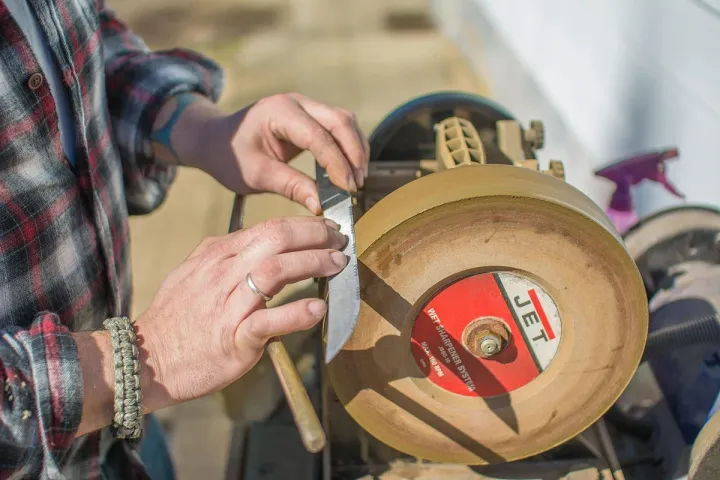
How to Sharpen Woodworking Tools as a Beginner
Flatten the back, set the bevel, raise a burr, remove it. The sharpening method for chisels and plane blades at a kitchen table, no grinder needed.
Flatten the back, set the bevel, raise a burr, remove it. The sharpening method for chisels and plane blades at a kitchen table, no grinder needed.
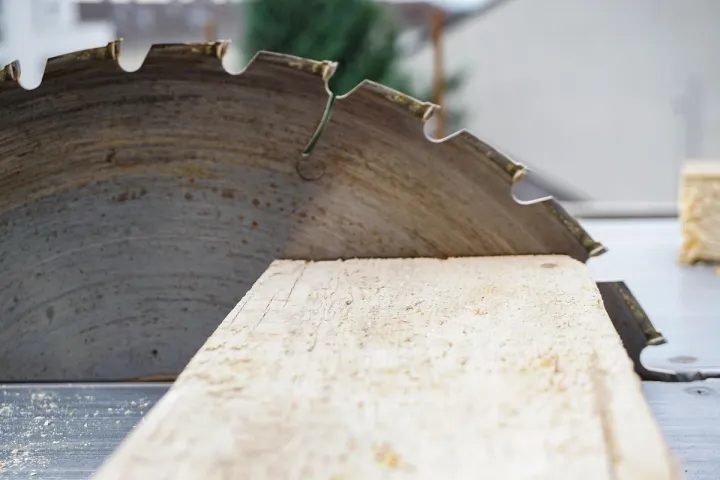
Cut depth, rail length and joining, the rail system you commit to, dust extraction and storage. How to judge a track saw for a small space.
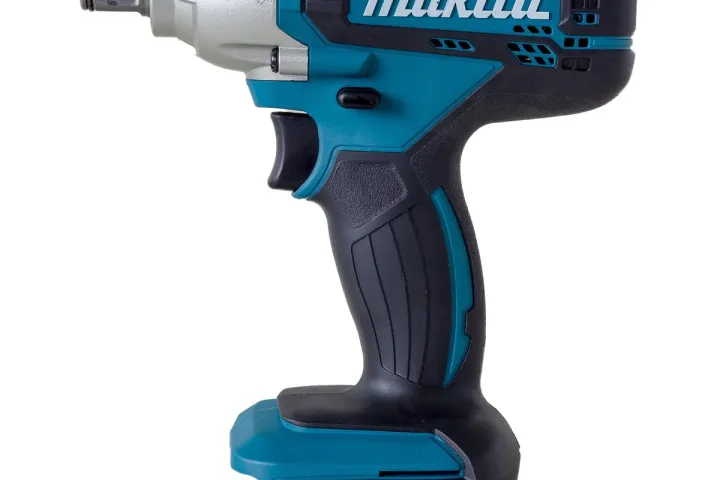
Oscillation angle, speed control, the accessory interface and corded vs battery. What to check on any multi-tool, and what it cannot do well.

Which woodworking tools are safe bets secondhand, which to buy new, how to inspect each type, and the recall check most buyers skip.
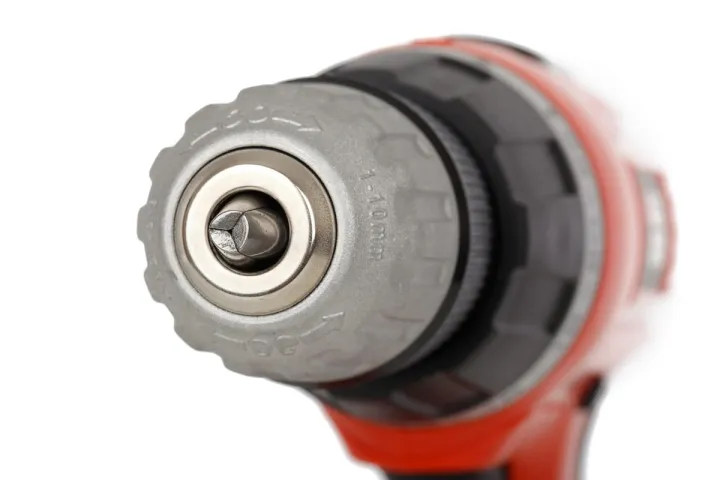
The answer is per tool, not per shop. Sustained load, storage volume, charging in your home, and the noise figure that is already in the manual.
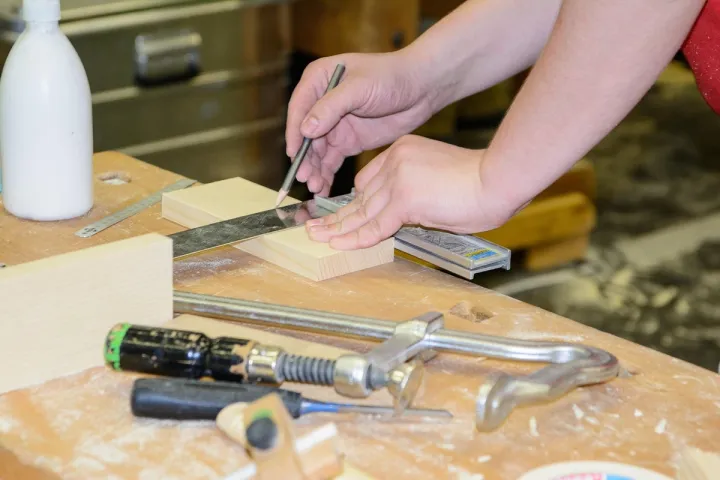
Every starter list disagrees because they count tools. Count operations instead: measure, hold, cut, join, smooth, finish. Four to six items covers it.

Your accuracy is decided before the saw touches the wood. Line width, tape tolerance classes, square checks and the transfer habit that beats measuring.
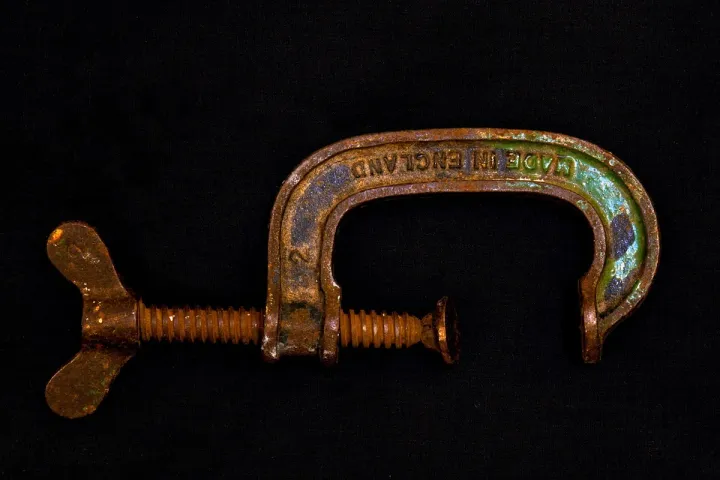
Capacity, throat depth, clamping force and jaw geometry, explained. How to choose clamps by the job they do, when you have no bench and no garage.
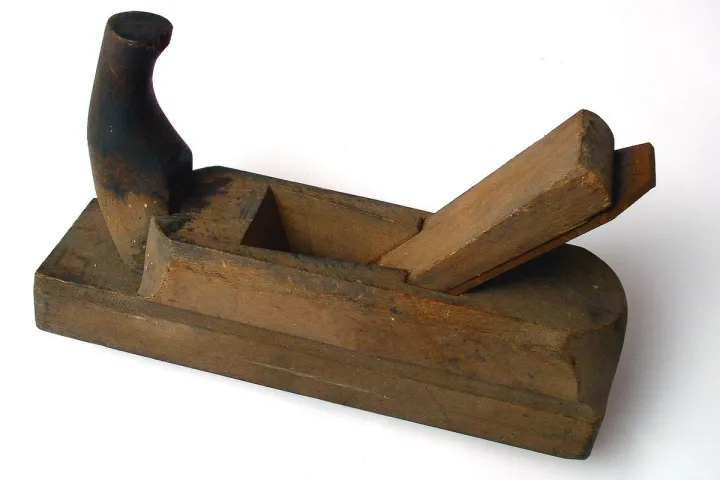
What plane numbers mean, why sole length is the real specification, and the honest test for whether a beginner in a small home needs a plane at all.