How to Contain Sawdust in a Small Apartment (Safely)
Fine wood dust is a real respiratory hazard, not just a mess. How to capture it, filter it, and protect yourself when you work in a home you live in.

Fine wood dust, the near-invisible fraction that stays suspended in the air rather than settling as visible shavings on the floor, is a genuine respiratory hazard, and hardwood dust specifically is classified as a human carcinogen by the International Agency for Research on Cancer (IARC), with the U.S. Occupational Safety and Health Administration (OSHA) recognizing wood dust broadly as a health hazard that irritates the eyes, nose, and lungs and impairs pulmonary function with repeated exposure. Containing it in an apartment means three things together, not one: capturing dust at the source with equipment actually rated for fine dust, not a standard shop vacuum; protecting your lungs with a respirator rated for the job, not a loose paper mask; and cleaning with a vacuum rather than a broom, since dry sweeping just re-suspends what already settled. Skip any one of the three and the dangerous fraction, the part you can't see, keeps circulating through the room you sleep in.
Why this matters more in an apartment than in a garage shop
A detached garage or a proper shop has real ventilation options: an open bay door, a dedicated exhaust fan, distance between the work area and living space. An apartment doesn't. Whatever dust doesn't get captured at the source stays in the same air you're breathing for the rest of the day and the same air that settles on furniture, bedding, and surfaces long after you've put the tools away. That's the actual reason this deserves its own guide rather than a paragraph inside the general roadmap for starting without a garage: the stakes of getting containment wrong are meaningfully higher when there's no separation between your workspace and the room you live in.
The part everyone gets wrong: it's not the visible shavings
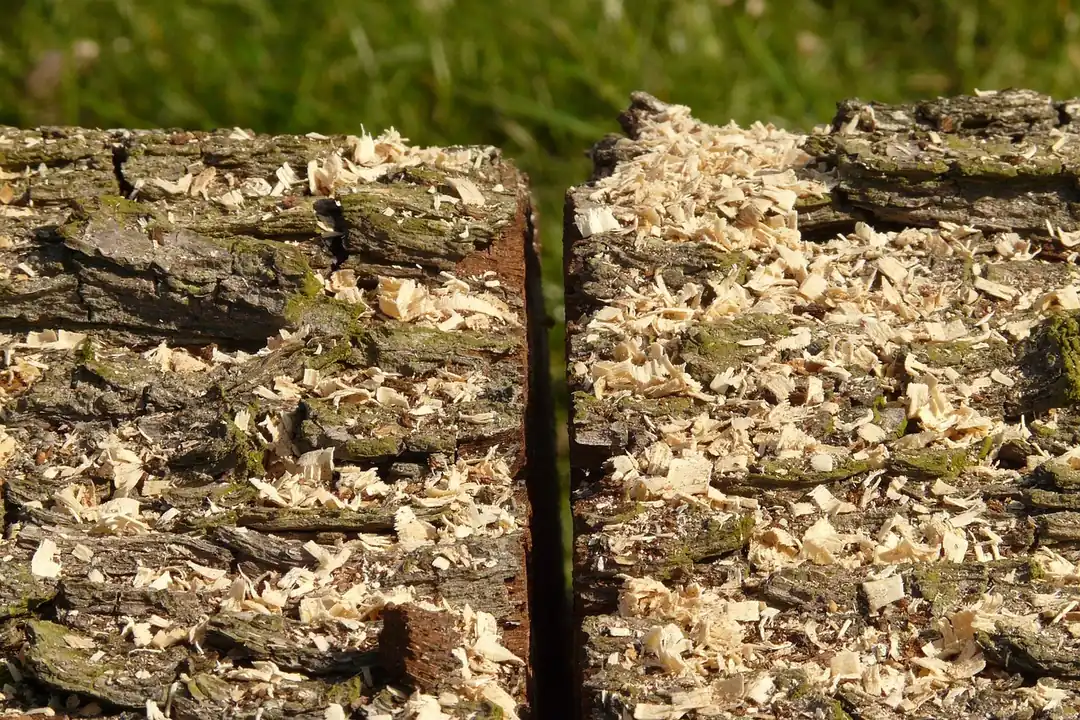
Visible shavings and chips fall to the floor fast and sweep up easily. They are not the primary health concern. The genuinely hazardous fraction is the fine dust your eyes can't resolve as individual particles, small enough to stay airborne for hours and small enough to be inhaled deep into the lungs rather than filtered out by your nose and throat the way larger particles are. OSHA's guidance on wood dust and the underlying IARC classification are both specifically about this fine, respirable fraction, not the coarse shavings that end up in a dustpan. If a workspace looks clean because the visible chips are swept up, that tells you nothing about whether the fine fraction has actually cleared the air.
A shop vacuum is not a dust extractor
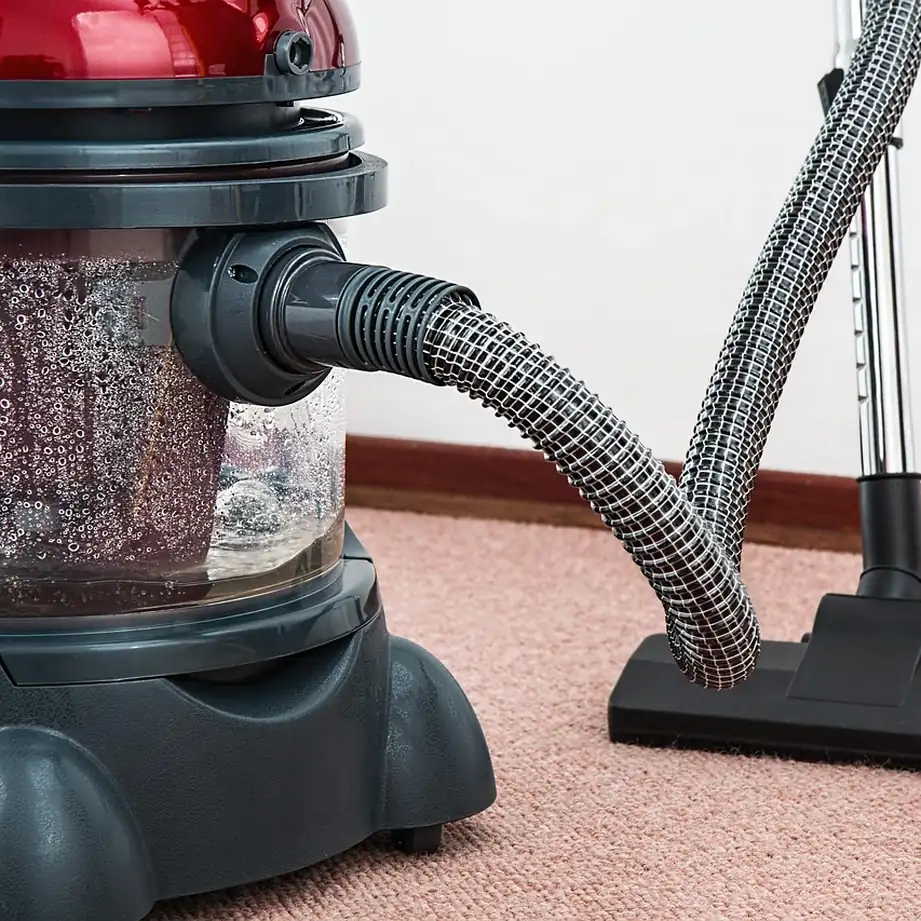
This distinction is the single most commonly misunderstood point in apartment woodworking, and it's worth being direct about it. A standard shop vacuum, even a good one, is built around a filter that captures larger debris efficiently but is not sealed against fine-dust bypass: dust escapes around gaskets and seals, and through the motor exhaust, even with a filter rated for fine particles fitted. A true dust extractor is engineered differently from the ground up, with sealed joints, a filtration system designed for continuous fine-dust capture, and often a self-cleaning filter mechanism that resists clogging so suction and filtration stay consistent during a full work session. Adding a HEPA-rated filter to an ordinary shop vacuum improves things, but it does not turn that vacuum into a sealed, HEPA-performance system. If you're capturing dust at the tool itself, a genuine HEPA-rated extractor, not just a HEPA filter dropped into a standard shop vacuum, is the equipment that actually keeps the fine fraction out of the air.
A regular household vacuum is worse than either. Most household vacuums are built to capture visible debris and larger particles, not the fine respirable fraction, and many exhaust unfiltered air directly back into the room. Using a household vacuum on sawdust can put more fine dust into the air than it removes, since it disturbs settled dust and then fails to fully filter it before the exhaust. If a vacuum's filtration isn't specifically rated for fine or hazardous dust, apartment sawdust is exactly the wrong job for it.
Respirator selection: by rating, not by "wear a mask"
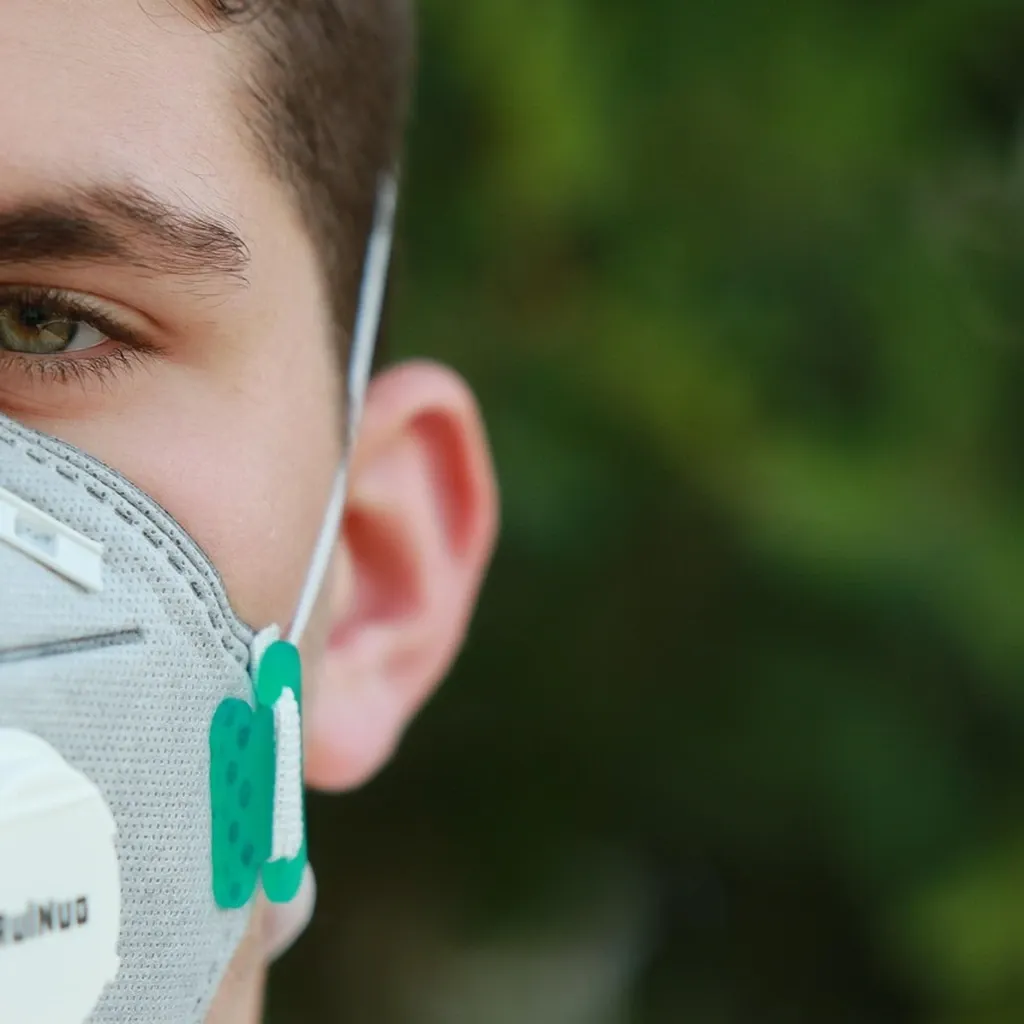
A dust mask and a fitted respirator are not the same category of protection, and treating them as interchangeable is a real gap in a lot of casual safety advice. A loose paper dust mask, the kind sold in multi-packs at a hardware store without a specific rating, does not seal against your face and lets a meaningful amount of unfiltered air in around the edges. What actually protects you is a respirator selected by its rating and fitted properly against your face. NIOSH, the U.S. National Institute for Occupational Safety and Health, rates filtering respirators by how much airborne particulate they remove and their resistance to oil-based particles: an N95 filters at least 95% of airborne particles and is not oil-resistant, while a P100 filters at least 99.97% and is rated as oil-proof, a relevant distinction if you're also finishing wood in the same space. For an apartment woodworker, a respirator with a NIOSH rating appropriate to fine wood dust, correctly fitted so there's no gap at the seal, is the actual protection. "I put on a mask" is not the same claim as "I put on a respirator rated for this job and it fits."
Physical containment: reducing what gets airborne in the first place
Capture and PPE matter most, but physical containment reduces the load on both:
Capture dust as close to the tool as possible, not after it's already airborne. A sander or saw with a dust port connected directly to an extractor captures far more at the source than trying to vacuum the room afterward. Source capture is always more effective than after-the-fact cleanup.
Use a drop cloth or tarp under the work area, so settled dust concentrates in one place rather than spreading across carpet or upholstery, both of which are far harder to fully clean of fine dust than a hard floor or a tarp.
Close the workspace off from the rest of the apartment while you work, a closed door between the work area and a bedroom or kitchen meaningfully reduces how far airborne dust travels before it's captured or settles.
Clean with a vacuum rated for fine dust, never a broom, on any hard surface once you're done, and store dust-collection bags and filters in a sealed container between sessions rather than an open bin. The small-apartment storage guide covers where gear like this can realistically live. Dry sweeping lifts settled dust back into the air rather than removing it, undoing whatever containment happened during the actual work.
The fire risk that belongs in this conversation too
Accumulated fine wood dust isn't only a respiratory hazard, it's also a fire risk: significant buildups of fine dust are recognized as a combustion hazard in industrial settings, and while an apartment workspace is a smaller scale, the same principle, fine particulate accumulating in enclosed spaces, applies to why dust shouldn't be left to pile up in corners or inside enclosed tool cabinets over time. This risk compounds with a separate one specific to finishing: oily rags used with certain oil-based finishes can self-heat and ignite on their own if balled up rather than dried flat or submerged in water. The guide to sawdust and scrap disposal in an apartment covers that fire risk in full, since it's as much a disposal question as a containment one.
What this means for choosing tools and projects
None of this is a reason to avoid woodworking in an apartment, it's a reason to be specific about equipment and habits rather than casual about "I'll just be careful." Favoring hand tools for tasks where they're realistic, a hand plane over a power sander for light smoothing, for instance, genuinely reduces the fine-dust load you're generating in the first place, which is worth weighing alongside the extraction and PPE steps above rather than as a replacement for them. The minimal tool kit guide covers which tools tend to produce less airborne dust as part of a broader buying decision, and the temporary workshop setup guide covers how to physically arrange a space with this containment approach built in from the start rather than added afterward.
FAQ
Is sawdust actually dangerous, or is this overcautious? Fine wood dust is a genuine respiratory hazard, and hardwood dust specifically is classified as a carcinogen by IARC. The risk is real and specifically tied to the fine, airborne fraction, not the visible shavings that sweep up easily.
Can I use a regular shop vacuum to control sawdust? A standard shop vacuum is better than nothing but is not built to fully seal against fine-dust bypass, even with a HEPA filter added. A genuine HEPA-rated dust extractor, engineered as a sealed system, is what actually controls the fine fraction at the source.
Is a paper dust mask enough protection? No. A loose dust mask without a specific rating doesn't seal against your face. A respirator with a NIOSH rating appropriate for fine dust, properly fitted, is the actual protection, and the two are not interchangeable.
Does sawdust in an apartment pose a fire risk? Accumulated fine dust is a recognized combustion hazard at industrial scale, and while an apartment is smaller, keeping dust from piling up in enclosed spaces still matters. The scrap and sawdust disposal guide linked above covers the related, more acute fire risk from oily finishing rags.
Do hand tools solve the sawdust problem? They reduce it, since hand planing and hand sawing generally generate less fine airborne dust than power sanding or power cutting, but they don't eliminate it. Source capture, a rated respirator, and wet-cleaning habits still matter regardless of which tools you use.