Beginner Woodworking
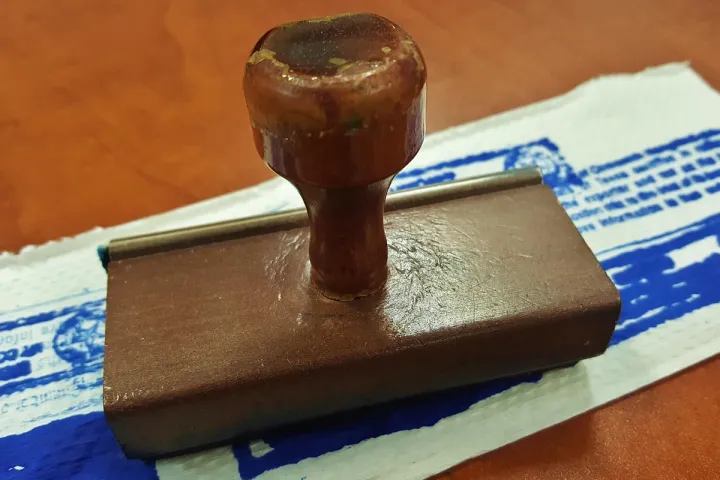
Lumber Grade Stamps Explained for Beginners
Lumber grade stamps explained: agency mark, mill number, grade, species and moisture. Why KD means 19% at the mill, and why HT is not a moisture rating.
 Author
Lumber grade stamps explained: agency mark, mill number, grade, species and moisture. Why KD means 19% at the mill, and why HT is not a moisture rating.

How to transport lumber without a truck: measure your car's diagonal, have boards cut to fit, know their weight, and check your state's overhang rule.
Pine vs poplar vs oak compared with Forest Service data: hardness, movement, weight and how each takes paint or clear finish, matched to beginner projects.
Work out how much wood to buy for a project from your cut list: actual board widths, kerf and end trim, whole lengths, and extra for a hardwood grade.
17 of 56 US hardwoods in Forest Service data are softer than longleaf pine. Softwood vs hardwood for beginners: what the label means and what to buy first.
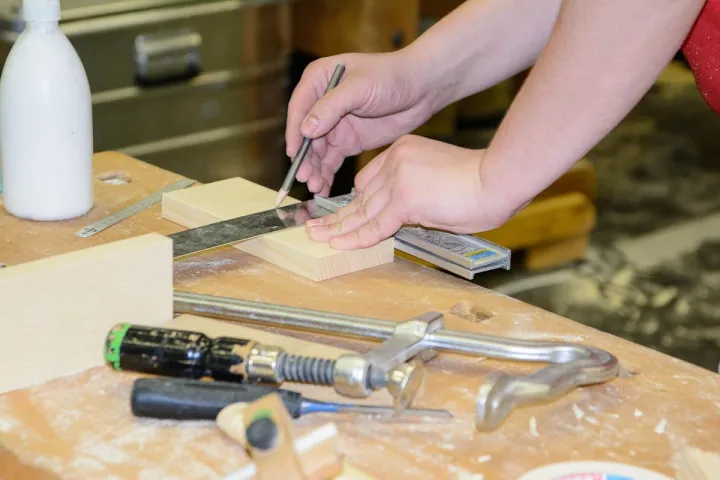
Hard maple takes about 3.8 times the force to dent as eastern white pine. The best wood for beginners with hand tools, ranked with US Forest Service data.
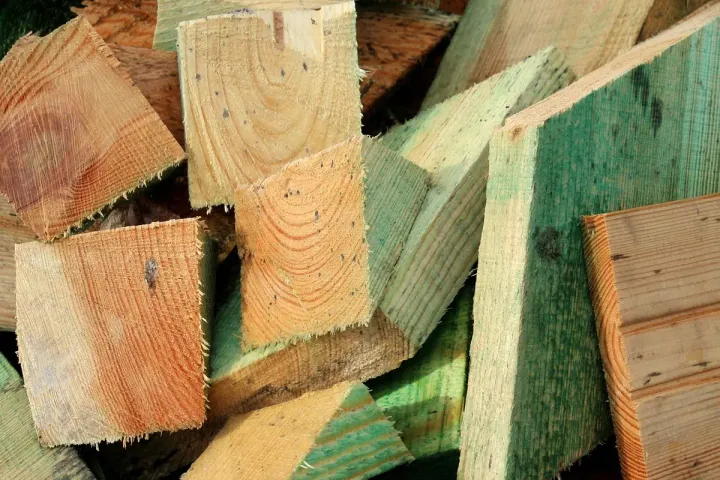
Buying two boards? Home Depot vs lumber yard for small projects, compared by what each sells: board sizes, grades, moisture, pricing units and cutting.
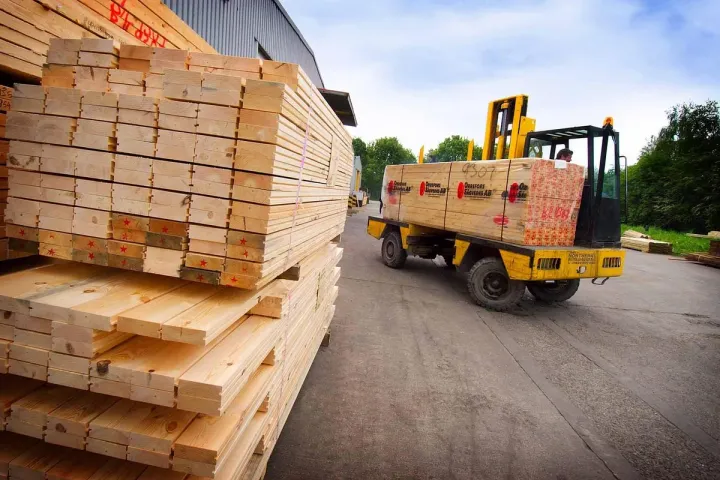
A C face on sheathing plywood can have open 1-inch knotholes; a C face on birch plywood cannot. Plywood grades explained from the two US standards.
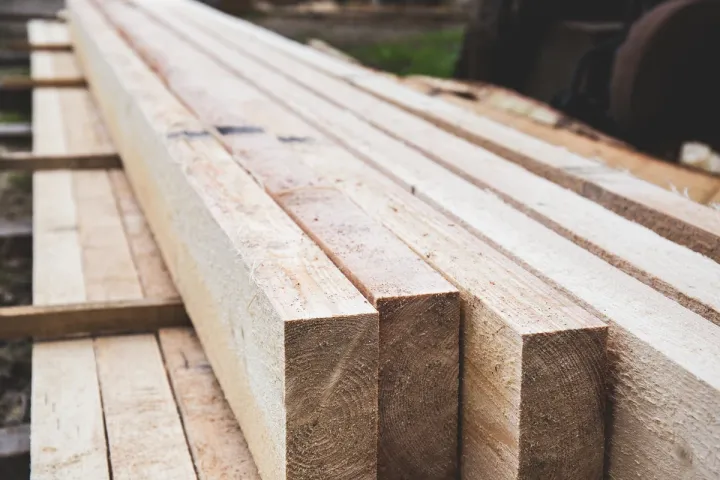
A No. 2 board can pass grade with 3/8 inch of crook. How to tell if lumber is warped in the aisle: four shapes, a coin gauge and a two-minute check.