Minimal Tool Kit
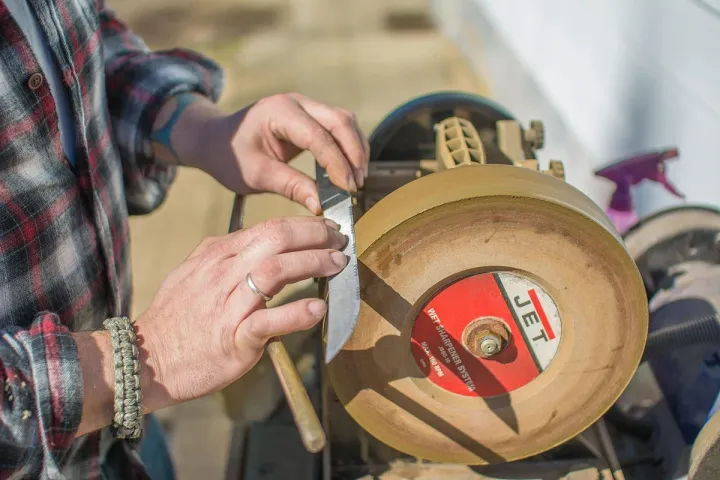
How to Sharpen Woodworking Tools as a Beginner
Flatten the back, set the bevel, raise a burr, remove it. The sharpening method for chisels and plane blades at a kitchen table, no grinder needed.
Flatten the back, set the bevel, raise a burr, remove it. The sharpening method for chisels and plane blades at a kitchen table, no grinder needed.

Which woodworking tools are safe bets secondhand, which to buy new, how to inspect each type, and the recall check most buyers skip.
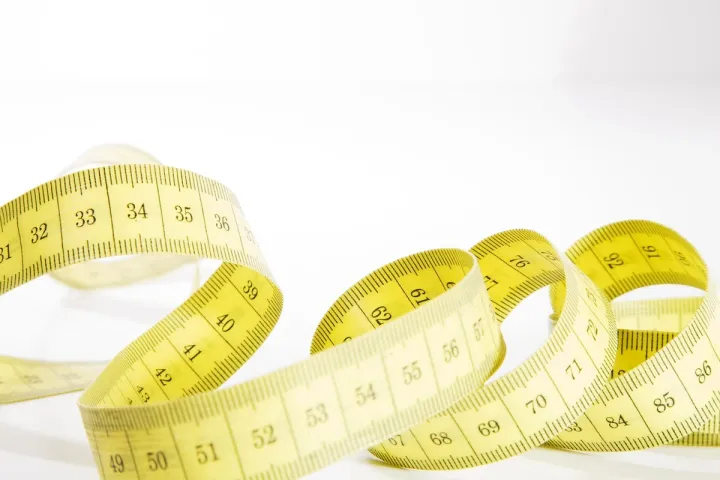
Your accuracy is decided before the saw touches the wood. Line width, tape tolerance classes, square checks and the transfer habit that beats measuring.
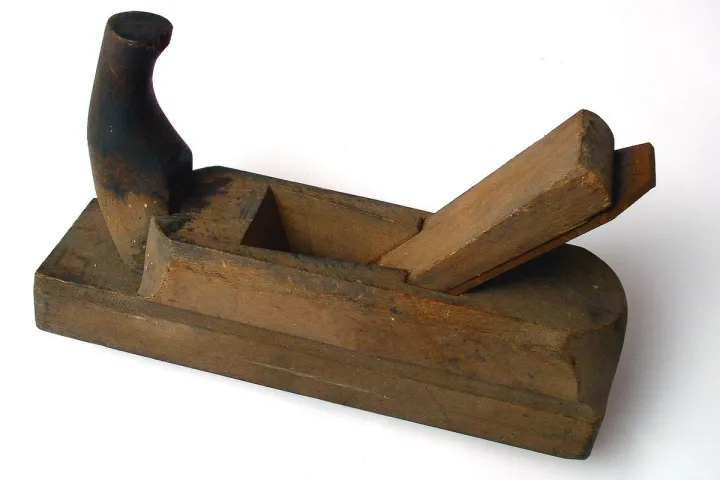
What plane numbers mean, why sole length is the real specification, and the honest test for whether a beginner in a small home needs a plane at all.
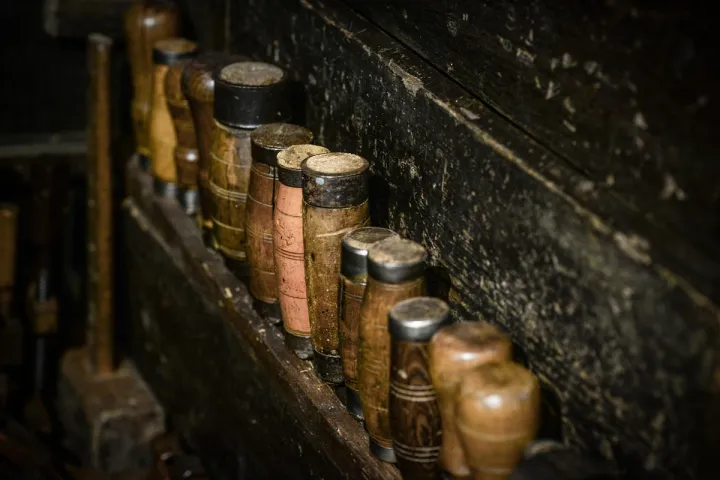
Steel, hardness, widths, handle construction and the sharpening cost nobody puts in the price. How to judge chisels for yourself, with no picks.
Ryoba, dozuki or kataba, and the specifications that actually decide: blade length, tooth pitch, kerf, and whether the blade can be sharpened at all.
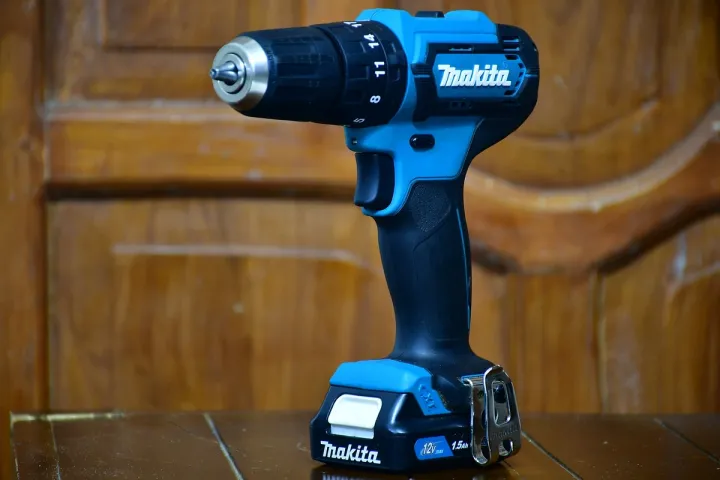
The voltage on the box is a marketing unit, not a power rating. What chuck size, clutch, gearbox and battery platform actually change for a beginner.
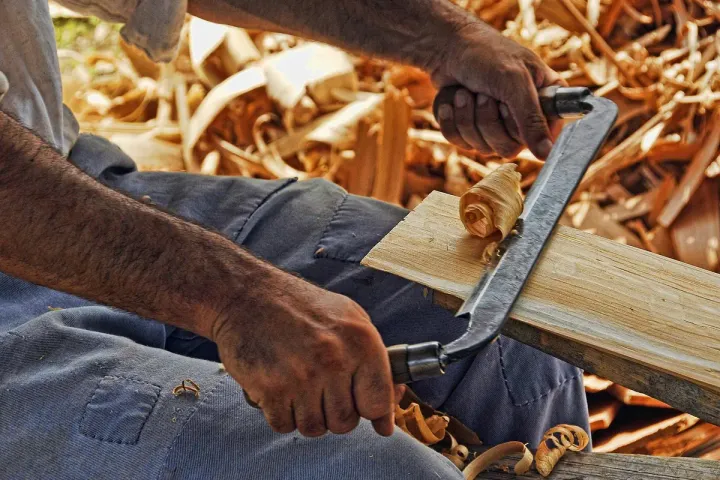
A starter kit defined by four operations rather than a shopping list, with the specifications and in-store checks that separate usable tools from junk.
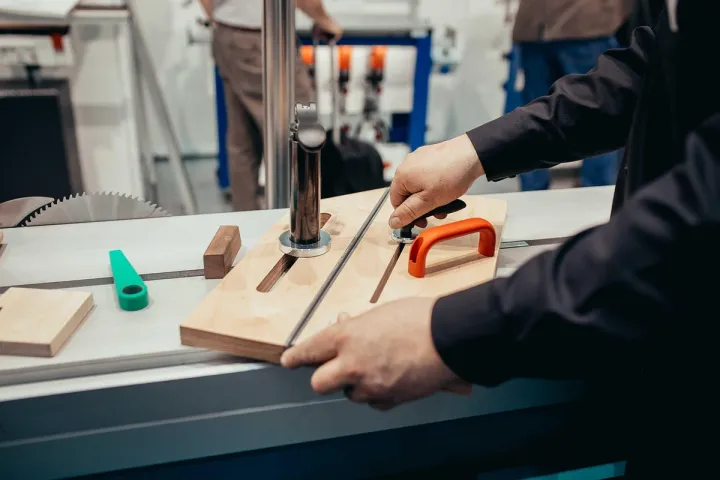
The usual answer is cost and portability. The one that matters more is how each saw fails, how it is guarded, and which cut you feed by hand.