Best Safety Glasses & Hearing Protection for Woodworking
Best safety glasses and hearing protection for woodworking, explained plainly: what the ANSI and NIOSH ratings mean and what you actually need first.

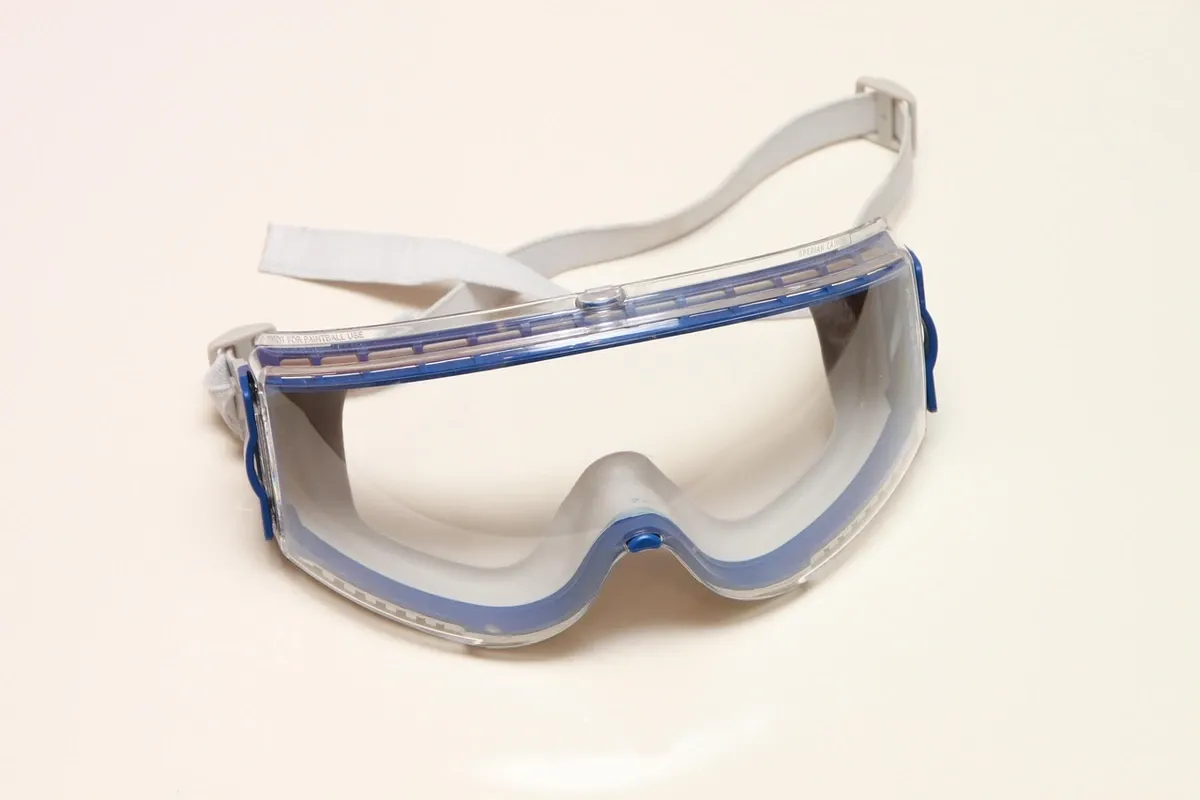
The best safety glasses, hearing protection, and dust protection for woodworking are simply the ones you will wear every single time the tool is running. For your eyes, that means glasses marked ANSI Z87+ on both the frame and the lens. For your ears, it means muffs or plugs with a real Noise Reduction Rating, because most shop tools run past the level NIOSH calls hazardous. For your lungs, it means at least an N95 respirator when you sand. Everything else is comfort and fit, and comfort is not a luxury here. Gear that hurts comes off, and gear that is off protects nothing.
That is the whole answer. The rest of this guide explains why each rating matters, what the cheap gear genuinely cannot do, and how to make glasses, muffs, and a mask work together instead of fighting each other on your face.
Start with the hazard, not the product
Most buying guides sort protection by price. That is backward. Sort it by which part of you is at risk, because the three hazards are not equally urgent and they are not equally obvious.
| Hazard | Where it comes from | Baseline gear | What to look for |
|---|---|---|---|
| Flying debris (eyes) | Table saw, router, drill, brad nailer, kickback | Wraparound safety glasses | ANSI Z87+ on frame and lens |
| Noise (ears) | Table saw, router, planer, shop vacuum | Earmuffs or foam plugs | A published NRR; the NIOSH 85 dBA limit |
| Fine dust (lungs) | Sanding, cutting MDF, dense hardwoods | N95 or better respirator | The NIOSH N95 rating |
Here is the part nobody selling gear leads with. The eye risk feels the scariest because it is instant and dramatic, so it is the one beginners actually respect. The noise and the dust are the ones that quietly do permanent, cumulative damage over years, and they are the two most people skip. The gear that matters most is often the gear that feels least urgent in the moment.
If you are still deciding what tools to buy at all, it is worth reading which woodworking tools you don't need as a beginner before you spend on protection for machines you will not use. Less machinery means less noise and less airborne dust to manage in the first place.
Eye protection: what the Z87 marking actually means
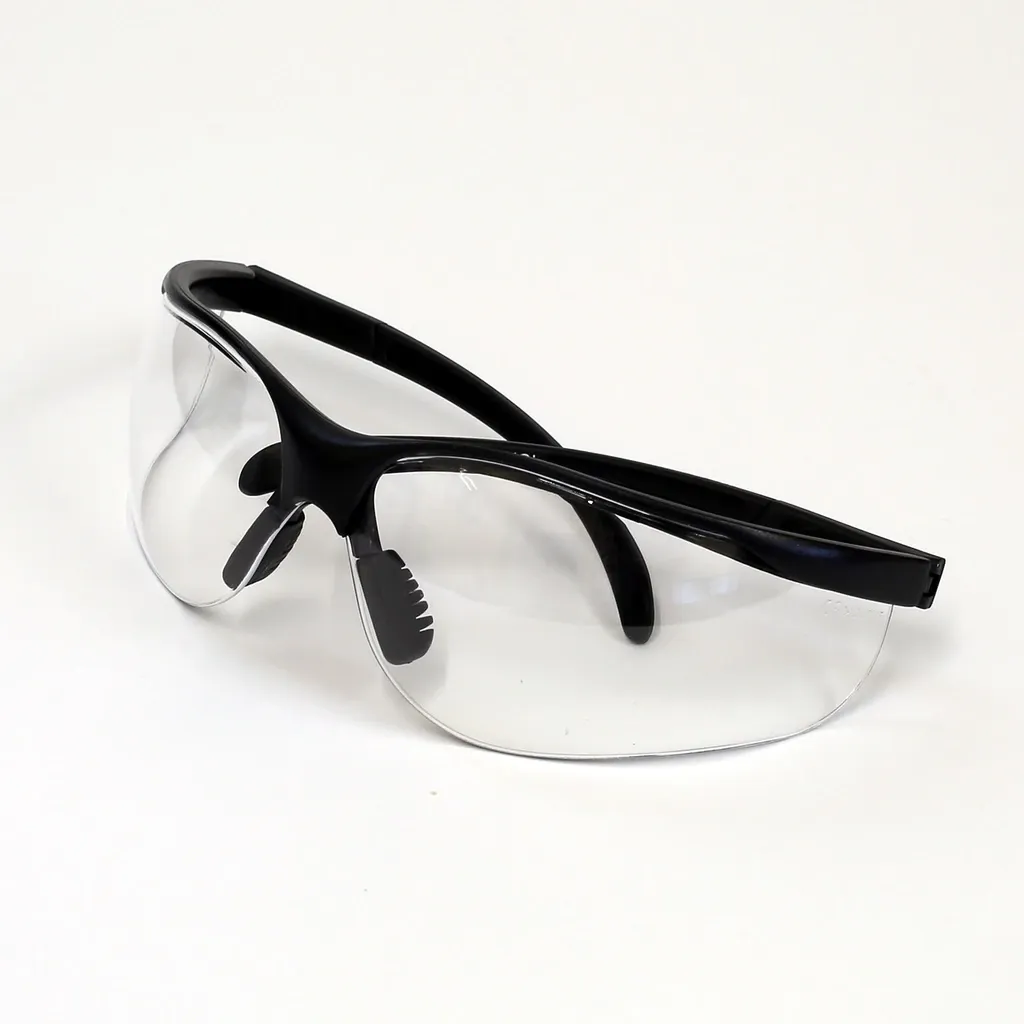
Safety glasses are cheap insurance against the one injury that ends a hobby in a second. A brad nailer that jams, a knot that lets go on a table saw, a chuck key left in a drill, any of these can throw something at your face faster than you can blink.
The standard that matters in the United States is ANSI/ISEA Z87.1, published by the American National Standards Institute and the International Safety Equipment Association. OSHA does not write its own eyewear test. Under 29 CFR 1910.133 it references ANSI Z87.1 as the accepted benchmark for eye protection, according to the OSHA and ANSI references reviewed on September 12, 2026.
Two markings decide everything:
- Z87 means the lens passed a basic impact test, where a steel ball is dropped onto it from around 50 inches. The lens and frame must survive without cracking.
- Z87+ means it also passed a high-velocity test, where a quarter-inch steel ball is fired at the lens. This is the one you want for woodworking, because saws, routers, and fasteners throw high-velocity particles.
One detail that trips people up: both the frame and the lens have to carry the Z87+ mark. A Z87+ lens in a plain Z87 frame does not count as high-impact eyewear. There is also a D5 marking for fine-dust goggles with no ventilation, which is worth knowing about if you sand a lot and want tighter dust exclusion around the eyes.
What changes as you spend more is not the safety floor, it is comfort and clarity. Budget Z87+ glasses protect exactly as well as premium ones on the drop and velocity tests. What premium pairs buy you is anti-fog coating that actually lasts, scratch resistance so the lens stays clear after a month in a dusty space, thinner temple arms, and a wraparound shape that seals better against side entry. A cheap pair that fogs on your first cut and gets pushed up onto your forehead is worse than useless. Honesty check: the glasses do not have to be expensive, but they do have to stay on your face and stay clear.
Hearing protection: the damage you cannot feel happening
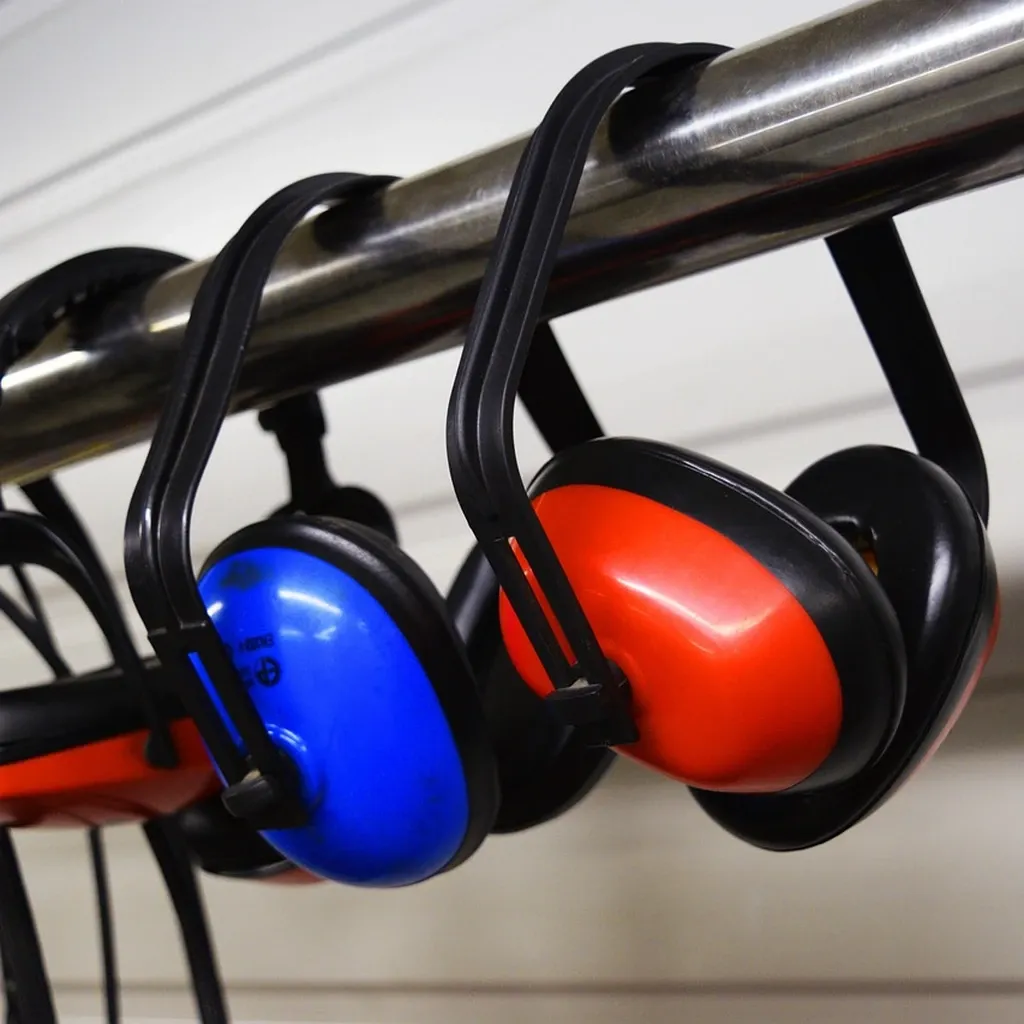
This is the section most woodworkers underrate, so here are the numbers plainly.
NIOSH, the National Institute for Occupational Safety and Health, sets a recommended exposure limit of 85 decibels A-weighted as an 8-hour average (85 dBA), and it calls exposure at or above that level hazardous. This is stated in the NIOSH Criteria for a Recommended Standard on occupational noise, reviewed September 12, 2026. NIOSH also uses a 3 dB exchange rate, meaning every 3 dBA increase doubles the sound energy and halves the safe exposure time. At 100 dBA, NIOSH recommends less than 15 minutes of unprotected exposure per day.
OSHA, the legal floor for workplaces, sets a higher permissible exposure limit of 90 dBA over 8 hours and requires a hearing conservation program starting at 85 dBA, under 29 CFR 1910.95, as its occupational noise page states, reviewed September 12, 2026. NIOSH is the stricter, health-protective benchmark; OSHA is the enforced minimum.
Why this matters in a small shop: common woodworking tools run loud. Table saws, routers, planers, and shop vacuums are routinely cited above 90 dBA, and some push past 100 dBA. Under the NIOSH math, that means your safe unprotected window can drop from hours to minutes. The damage is not painful and it is not reversible. You do not feel it happening, you just notice years later that you keep asking people to repeat themselves.
When you shop, the number to read is the Noise Reduction Rating (NRR), printed on the package. Treat it as a ceiling, not a promise. The NRR is measured in a laboratory with a perfect seal, and real-world protection is typically lower because muffs shift, plugs are rolled and inserted badly, and glasses break the seal (more on that below). A higher NRR gives you more margin for imperfect fit, which is exactly why margin is worth paying for.
Muffs or plugs is mostly a fit-and-habit question. Foam earplugs achieve high attenuation and cost almost nothing, but only if you roll and insert them correctly and let them expand. Earmuffs are faster to put on and take off, which in practice means you actually wear them for a two-minute cut. Some woodworkers prefer electronic muffs that amplify quiet sound and clamp down on loud noise, so you can still hear a conversation between cuts. That is comfort, not extra safety, but comfort is what keeps them on your head.
If you work in an apartment, hearing protection and neighbor noise are two different problems that people conflate. Muffs protect your ears; they do nothing for the person on the other side of the wall. For that side of it, see the separate guide on how to reduce woodworking noise for apartment neighbors, which is about containing sound in the room, not blocking it at your ears.
The third hazard nobody puts on the list: your lungs
Eye and ear protection get all the attention, but fine wood dust is a recognized respiratory hazard, and sanding is where you generate the most of it. The finest particles are the ones that stay airborne longest and travel deepest into your lungs, and they are invisible in normal light. Dense hardwoods and engineered sheet goods like MDF are worse than soft pine.
The baseline here is a NIOSH-rated N95 respirator, which by the NIOSH standard filters at least 95 percent of airborne particles. A loose paper "dust mask" with no NIOSH rating and no seal is not the same thing. For heavy or frequent sanding, a P100 filter or a half-face respirator with replaceable cartridges seals better and lasts longer. As with the other two, the rating only counts if the mask seals to your face, which is why beards and cheap masks are a bad combination.
In a small space, dust control is not only about the mask. Capturing dust at the source and keeping it out of your living air matters just as much, and the practical methods for that are in the guide on how to contain sawdust in a small apartment safely.
How to choose safety glasses and hearing protection for woodworking that work together
Here is the information most single-product reviews miss, because they test each item alone. On your face, the three pieces of gear compete for the same real estate, and the losers are protection and comfort.
The classic conflict is glasses and earmuffs. Thick temple arms on safety glasses break the cushion seal of an earmuff, which lowers the real attenuation you get from that NRR, and the muff then presses the arms into the sides of your head and gives you a headache within the hour. The fix is thin, flexible temple arms. This is the one place where a slimmer premium pair of safety glasses genuinely improves the whole system, not just the glasses.
A practical stacking order that works for most people:
- Glasses first, chosen with the thinnest arms you can find, so they sit flat against your head.
- Muffs over the glasses, seated so the cushion still seals around the thin arm. If you feel a gap, you have lost NRR.
- Respirator last, checked so its straps and the muffs are not fighting for the same spot behind your ears.
If you wear prescription glasses, an over-the-glasses (OTG) safety goggle that fits over your everyday frames often seals better than trying to stack two pairs of glasses, and it is cheaper than prescription safety lenses. Test any combination on a quiet task before you rely on it during a real cut, because the time to discover the muffs push your glasses into your nose is not while a blade is spinning.
There is also a quieter path worth naming. Hand tools generate far less noise and far less airborne dust than power tools, so a session with a saw and a chisel needs the eye protection but may not need muffs at all. If you are leaning that way, a sensible hand tool starter kit for beginners lets you build with a fraction of the protective gear a machine-first shop requires.
What this gear cannot do
Honesty section, because every buying guide should have one.
Safety glasses stop particles and impact. They do not stop fine dust from reaching your eyes during long sanding sessions unless they have a foam seal or you step up to sealed D5 goggles. They are not face shields either; for lathe work or anything that can throw a large object, a full face shield goes over the glasses, not instead of them.
Hearing protection reduces noise, it does not silence it, and the NRR on the box is a best-case laboratory figure you will rarely match in practice. No muff undoes damage already done, and it does nothing for your neighbors.
A respirator filters the air you breathe. It does not clean the air in the room, so the dust settles on every surface and gets kicked up again next time. And no mask seals over a beard.
The honest summary: none of this gear makes an unsafe cut safe. It reduces the cost of the mistakes that still happen. Technique, sharp tools, and not rushing do the primary work; the gear is the backup.
FAQ
Do I really need Z87+ glasses, or will any safety glasses do? For woodworking, look for Z87+ on both the frame and the lens. Plain Z87 passes only a low-speed drop test, while Z87+ passes the high-velocity test that matches what saws, routers, and nailers actually throw.
What NRR do I need for a table saw? There is no single required number, because the NRR on the box is a laboratory figure and real-world protection is lower. Since table saws are commonly cited above 90 dBA and NIOSH calls anything at or above 85 dBA hazardous, choose a higher NRR to leave margin for imperfect fit, and always wear something rather than nothing.
Are earplugs or earmuffs better for woodworking? Both can protect well. Foam plugs cost the least and attenuate strongly if inserted correctly, while muffs are faster to put on for a quick cut, which usually means you actually wear them. The best one is the one you will keep on.
Can I skip the dust mask if the room is ventilated? Ventilation helps but does not replace a mask during sanding, when you generate the most fine, deep-reaching dust. A NIOSH-rated N95 filters at least 95 percent of airborne particles at your face; open windows do not.
Why do my safety glasses give me a headache under earmuffs? Thick temple arms break the earmuff seal and force the muff to clamp on the arms. Switch to safety glasses with thin, flexible arms, which restores the seal and removes the pressure point.