Beeswax Finish for Wood Furniture: Is It Durable?
Is a beeswax finish for wood furniture durable enough? Where wax and natural oils hold up, where they fail, and what to use on tables and desks instead.

Short answer: a beeswax finish for wood furniture is durable enough for pieces that are handled lightly, such as a bookshelf, a picture frame, a plant stand kept dry, or decorative items. It is not durable enough on its own for surfaces that take daily wear, spills and heat, such as a dining table, desk or kitchen surface. Wax is soft and needs regular reapplication. Natural oil finishes sit in between: better than wax alone, less protective than a film finish like polyurethane. Wax works best as a top layer over a harder finish, not as the only protection.
That is not just a woodworker's opinion. Minwax describes its Paste Finishing Wax (read on October 2, 2026) as suited to "furniture, antiques, woodwork, cabinets, doors, paneling and accessories that do not need a hard protective coat of polyurethane," and it is applied over already finished wood. A wax maker telling you where wax is not enough is the clearest signal you will get.
What "durable" means for a furniture finish
A finish can fail in several different ways, and wax and oil hold up differently against each. Before choosing, think about what the piece will actually face.
| Threat | What it looks like | How wax alone handles it | How a natural oil finish handles it |
|---|---|---|---|
| Light handling and dusting | Dull spots, fingerprints | Reasonably well, and it is easy to refresh | Reasonably well |
| Scratches and scuffs | Fine lines, worn patches | Poorly; wax is soft | Better than wax, but no hard film on top |
| Water spills and wet glasses | White rings, raised grain, dark spots | Poorly unless wiped up promptly | Some resistance; less than a film finish |
| Heat (mugs, dishes) | Marks, softened wax | Poorly; wax softens with heat | Better than wax; still use coasters |
| Daily wear (elbows, keyboards, plates) | Bare-looking wood in use zones | Wears through; needs frequent reapplication | Wears; needs periodic recoating |
The pattern is consistent: wax is a sheen and a feel more than a shield. Oil adds protection inside the surface but does not build the hard layer that stops scratches, heat and standing water the way a film finish does.
Beeswax finish for wood furniture: where it works
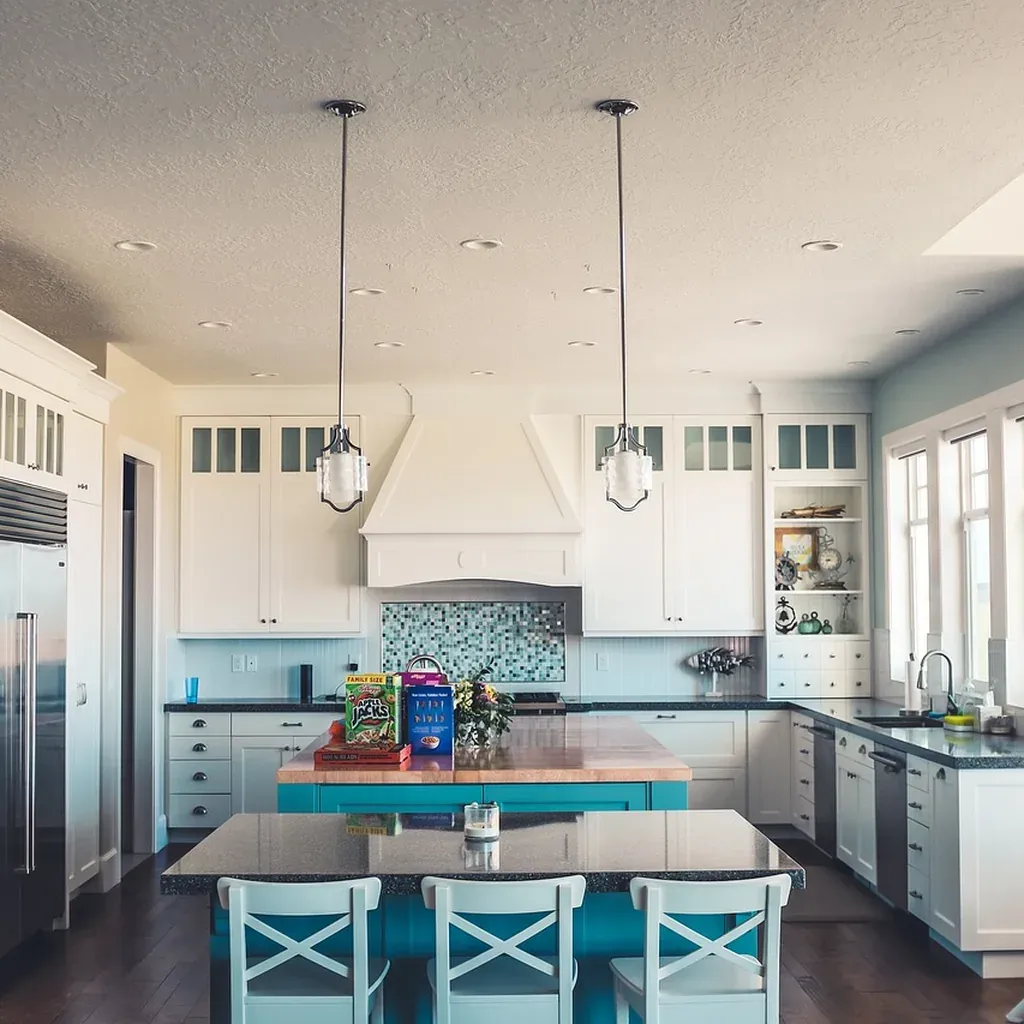
Wax suits furniture where looks and touch matter more than abuse resistance:
- Bookshelves and display shelves. Books and objects rest on them; nothing much rubs or spills. Our guide to building a DIY bookshelf for a small space is a good example of a piece where a soft finish is a reasonable trade.
- Picture frames, boxes and small decorative pieces. Handled occasionally, rarely wet.
- A topcoat over an existing hard finish. Here the wax adds sheen and a smooth feel while the finish underneath does the protecting. This is how Minwax's paste wax is meant to be used.
- Pieces you are happy to maintain. If you enjoy rewaxing and buffing every so often, wax rewards it. If you never will, choose something that does not depend on maintenance.
Where it falls short: a plant stand that sits under a watered pot, a desk you work at daily, a dining or coffee table, anything in a kitchen or bathroom, and anything a child will use as a drawing surface. For a stand that will hold plants, see the finish notes in our DIY plant stand guide and plan for a saucer and a tougher finish on the top.
Natural oil finishes: the middle ground
Oil finishes soak into the wood and harden there as they cure, rather than sitting on top as a thick layer. The result looks and feels close to bare wood, which is why people choose them. They also repair easily: you clean the surface and wipe on another coat, with no sanding through a film.
Minwax's Tung Oil Finish product page (read on October 2, 2026) shows the typical routine: two recommended coats, a 24-hour recoat time, and the note that it can be "periodically refreshed by simply applying another coat." The page describes it as creating "a remarkably durable, hand-rubbed luster." Treat a maker's own durability wording as a description, not a measured comparison; it does not tell you how it compares with polyurethane on a dining table.
The honest summary: oil is a step up from wax alone and a good choice for furniture that sees moderate use and gets basic care, such as nightstands, side tables used with coasters, and shelves. For heavy daily use, it still needs more maintenance than a film finish, and spills should be wiped up rather than left.
"Natural" does not always mean low-fume
One reason people choose wax and oil in an apartment is to avoid the smell of polyurethane. That works only if you read the label, because "wax" and "oil" on the front of a can say nothing about what keeps it soft and spreadable.
Minwax's Paste Finishing Wax label, for example, says "VAPOR HARMFUL," that the product "contains solvents which can cause permanent brain and nervous system damage," and that "contents are FLAMMABLE." It also carries the instruction to "use only with adequate ventilation." Solid beeswax has to be softened somehow to spread, and many wax and oil products do that with solvents.
What to check on any wax or oil product before using it indoors:
- The ingredients or hazard section. Look for solvents, flammability warnings and ventilation instructions.
- Whether the label warns about soaked rags. Many oil finishes cure by reacting with air, and labels on oil-based finishing products often warn that soaked rags can catch fire on their own. If yours does, follow its disposal instructions exactly.
- Cure time. Oils can keep giving off odor while they cure, so a quick-drying surface is not the same as a finished one.
If you want a low-odor result in a small space, a product with a short ingredient list and no solvent warnings is the starting point, but the label decides, not the word "natural."
Which finish for which piece
| Piece | Reasonable choice | Why |
|---|---|---|
| Picture frame, decorative box | Wax, or oil plus wax | Light handling; appearance matters most |
| Bookshelf, wall shelf | Oil, or oil plus wax | Little wear; easy to refresh |
| Nightstand, side table | Oil with coasters, or a film finish | Occasional cups and handling |
| Plant stand | A film finish on the top, plus a saucer | Repeated water exposure |
| Desk, dining or coffee table | A film finish such as polyurethane | Daily wear, heat and spills |
| Anything that touches food | A product whose label says it is suitable for food contact | Food safety is the label's claim to make, not ours |
For food-contact pieces specifically, see our guide to making a wooden cutting board, which covers how to judge finishes for that use.
How to apply a wax finish so it lasts as long as it can
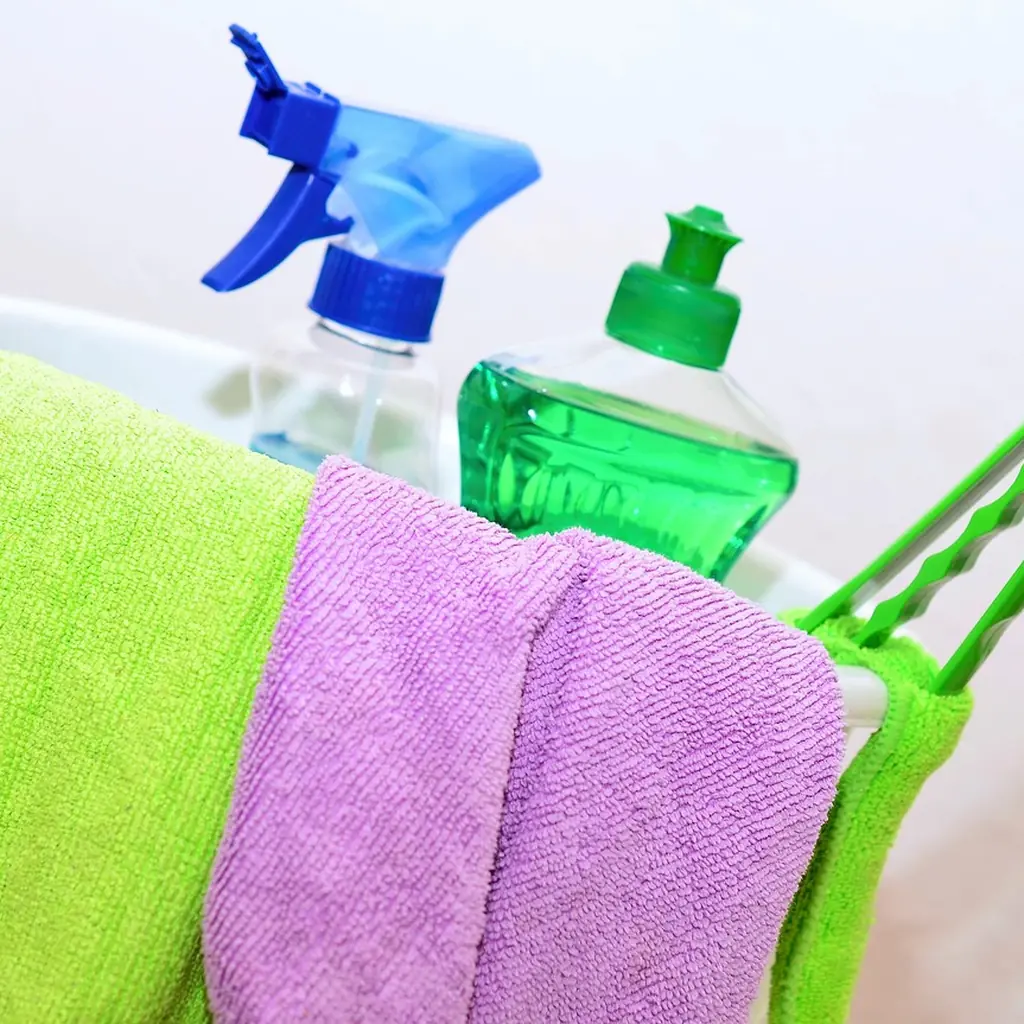
A soft finish still benefits from good application. Minwax's paste wax directions give a useful pattern:
- Start with a clean surface. The label says surfaces must be "free from dust, dirt, grease etc."
- Apply a thin, even coat with a clean cloth. Thick coats do not add protection; they smear and stay tacky.
- Let it dry, which that label gives as 10 to 15 minutes.
- Buff with a clean cloth until the surface feels smooth rather than greasy.
- Apply a second coat; two coats are recommended.
Then plan for upkeep. Wax wears away with use, so treat reapplication as part of owning the piece. When water drops stop beading or the surface looks dull in use areas, it is time to rewax.
What choosing wax or oil costs you
Being straight about the trade-offs:
- Less protection. Neither wax nor oil stops scratches, heat and standing water as well as a film finish.
- Ongoing maintenance. The low-effort application comes with repeated application over the life of the piece.
- A harder switch later. Most film finishes need wax removed before they will stick properly, so starting with wax and changing your mind means extra cleanup work.
- What you gain: a natural look and feel, easy spot repairs, and, with the right product, less odor during application in a small space.
If a piece will see daily use and you still want the look of oil or wax, the practical compromise is a durable finish underneath and a thin wax layer on top for feel.
FAQ
Is beeswax a good finish for a dining table?
Not on its own. A dining table faces daily heat, spills and wear, and wax is soft and needs frequent reapplication. Use a harder finish such as polyurethane and add wax on top only if you want the feel.
How often do you need to reapply a beeswax finish?
It depends on use. Pieces that are handled often need rewaxing more often than display pieces. Reapply when the surface looks dull or water stops beading in the areas you use most.
Can you put beeswax over polyurethane?
Yes, wax is commonly used over a cured hard finish for sheen and feel. Minwax's paste wax is intended for finished wood. Make sure the finish underneath has fully cured according to its label first.
Is oil or wax more durable?
A cured oil finish generally gives more protection than wax alone, because it hardens within the surface of the wood. Neither matches a film finish like polyurethane for scratch, heat and water resistance.
Is a beeswax finish low-odor?
Not automatically. Many wax and oil products contain solvents to make them spreadable. Read the label for solvent, flammability and ventilation warnings before using any of them indoors.