Softwood vs Hardwood for Beginners: What to Buy First
17 of 56 US hardwoods in Forest Service data are softer than longleaf pine. Softwood vs hardwood for beginners: what the label means and what to buy first.

Short answer: if you are weighing softwood vs hardwood for beginners, buy softwood first in most cases: clear pine or another soft, even-textured softwood is cheap to practice on, easy to cut by hand and sold ready to use. But do not shop by the label alone. "Softwood" and "hardwood" are botanical groups, not hardness ratings. In the US Forest Service's Wood Handbook data, 17 of the 56 US hardwoods with a hardness figure are softer than longleaf pine, a softwood. What really differs for a beginner is how the two are sold: sizes, surfacing, moisture and how they are graded.
What do softwood and hardwood actually mean?
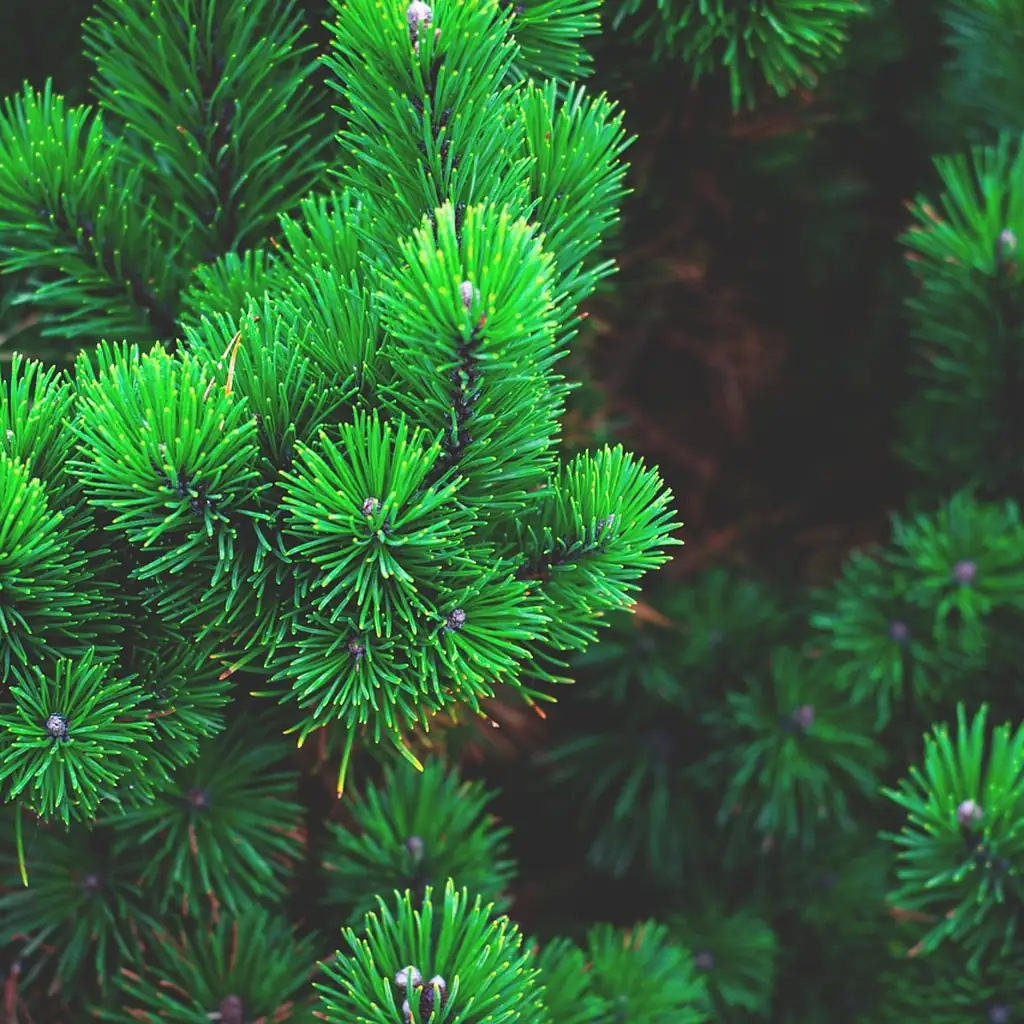
The Wood Handbook, Chapter 3 (USDA Forest Products Laboratory, 2021) opens the topic with a warning: "not all softwoods have soft, lightweight wood, nor do all hardwoods have hard, heavy wood." Botanically, "softwoods are those woods that come from gymnosperms (mostly conifers), and hardwoods are woods that come from angiosperms (flowering plants)."
In everyday terms, softwoods are mostly needle-leaved evergreens such as pine, spruce and fir. Hardwoods are mostly broadleaf trees such as maple, birch and oak. The name tells you which kind of tree the board came from. It does not tell you how hard the board is.
Softwood vs hardwood for beginners: how much do they overlap?
We went through every US species in the Handbook's Table 5-3b that has a side hardness value at 12% moisture. Side hardness is the load needed to press a 0.444-inch steel ball halfway into the wood. Our count:
| Number of species with a value | Softest | Hardest | Median | |
|---|---|---|---|---|
| US hardwoods | 56 | 350 lbf (quaking aspen, black cottonwood) | 2,140 lbf (pignut hickory) | 1,185 lbf |
| US softwoods | 42 | 320 lbf (northern white-cedar) | 870 lbf (longleaf pine) | 505 lbf |
So hardwoods are harder on average: the hardwood median (1,185 lbf) is a little over twice the softwood median (505 lbf). But the ranges overlap. These hardwoods are all softer than longleaf pine in the same table:
| Hardwood | Side hardness (lbf) |
|---|---|
| Quaking aspen, black cottonwood | 350 |
| American basswood | 410 |
| Eastern cottonwood | 430 |
| Butternut | 490 |
| Yellow-poplar, American chestnut | 540 |
| Red alder | 590 |
| Silver maple, cucumbertree | 700 |
| American sycamore | 770 |
| Black tupelo | 810 |
| American elm | 830 |
| Black ash, bigleaf maple, sweetgum | 850 |
| Slippery elm | 860 |
And several softwoods sit well above the softest hardwoods: coast Douglas-fir is 710 lbf, loblolly and shortleaf pine 690, western larch 830. Yellow-poplar, a hardwood, is 540 lbf: softer than any of those.
What actually changes when you buy one or the other
For a beginner the practical differences are less about the tree and more about how each kind of lumber reaches the shelf. These come from the Handbook's Chapter 6 and Chapter 13:
| Softwood boards (yard lumber) | Hardwood lumber | |
|---|---|---|
| How grade is decided | "specifically related to the construction uses intended" | By "the proportion of a piece that can be cut into" clear pieces |
| Sizes | Standard dressed sizes (a dry 1x6 is 3/4 by 5-1/2 inches) | Usually random widths, lengths 4 to 16 feet |
| Surface | Dressed to size; Select grades include S4S | Rough or surfaced two sides |
| Moisture | "Dry" means 19% or less | Furniture and cabinet stock usually dried to 6 to 8% |
Two things follow for a beginner without a workshop:
- Softwood boards are ready to use. They come dressed to standard sizes, so you can measure, cut and assemble without a planer. Hardwood is often sold rough or surfaced on only two sides, so ask for boards surfaced four sides if you have no planer.
- Hardwood for furniture usually arrives drier. A softwood board stamped "dry" can still be at up to 19% moisture and has more shrinking to do indoors, where the Handbook recommends about 8% for furniture in most of the US.
Which should a beginner buy first?
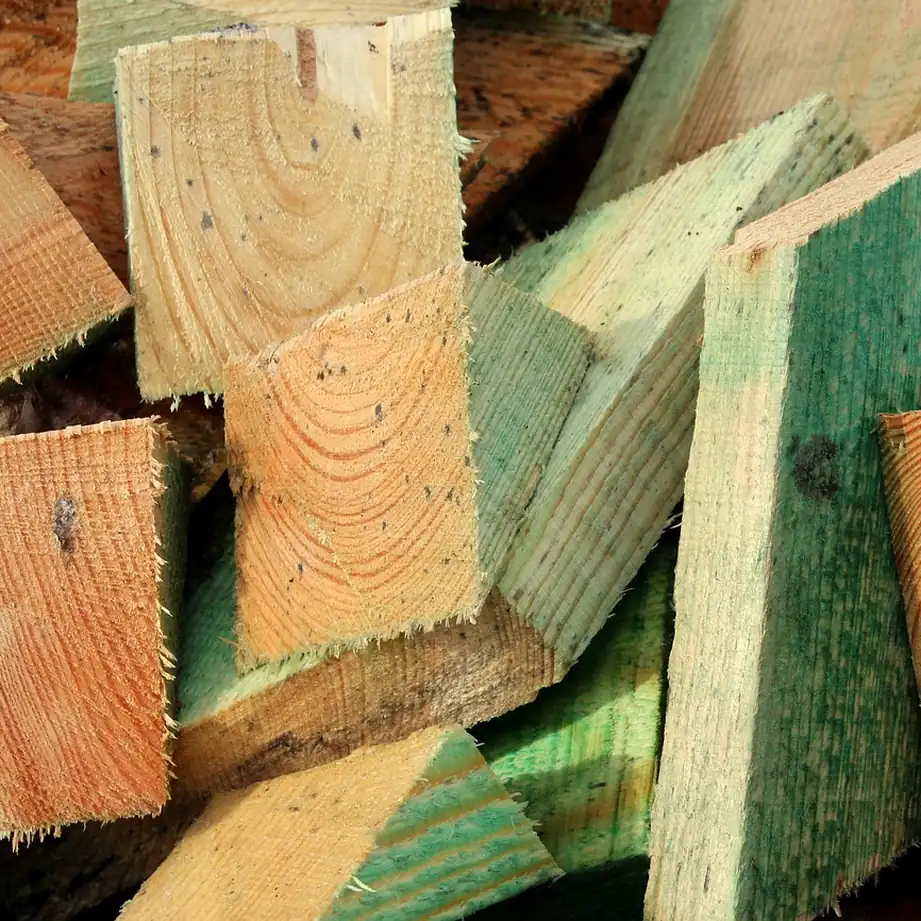
This is our recommendation, built from the differences above:
| Your first project | Buy | Why |
|---|---|---|
| Practice cuts and joints | Clear softwood (eastern white pine, sugar pine, spruce, fir) | Soft, cheap, sold ready to use |
| Painted shelf, box or organizer | Pine or yellow-poplar | Poplar is a hardwood at 540 lbf, still easy to cut, dents less than eastern white pine at 380 lbf |
| Something handled every day (a stool, a tabletop) | A harder hardwood such as soft maple, cherry or oak | More dent resistance where it matters |
| Natural-finish piece you want to keep | Cherry, walnut or soft maple, once your tools stay sharp | Look and durability; more effort by hand |
| A construction 2x4 for practice | Check the species on the stamp first | Loblolly and shortleaf pine (690 lbf), coast Douglas-fir (710) and longleaf pine (870) are softwoods harder than poplar |
In short: start with a soft softwood or poplar, move to a harder hardwood when the project needs it, and choose by species and hardness, not by the word on the sign. Our first weekend projects are a good place to practice on pine, and the hand tool starter kit covers the tools for either. When you step up to harder wood, keep edges sharp with the beginner sharpening guide, and use the beginner checklist before your first lumber trip.
FAQ
Is softwood or hardwood easier for beginners?
Usually softwood, because the common clear softwoods are among the softest woods in the Handbook's data and are sold ready to use. But some hardwoods, such as basswood (410 lbf) and yellow-poplar (540 lbf), are softer than several construction softwoods.
Is pine a softwood or a hardwood?
Pine is a softwood, because it comes from a conifer. Its hardness ranges widely by species: eastern white pine is 380 lbf and longleaf pine 870 lbf in the Wood Handbook's table.
Is poplar a hardwood?
Yes. Yellow-poplar comes from a flowering tree, so it is a hardwood, even though at 540 lbf it is softer than several softwoods such as Douglas-fir and southern pines.
Is hardwood always better for furniture?
Not always. Harder species resist dents better, which matters for tops and seats, but painted shelves and boxes work well in pine or poplar. Pick the species for the job and the finish.
Why is hardwood sold by the board foot?
Hardwood lumber is usually produced in random widths and graded by how much clear wood can be cut from each board, which is one reason it is usually priced by volume rather than as fixed-size pieces. Ask whether the price is figured on rough or surfaced thickness.