Biscuit Joint vs Pocket Hole: Which Should Beginners Use?
Biscuit joint vs pocket hole compared for beginners: strength, alignment, noise, dust and cost, plus whether a no-shop beginner needs either tool.

Short answer: in the biscuit joint vs pocket hole choice, pocket holes suit most beginners better, especially without a shop. A pocket hole jig works with the drill you probably already own, the screws hold the joint together while glue dries (or without glue at all), and you only drill one of the two boards. A biscuit joiner is a separate, loud, dusty power tool whose main job is keeping boards aligned during a glue-up, not adding much strength. Buy a biscuit joiner only when you regularly glue up panels or need joints with no visible holes.
That answer assumes you want to build basic furniture: shelves, boxes, frames, simple cabinets. It also assumes you work in an apartment or a shared space, where a new power tool costs you noise, dust and storage as well as money. Below is the full comparison, and the honest case for buying neither yet.
What each joint actually is
A pocket hole joint uses a jig to drill a steep, angled hole into one board so a screw can pass out through its edge and into the second board. The screw pulls the two boards tightly together. Kreg, the company most associated with the method, says in its answers to common pocket-hole questions (read on September 27, 2026) that the screw enters the joining piece at an angle, "creating a mechanical hold similar to a dowel or biscuit joint," and that a joint made with its pocket-hole screws "is so strong that glue is optional."
A biscuit joint uses a biscuit joiner (also called a plate joiner), a handheld power tool with a small circular blade that plunges into the edge or face of a board to cut a crescent-shaped slot. You cut a matching slot in both boards, put glue in the slots, insert a thin oval wafer of compressed wood (the biscuit) and clamp the joint. The biscuit absorbs moisture from the glue and swells tight in its slots. Nothing mechanical holds the joint while the glue dries, so clamps have to do that job.
Biscuit joint vs pocket hole: side-by-side comparison
| Factor | Pocket hole | Biscuit joint |
|---|---|---|
| Tool needed | Pocket hole jig plus a drill you may already own | A dedicated biscuit joiner |
| Boards you machine | One | Both |
| Main strength | Screw clamps the joint mechanically | Glue; the biscuit mainly aligns |
| Alignment of faces | Boards can shift as screws go in unless clamped | Biscuits keep faces lined up well |
| Glue required | Optional per Kreg | Yes, the joint depends on it |
| Clamp time | Screws hold the joint, so less time under clamps | Clamps stay on while glue sets |
| Visible marks | Holes on one face (hide them or plug them) | No visible holes |
| Noise and dust | Drilling noise, chips mostly contained | Loud plunge cut, fine dust thrown out |
| Can be taken apart | Yes, unscrew | No, it is glued |
| Best at | Face frames, carcasses, shelves, simple furniture | Edge-joined panels, tabletops, alignment in glue-ups |
Where pocket holes win
Speed and fewer clamps. Because the screw holds the joint, you are not waiting for glue before moving on. For someone working on a folding table who has to put everything away at the end of the evening, that matters more than any strength debate.
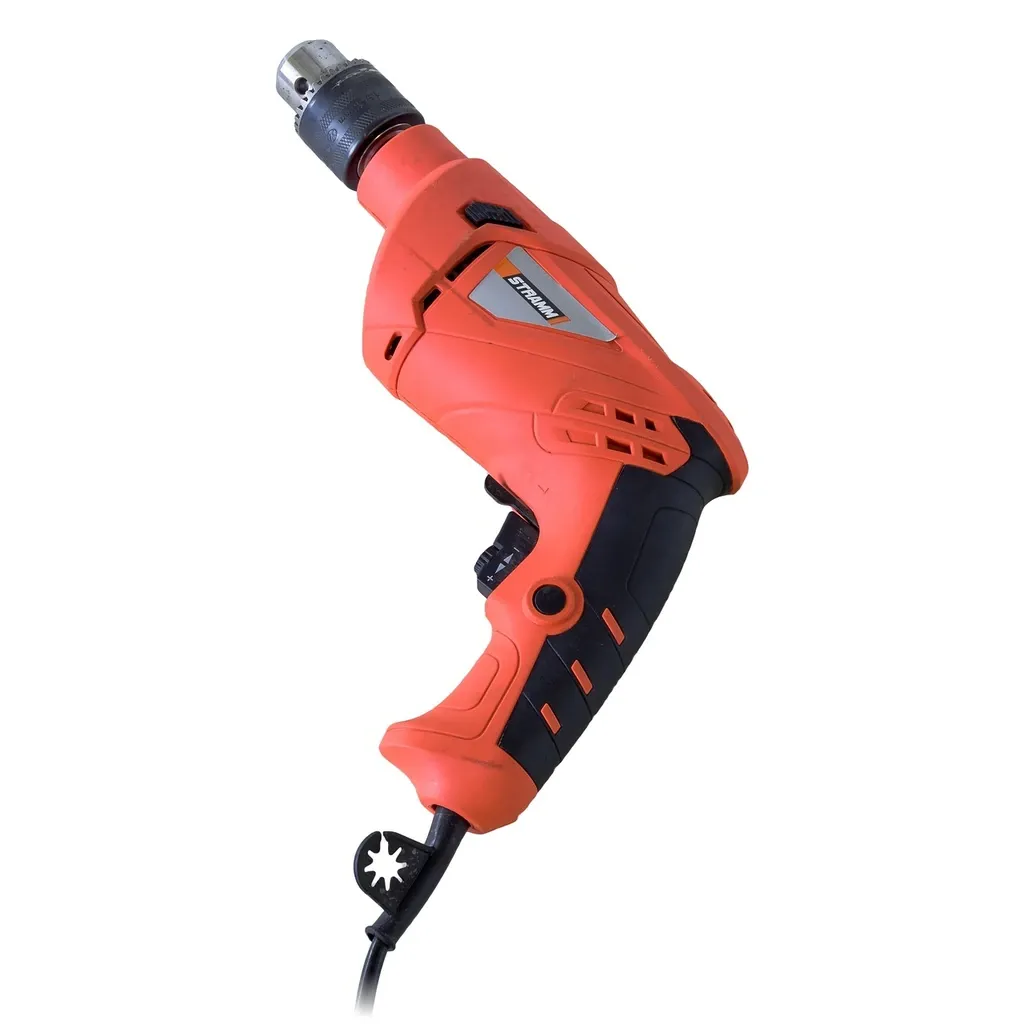
One board, one tool. You only drill one side of the joint, and the drill does the work. If you already own a drill, the jig is the only new purchase. Our cordless drill guide covers what matters in a drill for this kind of work, including a clutch you can set low so screws do not strip.
Forgiving layout. You can put a pocket screw almost anywhere along a joint, and fix a mistake by backing the screw out.
The costs. The holes show on one face, so you plan them onto the back, bottom or inside of the piece, or fill them with plugs. Boards can creep out of line as the screw pulls in, so the joint needs to be clamped flush while you drive. Kreg's own FAQ says using clamps to hold your two boards in place while you drive the screws will prevent the joint from shifting in most cases. Our guide to clamps you actually need first covers which types handle that.
Where biscuit joints win
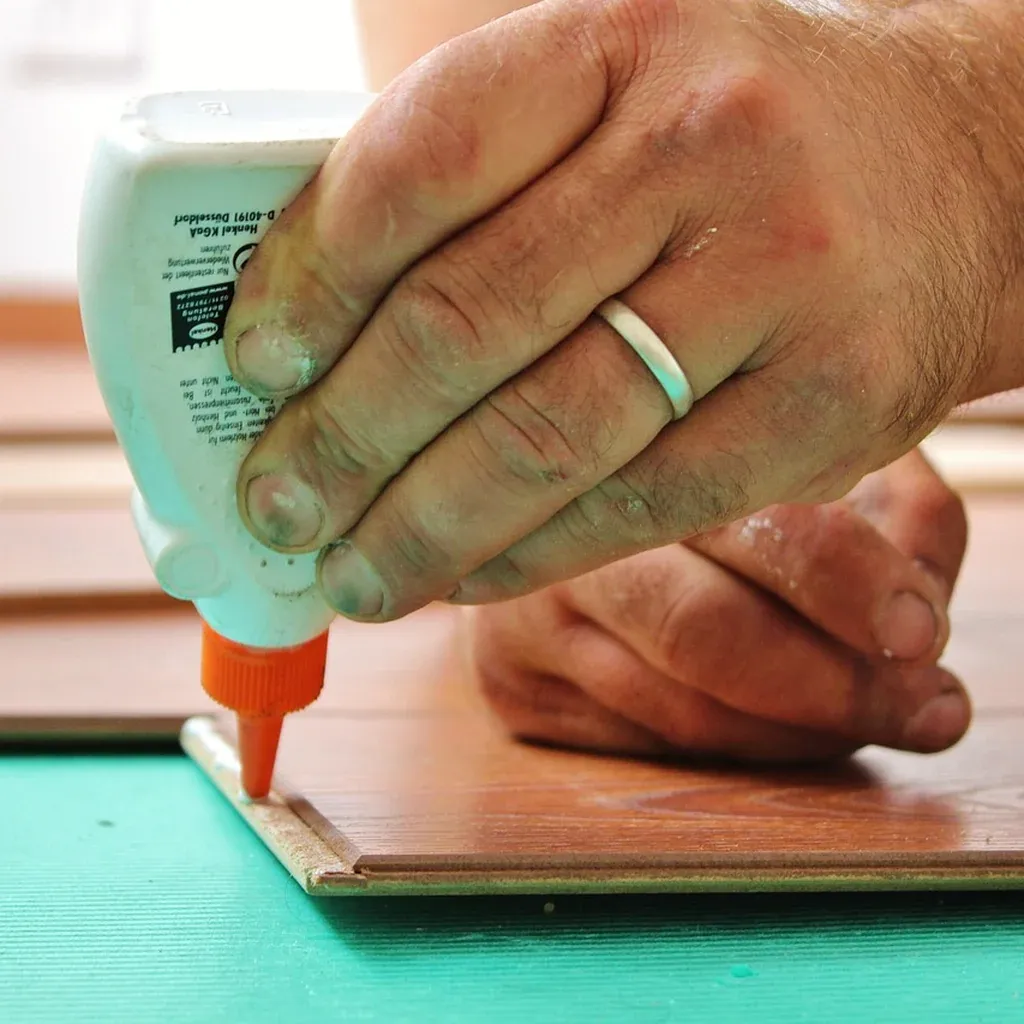
Alignment. Gluing several boards edge to edge into a panel is where boards slide around under clamp pressure. Biscuits hold the faces level with each other, which means less sanding or planing afterward.
No visible hardware. If both faces of a piece show, such as a freestanding shelf or a small table, biscuits leave nothing to hide.
The costs. You need a dedicated tool that does roughly one job. You cut slots in both boards, and they have to line up, so marking matters. The joint relies on glue and clamps, so you need enough clamps for the whole glue-up and time for it to set. And how much strength a biscuit adds beyond the glue itself is a long-running debate among woodworkers; the least contested view is that biscuits are an alignment aid first.
The no-shop costs nobody lists: noise, dust and space
This is where the choice changes for a renter.
Noise. A biscuit joiner is a motor spinning a small saw blade, and each slot is a short, loud plunge cut. A pocket hole jig uses your drill, which is quieter. Either way, check your building's quiet hours before a session of slot cutting.
Dust. A biscuit joiner throws fine dust from every slot, and a dust bag catches only part of it. Pocket hole drilling makes coarser chips that mostly fall near the jig. If you are fighting dust in a small apartment, our guide to containing sawdust has the practical setup.
Space. A biscuit joiner is another tool and a box of biscuits to store. A pocket hole jig is small but also a single-purpose item.
Safety with a biscuit joiner. It is a bladed power tool. Keep its guard working as the maker's manual describes, clamp the workpiece so both hands are on the tool, and wear eye and hearing protection. The University of Chicago's environmental health and safety guidance on hand and portable power tools (read on September 27, 2026) says to secure work with clamps or a vise, freeing both hands to operate the tool, that safety guards shall never be removed when a tool is being used, and that working with noisy tools requires proper, effective use of hearing protection. Pocket hole drilling carries the ordinary drill risks: clamp the jig and the board, keep your fingers out of the bit's path, and wear eye protection.
Should a no-shop beginner buy either?
Often, not yet. Many first projects can be built with glue, clamps and ordinary screws driven through pre-drilled, countersunk holes, or with simple hand-cut joints. Our DIY bookshelf for a small space is a typical example of a project that does not need a specialist jig.
A reasonable order for a beginner in a small space:
- Start with glue, clamps and screws. Learn to make square, flush joints first.
- Add a pocket hole jig when you build several carcasses, frames or shelves and want faster, stronger assembly without long clamp times.
- Consider a biscuit joiner only when you are regularly gluing up solid wood panels, such as tabletops, and want better alignment and no visible fasteners.
If you own neither and you plan mostly shelves, frames and boxes, a pocket hole jig is the more useful first purchase. If you mostly glue up panels, the biscuit joiner earns its place, but only once you have enough clamps to use it well.
Can you use both together?
Yes. Some woodworkers use a biscuit for alignment and a pocket screw for clamping force in the same joint, which removes the pocket hole's tendency to shift. It adds a step and needs both tools, so it is a solution for later, not a starting point.
FAQ
Is a pocket hole stronger than a biscuit joint?
Pocket screws add mechanical clamping force, and Kreg says its screw joints are strong enough that glue is optional. A biscuit joint depends on glue, and the biscuit mainly helps alignment. For most beginner furniture, pocket holes are the sturdier choice without long clamp times.
Do I need glue with pocket holes?
Kreg says glue is optional. It notes glue helps on solid wood panels, miter joints and outdoor projects.
Is a biscuit joiner worth it for a beginner?
Usually not as a first joinery tool. It is worth it if you often edge-glue boards into panels or need joints with no visible fasteners.
Can I make biscuit joints without a biscuit joiner?
Not practically. The slots need to match closely, which is what the tool is for. Dowels with a dowel jig are the common no-joiner alternative for alignment.
Can I hide pocket holes?
Yes. Place them on faces that will not be seen, or fill them with wooden plugs made for pocket holes and sand them flush.