Butt Joint vs Pocket Hole Strength: Which Holds Up?
Butt joint vs pocket hole strength, compared by the load each one faces, so you know which is strong enough for a shelf, a box or a stool you'll sit on.

On butt joint vs pocket hole strength, the short answer is that a pocket hole joint is much stronger than a plain glued butt joint, because a plain butt joint relies on gluing end grain to the face or edge of another board, and end grain takes glue poorly. The detail most comparisons skip is that a pocket hole joint is still a butt joint. The boards meet the same way, and angled screws do the holding the glue can't. So the real question isn't which joint to use. It's what to reinforce your butt joint with, and whether the result is strong enough for the load it will carry.
For boxes, shelving carcasses, face frames and simple benches, a pocket-screwed butt joint is generally enough. For anything that gets rocked sideways, like a chair, a stool or a table without a solid frame, neither joint should be carrying the load on its own.
What each joint actually is
A butt joint is the simplest joint in woodworking: one board's square-cut end sits against the face or edge of another board, with nothing interlocking. What holds it together is whatever you add, which might be glue, nails, straight screws, dowels, or pocket screws.
A pocket hole joint is a butt joint with a specific reinforcement. You use a jig to drill a steep angled hole into one board, then drive a screw through that hole into the second board. Kreg Tool, which makes pocket-hole jigs, explains in its answers to common pocket-hole questions (read September 25, 2026) that "the screws are driven at an angle, creating a mechanical connection that pulls the two pieces of wood tightly together."
So the comparison is really between butt joints held different ways:
- Glue only
- Nails or straight screws driven through the face into end grain
- Pocket screws driven at an angle, with or without glue
Why a glue-only butt joint is weak
Wood glue is strong where long grain meets long grain, as in two boards glued edge to edge. End grain is different. Picture the end of a board as the cut ends of a bundle of drinking straws. Glue soaks into the open ends instead of forming a layer between the surfaces, and there's very little flat, side-grain surface for it to grip.
A glued butt joint can look solid on day one, and it can hold together if nothing ever pulls on it. The trouble starts when the joint takes a load that pries the boards apart or racks them sideways. Then it tends to let go suddenly, often along the glue line. That's why no reliable woodworking guide treats glue alone as a structural butt joint.
Straight screws driven through the face of one board into the end grain of the other help a bit, but screw threads also hold poorly in end grain for the same reason: the fibers run the wrong way to grip the threads well. The more a joint depends on end grain, the weaker it is.
Why the pocket screw does better
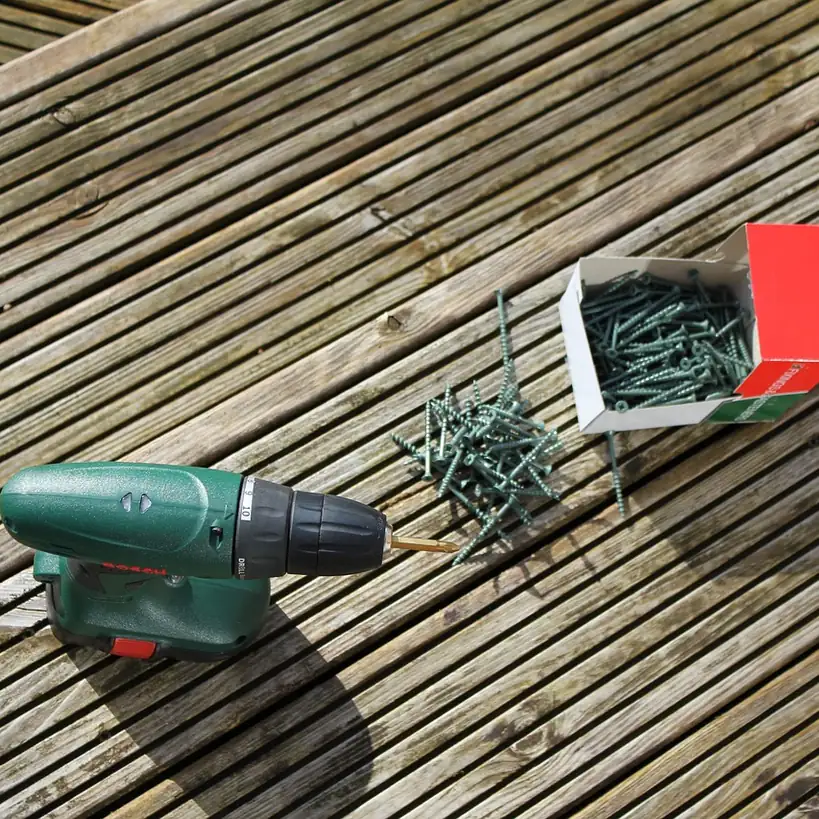
A pocket screw changes the geometry. Because it goes in at a steep angle, it passes through the edge of the first board and goes into the second board at an angle, so it grips more long grain than a straight screw driven into end grain would. The screw head bears on the flat bottom of the pocket and pulls the joint tight, working like a small built-in clamp.
That clamping action is why pocket holes are fast in a small space. You don't need a clamp across the whole assembly while glue dries, and the joint holds as soon as the screw is in. Kreg's own guidance is that clamping the two boards while you drive the screw stops the joint from shifting out of line, because the screw tip can wander as it enters the second board.
Butt joint vs pocket hole strength, by the load each one faces
"Stronger" depends on the direction of the force. This table compares the joints by the kinds of loads beginner furniture actually faces.
| Load on the joint | Glue-only butt joint | Butt joint with straight screws into end grain | Pocket screw joint (with glue) |
|---|---|---|---|
| Weight pressing straight down onto a supported shelf | Can hold if the shelf sits on a cleat or dado, not on the joint alone | Fair, the screws carry some load | Good for typical shelf loads |
| Pulling the boards straight apart | Weak, end grain glue gives way | Weak to fair, threads in end grain can strip | Good, the angled screw resists pull-out |
| Racking (side-to-side rocking, like a wobbly stool) | Poor | Poor to fair | Fair, better with a back panel, stretchers or corner blocks |
| Repeated movement over years (chairs, kids climbing) | Poor | Poor | Not ideal on its own; use interlocking joinery or extra bracing |
| Outdoor use and seasonal wood movement | Poor | Fair with exterior screws | Fair with exterior-rated screws; glue helps close gaps |
These ratings are relative, not measured load figures. Your results will depend on the species, the screw, how well the holes were drilled, and how the piece is braced as a whole.
What we can and can't tell you about strength numbers
You'll find plenty of pull-apart tests online, from magazine tests to home-shop experiments with a clamp and a bathroom scale. They generally agree on the ranking above, with the glue-only butt joint near the bottom and pocket screws well above it. They disagree a lot on the numbers, because they use different wood, different screws, and different ways of breaking the joint. The companies that make pocket-hole jigs also publish strength claims, and those are worth reading while remembering who published them.
The honest takeaway is that you can't look up a "pounds per joint" figure and design a stool around it. Design so that no single joint carries the whole load.
Does glue help a pocket hole joint?
Kreg's FAQ says that a joint made with its pocket-hole screws "is so strong that glue is optional." The same page says glue does help in some situations, including solid-wood panels, mitered corners and outdoor projects, where it helps prevent gaps from seasonal wood movement, and it mentions glue in load-bearing work when the parts are clamped.
Our view for beginners: if the piece is furniture that will be used, add glue anyway. It costs almost nothing, it closes small gaps, and it helps the joint resist racking over time. Leave it out only when you might want to take the piece apart later, for example a flat-pack style shelf you'll move between apartments.
Getting a strong pocket hole joint (what actually matters)
Most weak pocket hole joints come from setup mistakes, not from the joint itself.
- Set the jig to the actual board thickness. Measure your stock. A board sold as 3/4 inch may not be exactly that, and the jig and the drill bit's stop collar have to match the real thickness so the screw lands in the middle of the mating board.
- Choose the right screw thread. Kreg's guidance is coarse-thread screws for softwoods and sheet goods, fine-thread for hardwoods. The wrong thread in soft pine can strip. In hard maple it can split the wood or fail to pull in.
- Use the right length. The screw has to bite well into the second board without breaking through its face. Kreg's chart lists different lengths for different thicknesses. For 2x4 lumber, for example, it gives 2 1/2 inch screws.
- Clamp while driving. A clamp across the joint keeps the faces flush while the screw pulls them together.
- Don't overdrive. Stop when the screw is seated and snug. Overdriving strips the hole, especially in softwood and plywood.
- Mind the direction of the screw. Drill the pockets in the board whose end meets the other board, so the screw's threads end up in the face or edge grain of the mating piece.
If you're choosing a drill for this, our cordless drill buying guide for new woodworkers covers the clutch and chuck features that make driving pocket screws more controlled, and our guide to which clamps you actually need first covers the clamps that help most at assembly.
Drill safety for pocket holes
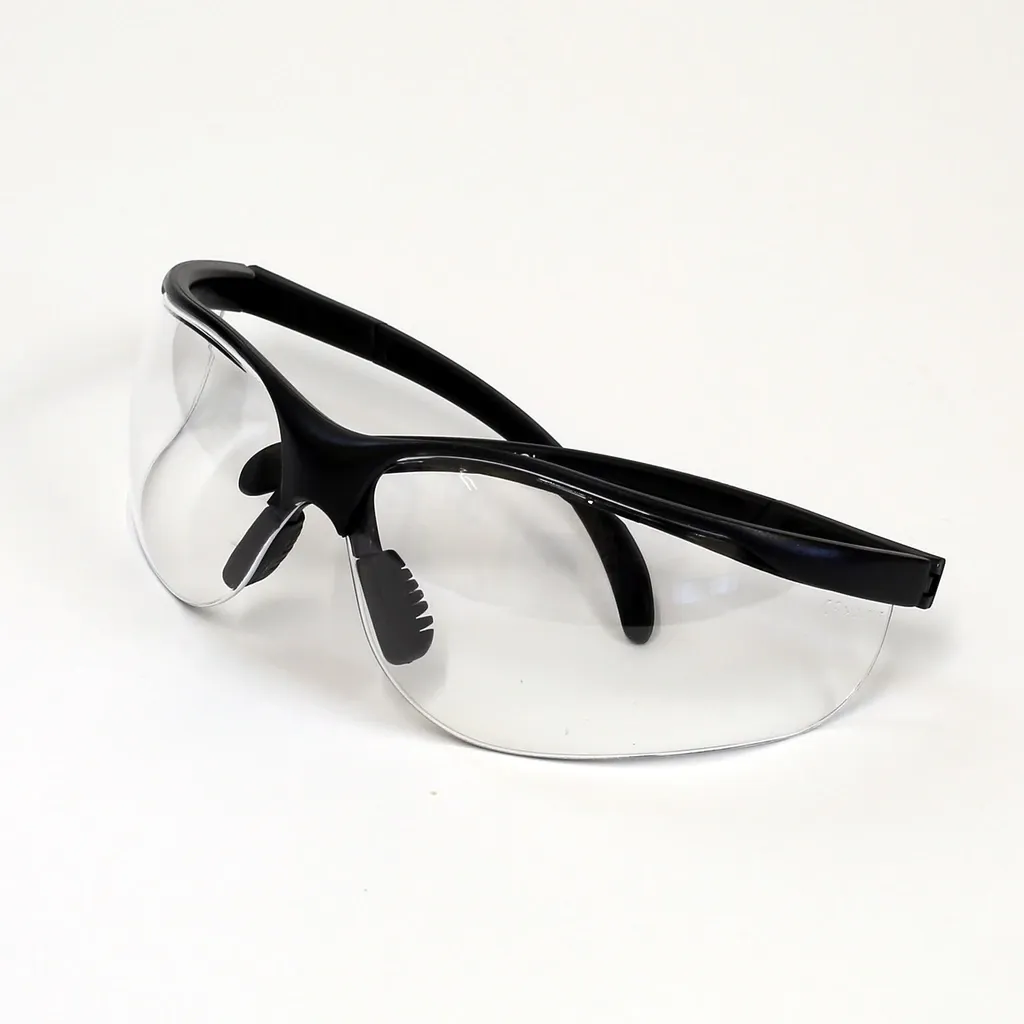
Pocket hole drilling uses a stepped bit spinning fast inside a steel guide. The risks are a bit that catches and twists the drill in your hand, a workpiece that spins if it isn't held, and chips thrown up from the hole.
- Clamp the jig and the workpiece. Never hold the jig or a small part in one hand while you drill with the other.
- Wear eye protection. Chips come out of the pocket fast.
- Keep your free hand well away from the bit's path, and hold the drill firmly so it can't twist if the bit catches.
- Back the bit out now and then to clear chips, rather than forcing it.
- Read the warnings in your drill's manual and your jig's manual before your first hole. They differ between models, and they take priority over any general guide, including this one.
Which should a beginner use?
Use a plain glued butt joint only where the joint carries almost nothing, and preferably where something else takes the load, such as a panel glued into a frame or a box with a glued-in bottom that braces the corners. Our beginner's guide to building a wooden box is a good example of simple joints that the bottom panel helps hold square.
Use a pocket-screwed butt joint for shelving carcasses, cabinet boxes, face frames, simple tables with aprons, and most first furniture projects in a small space. Add glue, a back panel or stretchers, and the whole piece becomes far stiffer than any one joint.
Step up to interlocking joints (a lap joint, a dado, or a mortise and tenon) for anything that gets rocked or sat on hard over years: chairs, stools, and a table leg that has to resist racking without a lot of bracing. That doesn't mean a beginner has to wait. It means those joints are the next skill to learn once the pocket-hole projects are working.
FAQ
Is a pocket hole joint stronger than a butt joint? Yes, compared with a plain glued butt joint. Technically a pocket hole joint is a butt joint too, just reinforced with angled screws that pull it tight and hold far better than glue on end grain.
Are pocket holes strong enough for furniture? For many pieces, yes: shelving, cabinets, face frames and tables with aprons. For chairs and stools that get rocked and sat on hard, don't rely on pocket screws alone. Add bracing or use interlocking joinery.
Should I glue pocket hole joints? Kreg says glue is optional with its screws, and helpful for solid-wood panels, miters and outdoor work. For furniture you'll use daily, gluing as well costs almost nothing and helps the joint resist racking over time.
Why did my glued butt joint break? Most likely because it was end grain glued to face or edge grain, which bonds poorly. A glued butt joint can hold under light, direct pressure but tends to fail when pried apart or racked.
What's the weakest point of a pocket hole joint? Usually the screw's grip in the mating board. Wrong thread type, overdriving, or a jig set for the wrong thickness can strip the threads or put the screw too close to the surface.