What to Do With Sawdust and Scraps in an Apartment
How to sort, store, and dispose of wood scraps and sawdust from an apartment, plus the fire risk oily rags and dust piles genuinely carry.

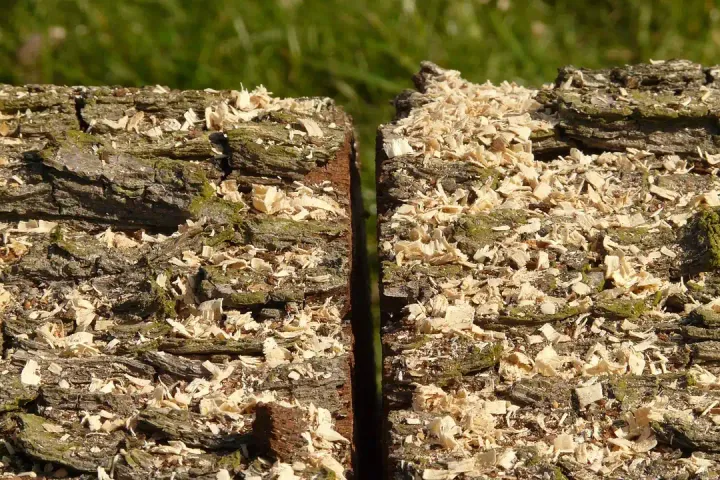
Most leftover wood scraps and sawdust from an apartment project fall into one of three paths: small clean offcuts get kept for a future small project (coasters, a plant stand, a step-stool part), pieces too small or too rough to reuse go out with regular household trash once broken down to a manageable size, provided your local waste rules allow it, and anything treated with chemicals or paint needs to go to a proper disposal or transfer facility rather than the regular bin. There's a genuine fire-risk side to this too: fine sawdust that piles up in enclosed spaces and oily finishing rags left balled up in a corner are both real ignition risks, not a theoretical worry, and they belong in the same disposal routine as the wood itself.
Why apartment disposal is a different question than the usual advice
Search this topic and most results assume a homeowner with a truck, a curbside bulk-pickup service, or a yard to stage material in before a dump run. An apartment renter typically has none of those: no vehicle for a lumber-yard drop-off, no curb for bulk pickup, and no outdoor staging area to let a pile accumulate before dealing with it. That gap is exactly what most general wood-disposal guides miss, and it's the reason apartment-specific sorting and small-batch habits matter more here than a single big cleanup event.
Sort as you go, not after a pile builds up
The single most useful habit for apartment woodworking is sorting scraps the moment a project ends, rather than letting everything accumulate into one undifferentiated pile that becomes a chore to sort later. Three categories cover almost everything:
Keep: clean offcuts with real future use. A straight piece long enough for a coaster, a picture frame corner, or a small plant-stand leg is worth keeping. The guide to small-apartment tool and wood storage covers where these should physically live, kept separate from lumber you're saving for a named upcoming project, so the scrap pile stays a manageable, deliberately curated stash rather than clutter.
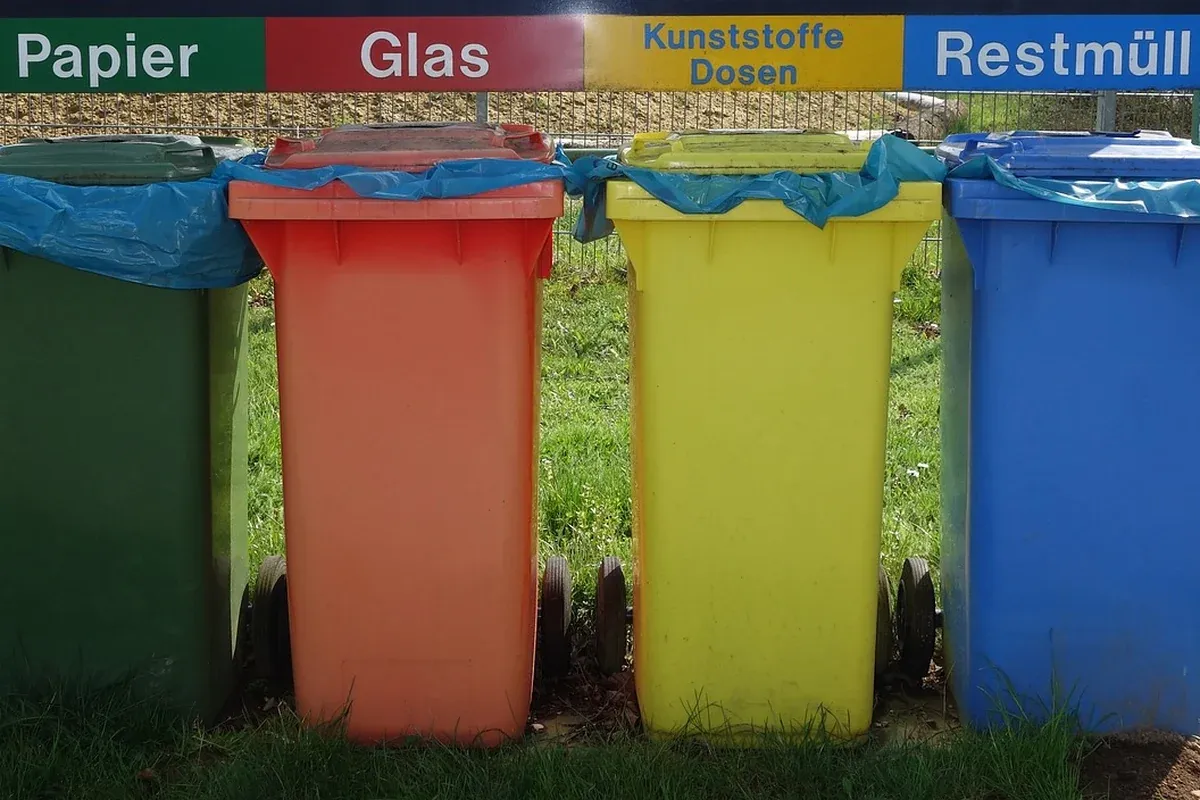
Trash: small, clean, untreated pieces with no reasonable future use. Sawdust and small untreated offcuts can typically go out with regular household trash in most areas, though local rules vary, so it's worth a quick check with your specific waste hauler or municipality rather than assuming. Break larger pieces down to a size that fits a standard trash bag or bin without straining it.
Special handling: treated, painted, or finished wood. Pressure-treated lumber, and anything coated with paint, stain, or a finish, generally isn't accepted in regular household trash in many areas and needs a dedicated construction-debris or hazardous-material drop-off point instead. This is a real category distinction, not a technicality, since treated wood can contain preservative chemicals that regular landfill trash streams aren't designed to handle safely.
Options beyond the trash bin
Donation. Organizations like Habitat for Humanity ReStore and similar local reuse centers often accept clean, usable lumber offcuts, and this is a genuinely good option for larger clean pieces that don't fit your own project queue but are too good to trash.
Community boards and local marketplaces. Posting a photo of usable scrap wood on a local marketplace or a neighborhood app connects it with someone who needs exactly that size and species, and it costs nothing beyond the time to post it.
A local woodworking club or maker space. Where one exists nearby, these groups often take scrap donations for shared projects, and it's worth checking whether one operates in your area before defaulting to the trash for anything larger.
Junk removal services, for a genuinely large accumulated pile. If scrap has built up over months into more than a household trash routine can handle, a paid pickup service is a legitimate last resort, though it's the most expensive option here and worth avoiding by sorting consistently in the first place.
The fire risk this topic doesn't get enough credit for
Two separate fire risks belong in a disposal routine, and both are easy to underestimate specifically because the danger isn't visible in the moment.
Accumulated fine sawdust is a genuine combustion hazard when it piles up in enclosed spaces. The guide to containing sawdust in a small apartment covers why the fine, airborne fraction of dust is a respiratory hazard; the same accumulated fine dust, left to build up inside an enclosed tool cabinet or a sealed bag over time, is also a recognized fire risk at scale. The practical takeaway for an apartment is straightforward: don't let sawdust collect indefinitely in a sealed container, empty and dispose of it regularly rather than letting it accumulate.
Oily rags used with oil-based finishes can self-heat and ignite without any flame or spark involved. As the finish cures on a rag, especially one balled up so the heat it generates can't escape, that trapped heat can build to the point of spontaneous combustion. This isn't a rare or theoretical event, it's a documented cause of fires traced specifically to finishing rags, and it's entirely preventable with one simple habit: lay used oil-finish rags flat to dry fully in the open, or submerge them completely in a metal container of water, rather than balling them up and tossing them in a trash can or a closet. Once a rag has fully dried flat, it no longer carries this risk and can be disposed of as regular trash.
A simple weekly routine that prevents both problems
Sort scraps into keep, trash, and special-handling categories at the end of each project session rather than letting them mix. Empty any sealed dust-collection bag or bin regularly rather than letting fine dust accumulate for weeks. Lay any oil-finish rags flat to dry immediately after use, never balled up in a bin. Together, these three habits solve the practical clutter problem and the two real fire risks with the same small amount of end-of-session effort.
How this connects to the rest of your setup
Disposal is the last step in a cycle that starts with containment. The guide to containing sawdust in a small apartment covers the respiratory side of dust, and the roadmap for starting without a garage is the place to start if you're building out your full apartment setup around these constraints from the beginning.
FAQ
Can I put wood scraps in regular household trash? Small, clean, untreated pieces broken down to a manageable size typically can, though local rules vary, so check with your specific waste hauler. Treated or painted wood generally needs separate disposal.
Is sawdust safe to throw in regular trash? Generally yes for small amounts, but don't let it accumulate in a sealed bag or bin for extended periods, since accumulated fine dust is a genuine fire risk. Empty dust containers regularly rather than stockpiling them.
Why are oily rags a fire risk? Rags used with oil-based finishes, especially linseed oil and products containing it, can self-heat as the finish cures and ignite on their own if balled up. Laying them flat to dry, or submerging them in water, removes the risk.
Where can I donate leftover wood scraps? Habitat for Humanity ReStore locations, local woodworking clubs, and neighborhood marketplace apps are all realistic options for clean, usable offcuts too large to fit your own project queue.
How do I dispose of treated or painted wood? Check for a local construction-debris drop-off or transfer station, since many areas don't accept treated or painted wood in regular household trash. This is worth confirming with your specific municipality rather than assuming standard rules apply.