Best Oscillating Multi-Tool for Beginners: How to Choose
Oscillation angle, speed control, the accessory interface and corded vs battery. What to check on any multi-tool, and what it cannot do well.

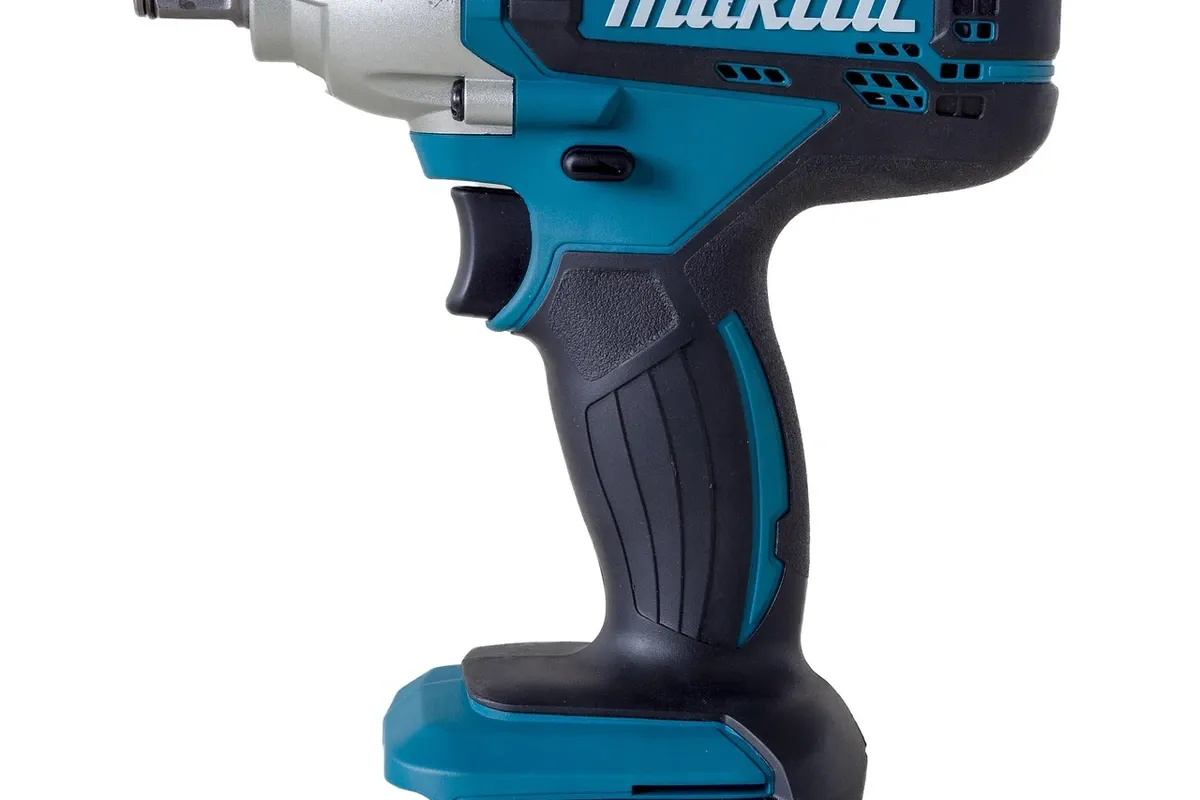
The best oscillating multi tool for beginners is the one whose accessories you can buy easily, whose speed you can control, and whose power source fits where you work. Check four things on any model: the accessory interface, the speed control, the oscillation angle the maker publishes, and corded or battery. In a small space, the tool earns its place by doing awkward small jobs well, flush cuts, plunge cuts, detail sanding and scraping, not by replacing a saw.
This page ranks nothing and quotes no price. It explains the specifications, so you can judge any model yourself.
Why This Page Has No Picks
Nobody here has tested these tools, so nothing below is a review. Two makers' product pages are cited only because they publish the specifications that explain the choice. The specifications last longer than any model, and they let you judge a tool released after this was written.
What an Oscillating Multi-Tool Actually Does
The tool swings an accessory back and forth through a very small arc, many thousands of times a minute. It does not spin like a drill or reciprocate like a jigsaw. That small, fast swing is why it can:
- Cut flush against a surface, such as trimming a dowel or a plug level with a board.
- Plunge cut into the middle of a panel without a starting hole.
- Sand into corners with a triangular pad a round sander cannot reach.
- Scrape old glue, caulk or finish.
That is the case for it in a small home: one compact tool, many small jobs, and accessories that fit in a drawer.
What It Cannot Do Well
This is the section most "best of" lists leave out, and it matters more than any feature.
- It is not a saw for long straight cuts. The blade is short and the cut is slow. For breaking down boards or panels, a saw does the job faster and straighter.
- It is not a sander for large surfaces. The triangular pad is small. A tabletop takes far longer than with a random orbital sander.
- Blades wear quickly in hard or dirty material, and they are a running cost.
- It vibrates, and long sessions tire your hands.
If your projects are mostly cutting boards to length, a multi-tool is a second or third tool, not a first. The core first tools are set out in the minimal woodworking tool kit.
The Four Specifications That Decide It
| Specification | What to look up | What it changes |
|---|---|---|
| Accessory interface | Tool-free change, and which blade fittings it takes | Which blades you can buy, and how fast you can swap them |
| Speed control | Variable dial or preset speeds | Control on delicate cuts and sanding |
| Oscillation angle | The degree figure in the spec table | Aggressiveness of cut and feel in the hand |
| Power source | Corded, or a battery platform you already own | Runtime, weight and where you can work |
Accessory Interface: Check This First
The blades are what you will keep buying, so the fitting matters more than the tool. Makers use different accessory mounts. Some tools take many brands' blades through an adapter, and some take only their own system.
As published examples: DeWalt's DCS356B lists a "universal accessory adapter compatible with most oscillating tool brands" and a "Quick-Change accessory system" (DeWalt product page, read September 11, 2026). Dremel's Multi-Max MM35-02 lists a "tool-less accessory change" (Dremel product page, read September 11, 2026).
What to do: before choosing a tool, check which blades are stocked where you shop, in the types you need, and confirm they fit the tool's mount. A tool-free change also means fewer loose parts, which matters when you are working on a kitchen table.
Speed Control: Dial or Presets
A variable dial lets you set any speed in the tool's range. Preset speeds give a few fixed settings. Presets are simpler to learn, and a dial gives finer control. DeWalt's DCS356B lists a 3-speed selector with a variable-speed trigger. Dremel lists the MM35-02 with a variable speed dial and a range of 10,000 to 23,000 oscillations per minute (both from the product pages above, read September 11, 2026).
In practice, lower speeds help when starting a plunge cut or sanding a finish, and higher speeds cut faster. Either system works. What matters is that you can slow the tool down.
Oscillation Angle: The Figure Most Buyers Skip
The oscillation angle is how far the accessory swings each way, given in degrees. Dremel lists the MM35-02's as 3.2 degrees. A larger angle generally removes material faster and feels more aggressive; a smaller one is smoother. Many makers do not print the figure on the box, so look for it in the specification table or manual. When two tools are otherwise similar, it helps explain why they cut differently.
Corded or Battery
Corded suits long scraping or sanding sessions, and battery suits short, scattered jobs. The Dremel MM35-02 is listed as a corded, 3.5 amp, 120 V tool with a 7 foot cord. The DeWalt DCS356B is sold as a bare tool, with "battery and charger sold separately."
That second point matters for your budget and storage. If you already own a battery platform, a bare tool is a sensible addition. If you do not, a battery tool also means a charger and packs to buy and store.
Using One Safely
Read the maker's manual in full before first use. The safety points that apply to every multi-tool:
- Wear eye protection every time. Sanding and scraping throw fine debris.
- Wear hearing protection for anything longer than a quick cut. NIOSH sets its recommended exposure limit for occupational noise at 85 dBA averaged over an eight hour workday (CDC/NIOSH noise page, read September 11, 2026), and long sanding sessions add up. The tool-by-tool picture is in how loud woodworking tools really are.
- Unplug the tool or remove the battery before changing accessories. Accessories can also be hot right after use.
- Clamp the work. Do not hold a small part in one hand and cut with the other.
- Use the accessory the manual specifies for the material.
Cutting into walls, floors or cabinets needs a stop point. A plunge cut into a wall can hit wiring or pipes you cannot see. Use a stud and wire detector first, and do not cut where services may run. If the job means cutting into a wall in a rental, stop. That is a landlord conversation before it is a tool question, and woodworking projects for renters that will not damage anything covers what renters can do without it.
Do not sand or scrape old paint in older housing without knowing what is in it. In the United States, homes built before 1978 may contain lead-based paint, and power sanding or scraping it creates dust. Have it tested first.
Dust in a Small Room
Sanding and scraping produce fine dust, and the multi-tool's small pad does not change that. Some models offer a dust extraction attachment, so check whether one is available and whether it fits your vacuum. For the full approach to dust in a home, including respirators rated for fine dust, see how to contain sawdust in a small apartment.
Choosing the Best Oscillating Multi-Tool for Beginners, in Order
- List the jobs. Flush trimming, a plunge cut in a panel, sanding corners? If none of those come up in your next projects, wait.
- Check blade availability and fit where you shop.
- Decide corded or battery from where you work and whether you own a platform.
- Confirm you can slow it down, with a dial or a low preset.
- Look up the oscillation angle if you are comparing two similar tools.
The Short Version
- A multi-tool is for awkward small jobs: flush cuts, plunge cuts, corner sanding, scraping.
- It is not a saw or a large-surface sander. It is a second or third tool.
- Check blade fit first, because blades are the running cost.
- Speed control matters more than power. Make sure it slows down.
- Oscillation angle explains how aggressive it feels.
- Eye and hearing protection every time, and a detector before any cut into a wall.
Frequently Asked Questions
Is an oscillating multi-tool good for woodworking beginners? It is a useful tool for small jobs, such as trimming plugs flush, cutting openings and sanding corners. It is rarely a good first tool, because most beginner projects need straight cuts that a saw handles better.
Do oscillating tool blades fit every brand? No. Makers use different mounts. Some tools accept many brands through an adapter, and some take only their own system. Check the fitting before buying either the tool or the blades.
Corded or cordless for an oscillating tool? Corded suits long sanding or scraping sessions. Cordless suits short, scattered jobs and places without an outlet. If you already own a battery platform, a bare tool from that platform avoids buying another charger.
Can an oscillating tool replace a jigsaw? Not for most jobs. It can make short straight or plunge cuts, but it is slow on long cuts and cannot cut curves as easily as a jigsaw.