Best Track Saw for Beginners: What to Check First
Cut depth, rail length and joining, the rail system you commit to, dust extraction and storage. How to judge a track saw for a small space.

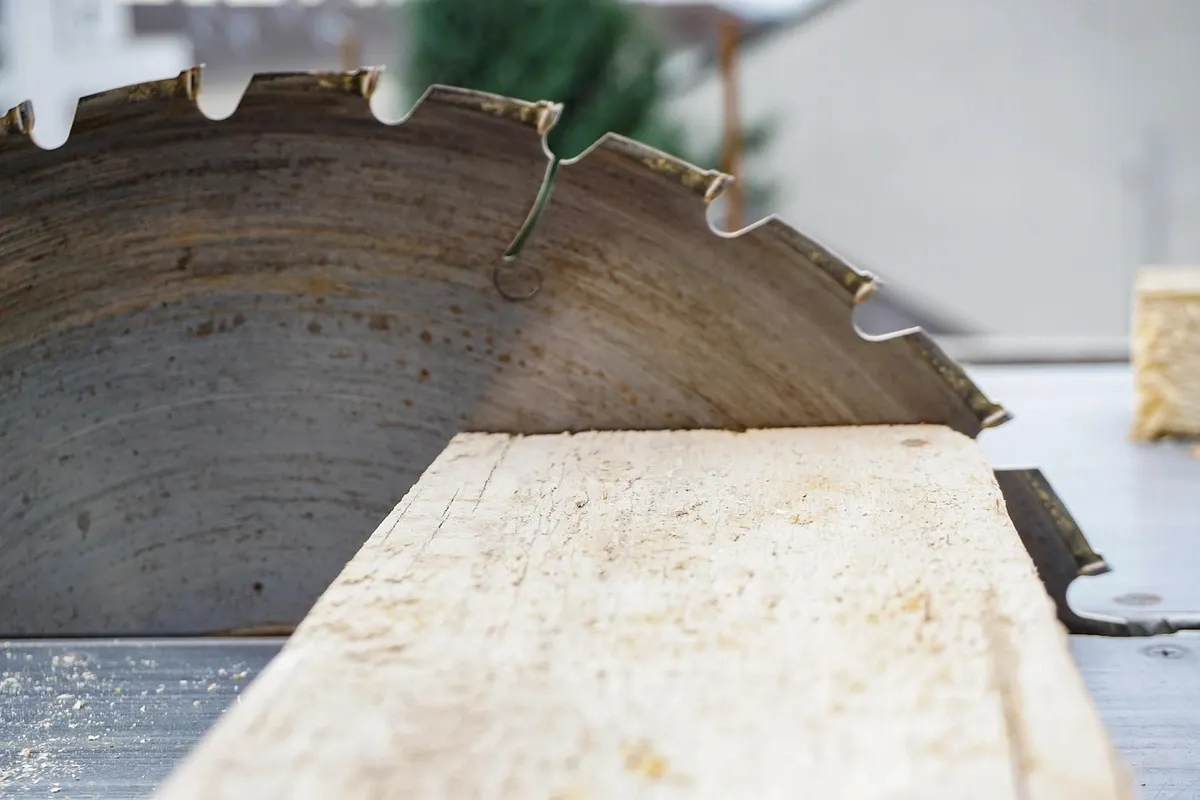
The best track saw for beginners in a small space is the one whose rail system you can store, whose cut depth covers your material, and whose dust port fits a vacuum you own. The saw is the easy part. The rail is the long-term commitment, because rails, connectors and clamps are usually specific to one maker's system. Choose the system first, then the saw.
This page ranks nothing and quotes no price. It sets out the checks, so you can judge any kit.
Why This Page Has No Picks
Nobody here has tested these saws, so nothing below is a review. One maker's published specification is quoted as a worked example of what to read, not as a recommendation. Specifications and system compatibility outlast any single model.
What a Track Saw Is, in One Paragraph
A track saw is a plunge-cut circular saw that runs on a guide rail. You lay the rail on the line, the saw rides along it, and the rail's edge marks exactly where the cut will fall. The panel stays still and the saw moves, which is why the tool suits small spaces: you can cut a full sheet on a support on the floor rather than pushing it past a table saw blade.
Whether you need one at all, rather than a circular saw, depends on how often you cut sheet goods. If you are still at that first decision, the circular saw vs table saw comparison sets out the order most small-space woodworkers buy in.
The Five Checks That Matter
| Check | What to look up | Why it matters in a small space |
|---|---|---|
| Rail system | Which rails, connectors and clamps fit this saw | You are buying into a system, not one tool |
| Rail length | Included rail length, and whether rails join | Long rails cut full sheets; short rails store easily |
| Cut depth | Depth at 90 and 45 degrees, allowing for the rail | Whether it cuts your stock in one pass |
| Dust port | Port size and adapter | Fine dust indoors is the main health issue |
| Power source | Corded or a battery platform you own | Runtime against where you can work |
The Rail System Comes First
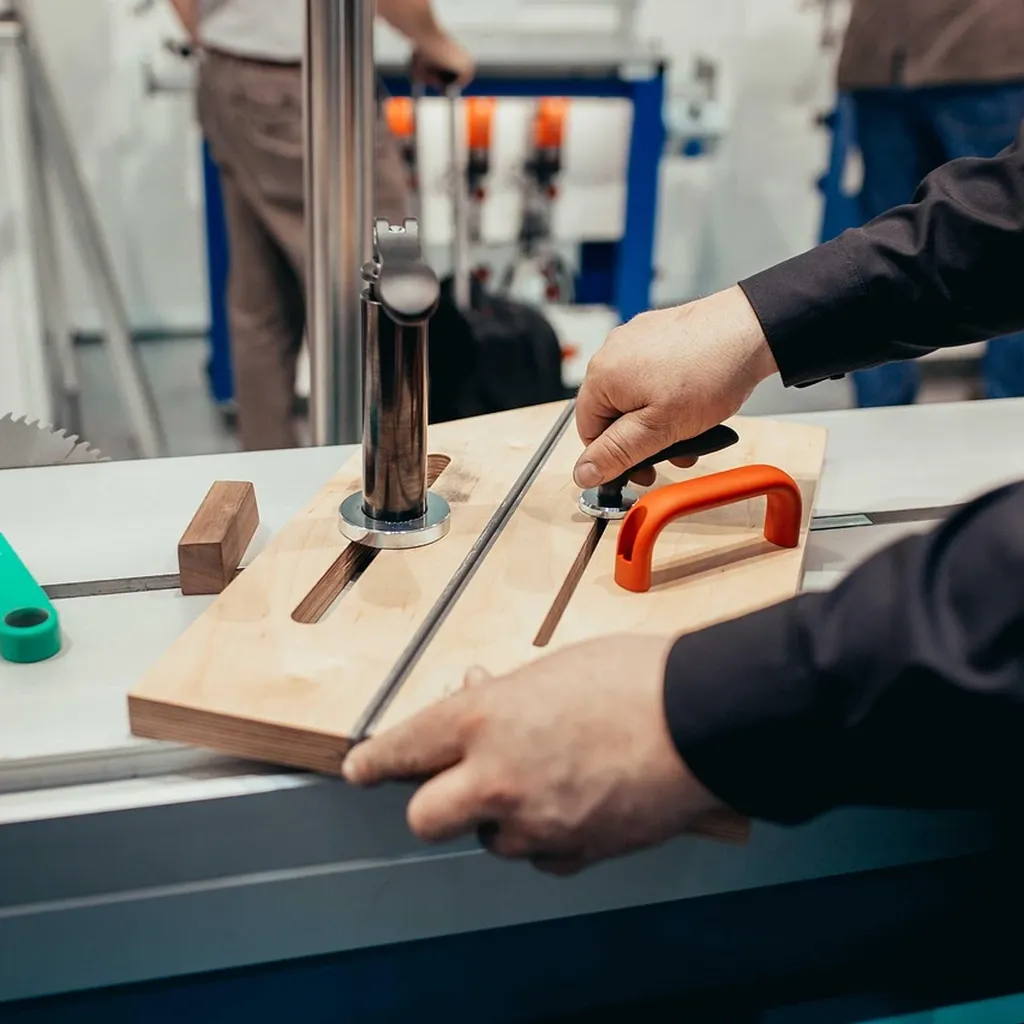
Rails are the part you keep. A saw may be replaced one day. The rails, connectors, clamps and any accessories that ride on them usually belong to one maker's system, and some saws also fit rails from other makers. Check compatibility on the maker's own pages before assuming.
What to ask:
- Does the saw run on rails from other makers, or only its own?
- Are rail connectors available, so two short rails can join into one long one?
- Are rail clamps available? Many rails grip well without them, but clamps help on narrow or slippery stock.
Rail Length and Storage
A standard 4 by 8 foot sheet shows the two lengths that matter. Cutting across its 4 foot width needs a rail somewhat longer than 4 feet. Cutting along its full 8 foot length needs a rail longer than 8 feet, or two shorter rails joined. The storage question is where small spaces decide this. A long rail needs a place to hang flat and undamaged, and a bent rail cuts crooked.
That is why many small-space users prefer two shorter rails with a connector: each one stores easily, and they join for long cuts. Measure the wall or cupboard where the rail will live before choosing a length. Where to keep long, flat items is covered in how to store wood and tools in a small apartment.
Cut Depth, and What the Rail Takes Away
The rail sits under the saw, so it reduces the usable depth. Makers publish the depth with this in mind, but read the figures carefully.
As a worked example, DeWalt lists its DCS520ST1 track saw kit with a 6-1/2 inch blade, a cutting depth of 2-1/8 inches (54 mm) at 90 degrees and 1-5/8 inches (41 mm) at 45 degrees, a 59 inch track, and a depth scale that "accounts for track thickness" (DeWalt product page, read September 11, 2026).
How to read that: plywood and MDF for furniture are commonly 3/4 inch or thinner, well within those depths. Depth becomes a question only if you plan to cut thick solid timber or bevel thicker stock. Note also the rail: 59 inches is long enough to cross a 4 foot wide sheet, but a cut along an 8 foot length would need a second rail and a connector.
Dust Extraction Indoors
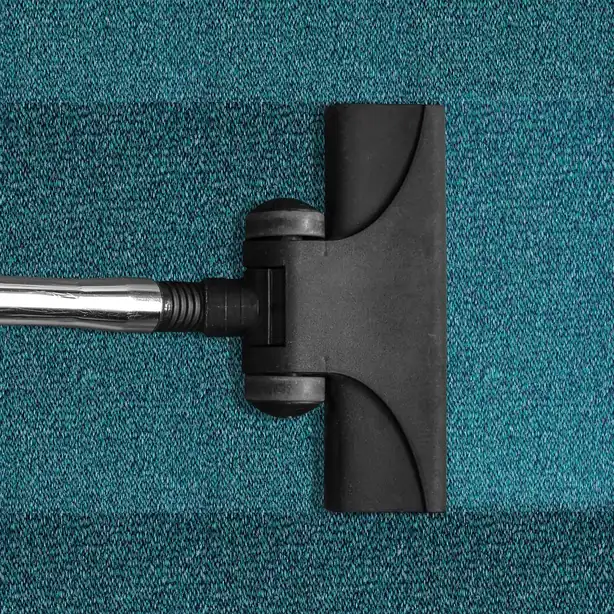
A track saw with its blade enclosed and a vacuum connected is one of the better power saws for dust control, but it is not dust-free. Check the dust port size, whether an adapter is needed for your vacuum, and whether your vacuum's filter is rated for fine dust. The full approach to fine dust in a home, including respirator ratings, is in how to contain sawdust in a small apartment.
Corded or Battery
A corded saw runs as long as you need. A battery saw is easier to use outdoors or on a landing, and it is a sensible buy if you already own that maker's platform. If you do not, a battery kit also means a charger and packs to store and look after.
Using a Track Saw Safely
Read the maker's manual in full before the first cut. It is the authority for your saw, including the setup of its kickback protection and its riving knife if it has one. The points that apply to every track saw:
- Wear eye protection and hearing protection from the first cut. NIOSH sets its recommended exposure limit for occupational noise at 85 dBA averaged over an eight hour workday (CDC/NIOSH noise page, read September 11, 2026), and a saw cutting wood runs well above that.
- Unplug the saw or remove the battery before changing the blade or adjusting the depth.
- Set the depth just deeper than the material plus the sacrificial support, as the manual directs, and no deeper.
- Support the panel on both sides of the cut so the offcut cannot drop and pinch the blade. A pinched blade is a cause of kickback.
- Never defeat the plunge lock, guard or riving knife. If a cut seems to need that, the setup is wrong.
- Keep the cord and your body clear of the rail's path before you start the cut.
Cut on a sacrificial support, not on your floor or furniture. A sheet of rigid foam insulation board under the panel is a common choice: the blade passes into the foam, both sides of the cut stay supported, and your floor stays intact. Cutting wood without damaging your table covers support setups in more detail.
What a Track Saw Will Not Do
- It is slow on many narrow strips. Repeatedly lining up the rail for thin rips takes time, and narrow offcuts are hard to support.
- It is poor on short, small parts. The rail needs room to sit on the work.
- It does not replace a crosscut station for many repeated short pieces without a jig.
For those jobs, a hand saw with a stop block, or having the lumber yard cut parts, can be the better answer.
Choosing the Best Track Saw for Beginners, in Order
- Confirm you cut sheet goods often. If not, a circular saw and a straightedge may be enough.
- Choose the rail system and check which saws and accessories fit it.
- Measure your storage and pick rail lengths that fit, with a connector if needed.
- Check cut depth against the thickest material you will cut.
- Match the dust port to a vacuum rated for fine dust.
- Choose corded or battery from where you work and what you already own.
The Short Version
- Choose the rail system before the saw. Rails, connectors and clamps are the long-term commitment.
- Rail length is a storage decision in a small home. Two rails and a connector store more easily than one long rail.
- Read cut depth with the rail in mind. Sheet stock for furniture is well within typical depths.
- Connect a vacuum rated for fine dust, and still wear a respirator for long sessions.
- Read the manual, keep every guard and lock working, and support both sides of the cut.
Frequently Asked Questions
Is a track saw worth it for a beginner? If you cut plywood or MDF often and have no room for a table saw, it is one of the most useful saws for a small space. If you mostly cut boards to length, a circular saw or a hand saw may be enough for a long time.
Can I use one brand's track saw on another brand's rail? Sometimes. Some saws are designed to fit other makers' rails, and some fit only their own. Check the compatibility statement on both makers' pages before buying.
What rail length do I need? To cut along the full 8 foot length of a standard sheet you need more than 8 feet of rail, usually two shorter rails joined with a connector. To cut across its 4 foot width, a rail somewhat longer than 4 feet is enough, and far easier to store.
Do track saws make less dust than circular saws? With a vacuum connected, the enclosed blade and port usually capture more dust than a basic circular saw does. It is not dust-free, so a vacuum rated for fine dust and a fitted respirator still matter indoors.