Best Shop Vac for Woodworking in a Small Space
Filter rating, sealing, hose fit, bag or no bag, and noise. How to judge a shop vac or extractor for fine wood dust in a room you live in.

The best shop vac for woodworking in a small space is judged on fine dust, not on tank size or peak horsepower. Check four things: a filter rated for fine dust, ideally true HEPA, a sealed body so dust cannot bypass that filter, a hose and adapter that fit your tools' dust ports, and bags or a pre-separator that keep the filter from clogging. Tank size matters much less indoors than on a job site, and a smaller unit is easier to store.
This page ranks nothing and quotes no price. It sets out what the specifications mean, so you can judge any vacuum.
Why This Page Has No Picks
Nobody here has tested these vacuums, so nothing below is a review. No model is named as a winner, because the useful information is in the filter rating and the sealing, not in the brand. Those checks apply to any vacuum you find.
Why Fine Dust Is the Whole Question Indoors
In a garage, dust has somewhere to go. In a room you live in, it settles on bedding, food surfaces and furniture, and the finest part stays in the air.
The health concern is the fine fraction you cannot see, not the shavings on the floor. The U.S. National Cancer Institute states that "strong and consistent associations with cancers of the paranasal sinuses and nasal cavity have been observed" for wood dust, and cites the IARC Monographs and the National Toxicology Program's Report on Carcinogens (NCI wood dust page, read September 11, 2026). Those findings come from long-term occupational exposure, such as sanding operators in industry, rather than occasional hobby use. They are still the reason a vacuum's fine-dust performance matters more than its capacity.
The wider approach, containment, respirators and cleanup, is in how to contain sawdust in a small apartment. This page is the equipment half of that.
The Four Checks, in Order
| Check | What to look for | What it changes |
|---|---|---|
| Filter rating | A stated HEPA rating, or a fine-dust rating with a figure | How much fine dust is caught |
| Sealing | A body designed so air cannot bypass the filter | Whether the filter rating means anything |
| Hose and adapter | Hose diameter and adapters for your tools | Whether source capture works |
| Bags or pre-separator | Filter bags, or a cyclone before the vacuum | Whether suction holds through a session |
1. The Filter Rating
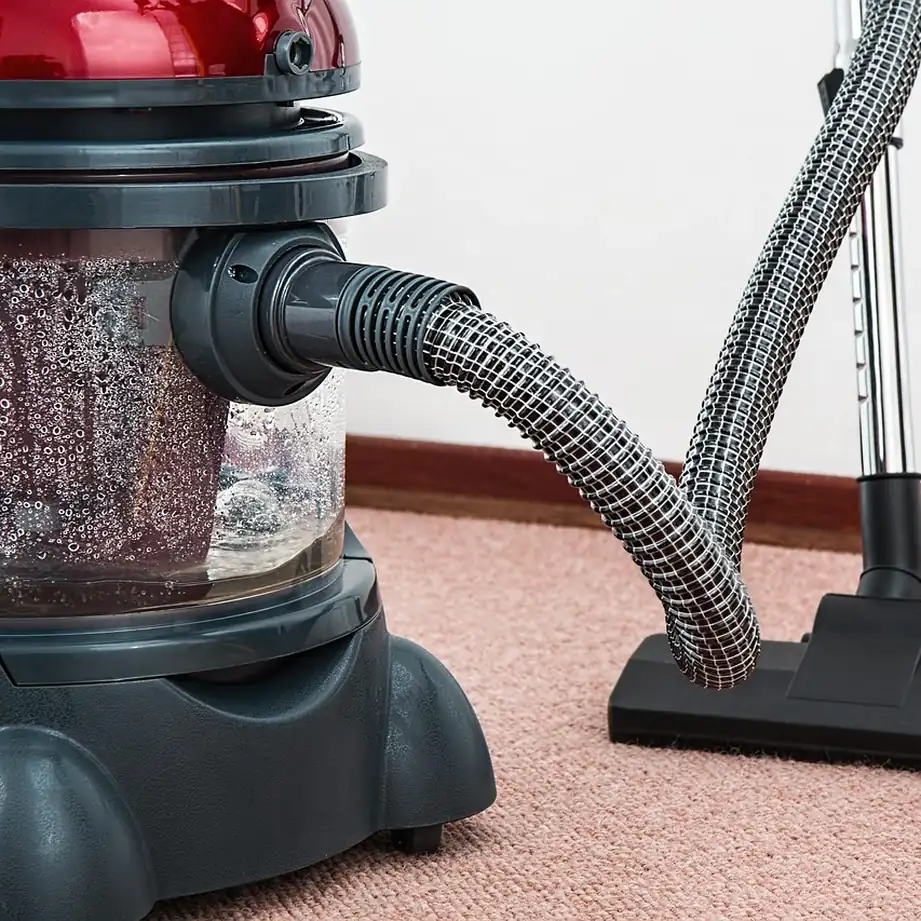
"Fine dust filter" is a marketing phrase. "HEPA" is a defined standard. The U.S. Environmental Protection Agency explains that a HEPA filter must "remove at least 99.97% of dust, pollen, mold, bacteria, and other airborne particles with a size of 0.3 microns," as defined by the U.S. Department of Energy (EPA, What is a HEPA filter?, read September 11, 2026).
What to do: look for the word HEPA with a stated standard or efficiency figure, not "HEPA-type" or "HEPA-style." If a vacuum lists only "fine dust filter" with no figure, treat its fine-dust performance as unknown.
2. Sealing: The Check Most Guides Skip
A HEPA filter only works if all the air goes through it. On a basic shop vacuum, air can escape around the filter's seal, through gaps in the body or out through the motor exhaust. Fitting a HEPA filter to such a vacuum improves it, but it does not make the whole machine perform to HEPA level.
Dust extractors built for fine dust are designed as sealed systems, and often add a filter cleaning function to keep suction steady. That is the main difference between a shop vacuum and an extractor, and it matters more than the tank size.
What to look for: a maker's statement that the whole unit, not only the filter, meets a fine-dust or HEPA standard. If the documents mention only the filter, assume the unit itself is not sealed to that standard.
3. Hose and Adapter Fit
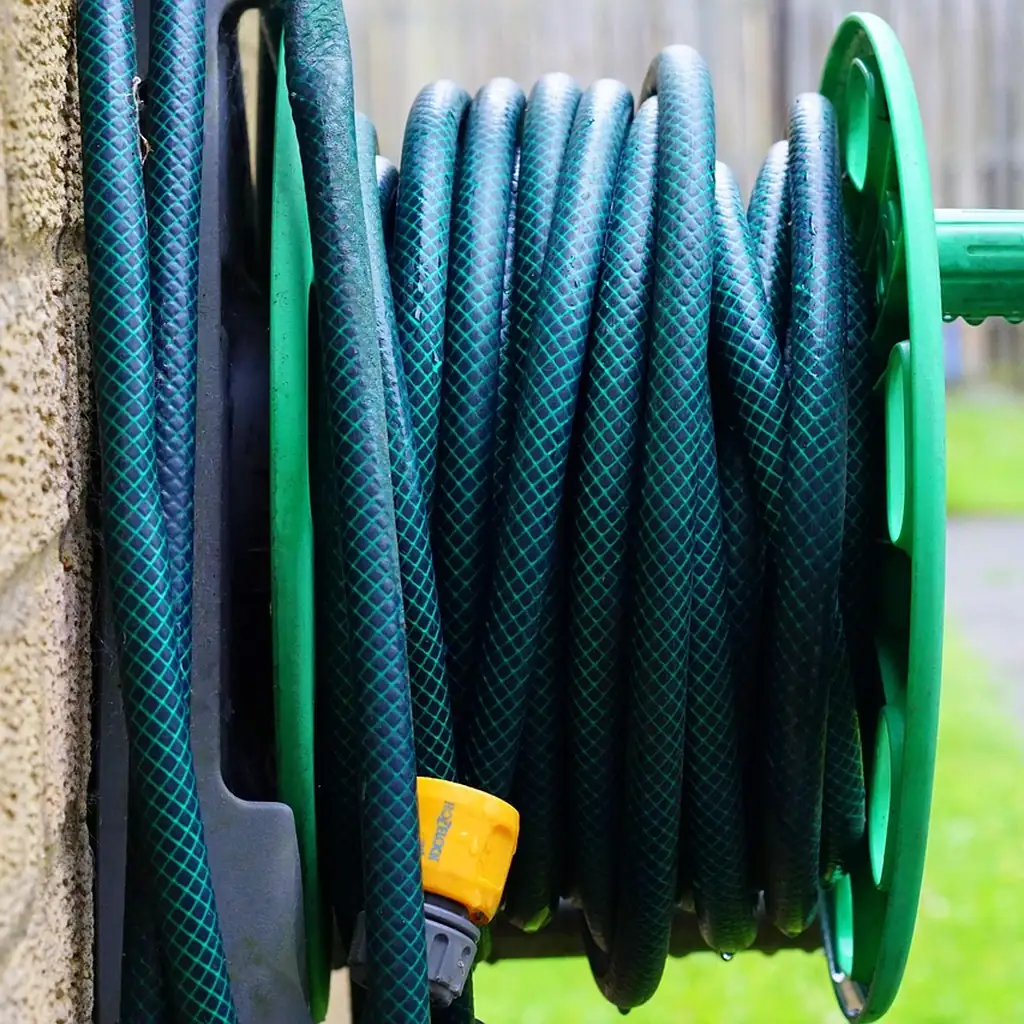
Capturing dust at the tool is far better than vacuuming the room afterward. That only works if the hose fits your tools' dust ports. Port sizes differ between tool makers, and adapters are often sold separately.
- Measure the dust port on each tool you own.
- Check the vacuum's hose diameter and available adapters.
- Prefer a smooth, flexible hose long enough to reach your work without dragging the vacuum around.
A loose connection leaks dust at exactly the point you meant to capture it.
4. Bags, Pre-Separators and Clogging
Fine dust clogs a filter quickly, and a clogged filter loses suction. Two things help:
- Filter bags inside the tank catch most of the dust before it reaches the main filter, and they make emptying cleaner. Bagless emptying in a small room can release a cloud of the dust you just collected.
- A cyclone pre-separator between tool and vacuum drops most debris into a bucket first. It adds another object to store, so weigh that against how much dust your work produces.
Tank Size and Footprint
Tank size matters less than most guides suggest. Hobby projects in a small space produce modest volumes, and a smaller tank is easier to empty, lift and store. A wall-mounted unit saves floor space but ties you to one spot. A compact canister can move between rooms and fit in a cupboard.
Measure where the vacuum, hose and bags will live before choosing. Storage ideas for bulky gear are in how to store wood and tools in a small apartment.
Noise: The Vacuum Runs the Whole Session
The vacuum often runs longer than any tool it is connected to, which makes it one of the biggest noise sources in a home workshop. NIOSH sets its recommended exposure limit for occupational noise at 85 dBA averaged over an eight hour workday (CDC/NIOSH noise page, read September 11, 2026). Look for the maker's published noise figure, wear hearing protection, and plan sessions around your building's quiet hours. Ways to reduce what reaches the neighbors are in how to reduce woodworking noise for apartment neighbors.
An auto-start outlet, where the vacuum switches on with the tool, is worth having if offered. It shortens run time and so reduces noise.
Safety Limits of a Vacuum
A vacuum reduces dust. It does not make fine dust harmless, and there are things it must not be used for.
- A vacuum does not replace a respirator. For sanding and cutting indoors, wear a respirator rated for fine particles and fitted to your face. A loose paper mask is not the same protection.
- Do not vacuum up hot material, such as embers, or anything smoldering.
- Do not use a shop vacuum on flammable liquids or solvent vapors, unless the maker's manual specifically allows it. Finishing solvents and a vacuum motor are a bad combination.
- Do not vacuum old paint dust from homes built before 1978 in the United States without knowing it is lead-free. A vacuum without a sealed, rated system can spread it.
- Empty and store fine dust in a sealed bag or container, and keep dust from building up in corners and cupboards. Accumulated fine dust is also a fire concern.
- Keep oily finishing rags out of the vacuum and the dust bin. Some oil finishes can self-heat as rags dry. What to do with sawdust and scraps in an apartment covers disposal properly.
- Read the maker's manual before first use, including the filter installation and the wet and dry rules. Using a vacuum wet with a dry filter fitted can damage the filter and the motor.
Choosing the Best Shop Vac for Woodworking in a Small Space
- List the tools you will connect and measure their dust ports.
- Require a real filter rating, HEPA with a stated standard where possible.
- Check whether the whole unit is sealed to that rating, not only the filter.
- Confirm hose and adapter fit for every tool.
- Choose bags or a pre-separator so suction lasts and emptying stays clean.
- Check the noise figure and footprint against your space and building rules.
The Short Version
- Judge a vacuum on fine dust first, not tank size or peak horsepower.
- HEPA is a defined standard: at least 99.97% of particles at 0.3 microns, per the EPA.
- A HEPA filter in an unsealed vacuum is an improvement, not a HEPA system.
- Capture at the tool, with a hose and adapter that fit.
- Bags keep suction steady and make emptying cleaner indoors.
- A vacuum does not replace a respirator, and it is never for solvents, embers or old paint dust.
Frequently Asked Questions
Is a regular shop vac good enough for woodworking in an apartment? It is better than sweeping, but a basic shop vacuum is not built to hold back fine dust, even with a better filter fitted. For sanding indoors, a unit sealed to a fine-dust or HEPA standard, used at the tool, plus a fitted respirator, is the stronger setup.
What is the difference between a shop vac and a dust extractor? A dust extractor is designed as a sealed system for continuous fine-dust capture, often with filter cleaning and an auto-start outlet. A shop vacuum is a general-purpose machine that may let fine dust bypass the filter.
What size shop vac do I need for a small space? Smaller than you might think. Hobby projects produce modest volumes, and a compact unit is easier to empty and store. Filter rating, sealing and hose fit matter far more than capacity.
Can I use a household vacuum for sawdust? It is a poor choice. Most household vacuums are not designed for fine wood dust, can clog quickly, and may blow fine particles back into the room.