Pocket Hole vs Dowel Joint: Which to Learn First
Pocket hole vs dowel joint: which should a beginner learn first? A constraint-first guide to strength, cost, and the joint that finishes projects fastest.

In the pocket hole vs dowel joint decision, learn pocket holes first. They forgive mistakes, they clamp themselves as you drive the screw, and they let you finish a shelf or a cabinet face in an afternoon with one jig and a drill. Dowels are stronger and cleaner-looking, but they punish sloppy layout, so they reward the accuracy you build up on easier joints first. Start with pocket holes to actually complete projects, then add dowels once your marking and drilling are reliable. This guide covers how each one works, which is stronger, what each costs in money and space, and the safety you cannot skip.
Neither method is "better" in a vacuum. They solve different problems, and the honest answer for a beginner is that pocket holes get you to a finished piece sooner, while dowels are the next skill worth earning.
Pocket hole vs dowel joint at a glance
| Factor | Pocket holes | Dowels |
|---|---|---|
| Learning curve | Low, very forgiving | Moderate, layout must be accurate |
| Speed | Fast, screw clamps itself | Slower, glue needs clamping time |
| Strength | Good for shelves, frames, cabinets | Higher in tested comparisons |
| Visible hardware | Yes, angled hole (can be plugged) | No, fully hidden |
| Core kit cost | One jig, drill, driver | Jig, matched drill bit, dowels, clamps |
| Best first projects | Face frames, shelves, box carcasses | Furniture that must look clean on all sides |
Use this as a shortcut, not a verdict. The rest of the article explains why each row reads the way it does, because the "right" joint depends on your project, your space, and how much accuracy you already have.
How pocket holes actually work
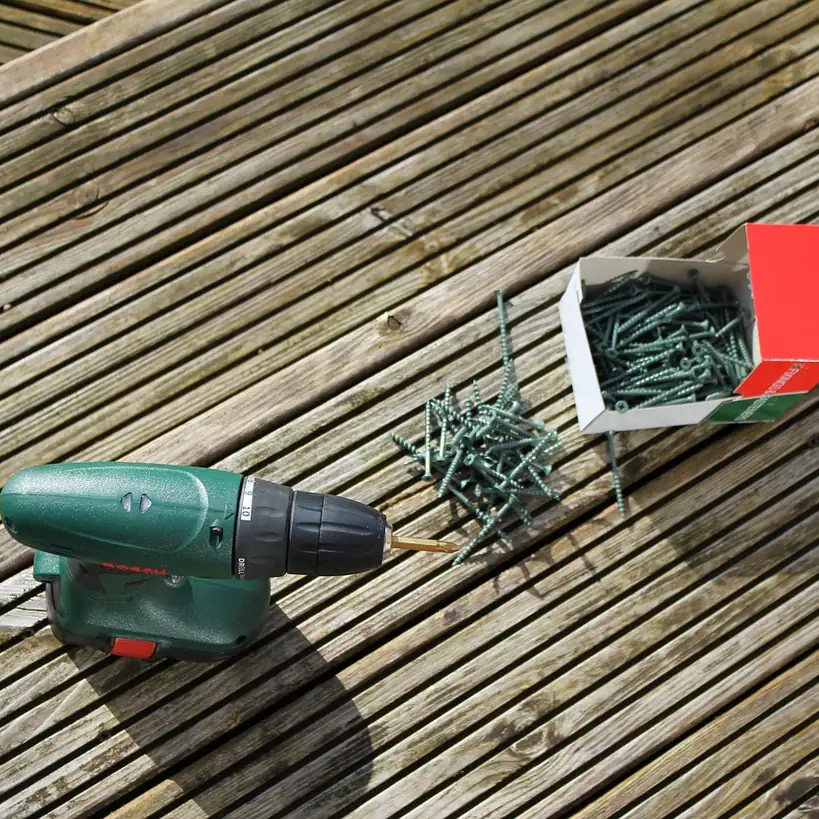
A pocket hole is an angled hole drilled into one board so a screw can pass through it and into a second board, pulling the two tight. According to Kreg Tool's official learning guides (reviewed September 2026), the hole is drilled at a 15 degree angle with a stepped bit held by a jig, and the whole method is a two-step process: drill, then drive. The self-tapping screw creates its own clamping force as it tightens, so the joint holds instantly and glue is optional.
That self-clamping is the reason pocket holes are so beginner-friendly. You are not fighting to hold two parts in alignment while glue sets, because the screw does the holding the moment it seats. Kreg notes the jig keeps the angle and depth consistent, which removes the single hardest part of angled drilling.
The trade-offs are real. The angled hole is visible unless you fill it with a plug, so pocket holes suit surfaces seen from one side, like a cabinet face frame or the underside of a shelf. Kreg also lists a hard limit: pocket holes make butt joints and edge joints, but they cannot join two boards end to end to make a board longer.
How dowel joints actually work
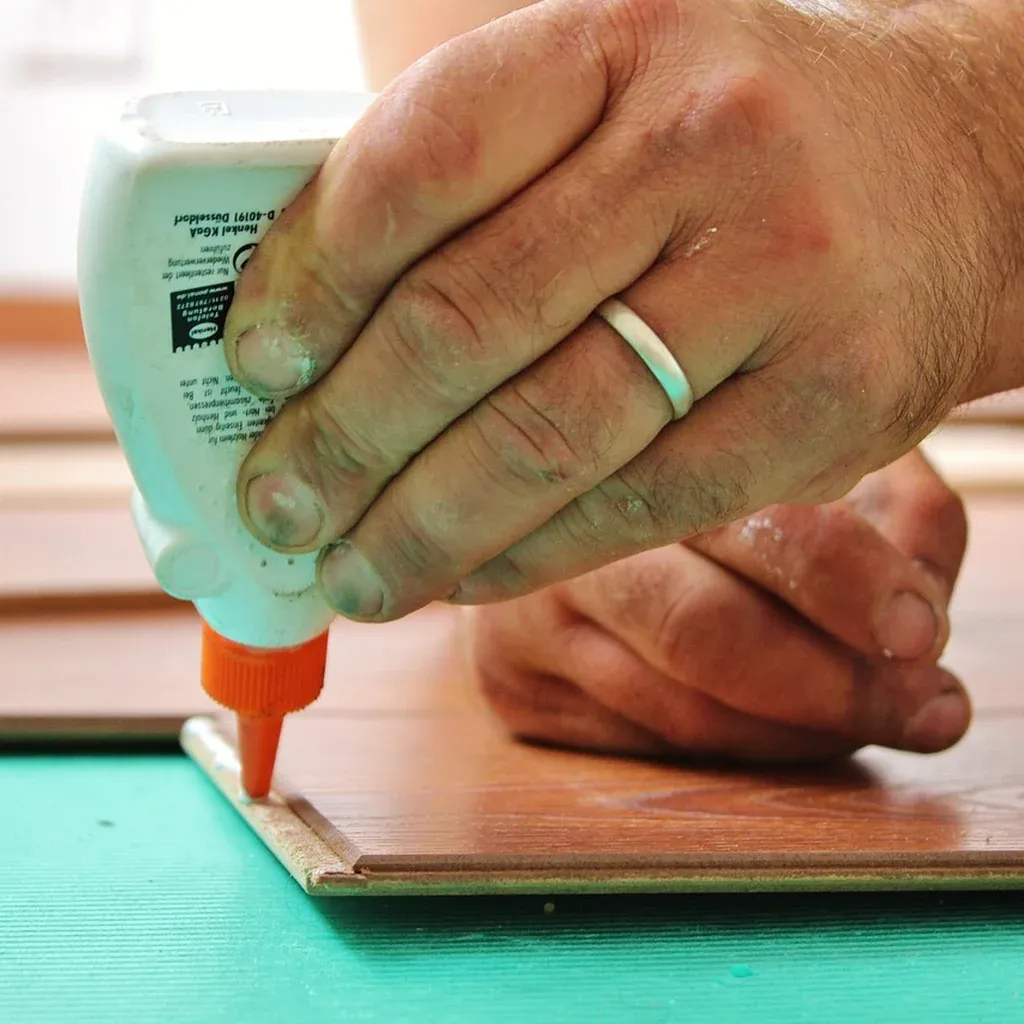
A dowel joint hides short wooden pins inside matching holes drilled into both boards, then glues them together. There are no fasteners and nothing shows on the outside, which is why furniture makers reach for dowels when a piece has to look clean from every angle. The strength comes from glue surface area and the mechanical alignment of the pins, not from a screw's grip.
The catch is accuracy. Because the holes in both boards must line up almost perfectly, dowels depend on a good jig and careful marking. Get the spacing or depth wrong and the joint either will not close or ends up misaligned, and a snapped dowel can be genuinely hard to remove. That is why dowels are the second joint to learn, not the first.
Kreg's fluted dowels come in 1/4 inch, 3/8 inch, and 1/2 inch sizes, with the common 3/8 inch by 1-1/2 inch pin sold as the KD375-30 (kregtool.com, reviewed September 2026). The flutes let glue spread along the pin and chamfered ends help the dowel start into the hole, two small design details that make a big difference to a beginner's success rate. A practical habit: drill and dry-fit one joint in scrap first to confirm your depth stop before you commit holes to the real workpiece.
Which is stronger, and does it matter for your project
Dowels generally test stronger, but "stronger" is not the same as "strong enough." A widely cited home-shop test published by Woodgears (woodgears.ca, reviewed September 2026) reported a two-dowel joint breaking at roughly 153 pounds of force, against about 99 pounds for a comparable pocket hole joint, with mortise and tenon joints landing higher, in the 202 to 226 pound range depending on the glue. Treat these as one shop's results on one joint size, not a universal spec, because species, glue, screw count, and dowel count all move the number.
Here is the part that matters for a beginner: a bookshelf, a closet cabinet, or a picture frame almost never sees 99 pounds of force pulling a single joint apart. For those everyday projects, a pocket hole joint is comfortably strong enough, and the extra strength of dowels is capacity you are not using. Save dowels, and eventually mortise and tenon, for pieces that carry real load or must survive decades, like a dining chair or a workbench. If you want to see how joint choice fits into buying only the tools that earn their place, our guide to the woodworking tools you don't need as a beginner makes the same case about spending.
Cost, space, and noise: the constraints nobody mentions
Both methods run off the same core tool, a variable-speed drill or driver, so if you are choosing your first drill, that decision matters more than the jig. Our cordless drill buying guide for new woodworkers covers the clutch and speed features that make either joint easier to drive cleanly. Beyond the drill, a basic pocket hole setup is one jig plus screws, while a dowel setup adds a matched drill bit, the dowels themselves, and usually a pair of clamps to hold parts while glue cures.
Space and noise are the constraints small-space woodworkers feel hardest. Dowels need clamped glue-ups, which means clamp real estate and cure time on whatever surface you have. Pocket holes skip the clamped wait, which is a genuine advantage on a kitchen table or a balcony bench. Both throw chips and fine dust, so plan for cleanup before you drill. If you work in a flat, our advice on how to contain sawdust in a small apartment applies to both joints. For low-risk builds that respect a deposit and a landlord, start with woodworking projects for renters that won't damage anything, where either joint fits the scale.
Safety: protect your eyes, lungs, and ears
Drilling either joint throws high-velocity chips, so eye protection is not optional. The eyewear standard is ANSI/ISEA Z87.1, written by the American National Standards Institute and the International Safety Equipment Association, and made enforceable in US workplaces by OSHA under 29 CFR 1910.133 (reviewed September 2026). For woodworking, look for the Z87+ mark, which means the lens passed the high-velocity impact test, not just the basic one. Wraparound frames or side shields add protection against chips coming from the side.
Fine wood dust is a lung hazard, not just a mess. Sawdust from drilling and sanding is a respiratory irritant, so wear a fitted dust mask or respirator, and pick goggles marked D4 or D5 if you are generating a lot of fine dust in an enclosed room. Hearing risk from a handheld drill is lower than from a table saw, but if you move on to louder power tools, hearing protection becomes part of the standard kit. None of this gear is expensive relative to a single trip to urgent care, and it is the one part of the setup you should not economize on.
So which should a beginner learn first?
Learn pocket holes first, then add dowels. Pocket holes let you finish real projects quickly and forgive the small errors every beginner makes, which is exactly what builds the confidence and the marking accuracy that dowels later demand. Once your layout is reliable and you are building something that must look clean on every face or carry more load, dowels are the natural next step, and mortise and tenon after that. Owning pocket holes does not mean skipping dowels, it means earning them in the right order.
FAQ
Are dowels stronger than pocket holes? In tested comparisons, yes. The Woodgears home-shop test (reviewed September 2026) reported roughly 153 pounds to break a two-dowel joint versus about 99 pounds for a pocket hole joint. For most shelves, frames, and cabinets, though, a pocket hole joint is already strong enough, so the extra strength is capacity you rarely use.
Can I use pocket holes and dowels on the same project? Yes. Many makers use pocket holes for hidden structural joints like a cabinet face frame and reserve dowels for spots that must look clean from every side. There is no rule against mixing them within one piece.
Do I need glue with pocket hole joints? Kreg's guides note glue is optional with pocket holes because the self-tapping screw supplies the clamping force. Adding glue increases long-term strength, so many woodworkers use both for load-bearing joints and screws alone for jigs, shop furniture, or parts they may take apart later.
What size dowel should a beginner start with? The 3/8 inch dowel is the common middle option, strong enough for cabinets and furniture without the fussiness of the smallest pins. Kreg sells matched 1/4 inch, 3/8 inch, and 1/2 inch dowels and drill guides, so your bit and pin diameter always agree.
Which joint is better for an apartment woodworker? Pocket holes, in most cases. They skip the clamped glue-up and cure time that dowels need, so they suit a kitchen table or a balcony better. Both create dust, so plan cleanup and dust control either way.