Beginner Woodworking Projects for a Balcony
Beginner woodworking projects for a balcony, filtered by noise, dust fall to the balcony below, weather exposure, and lease rules, not just size.

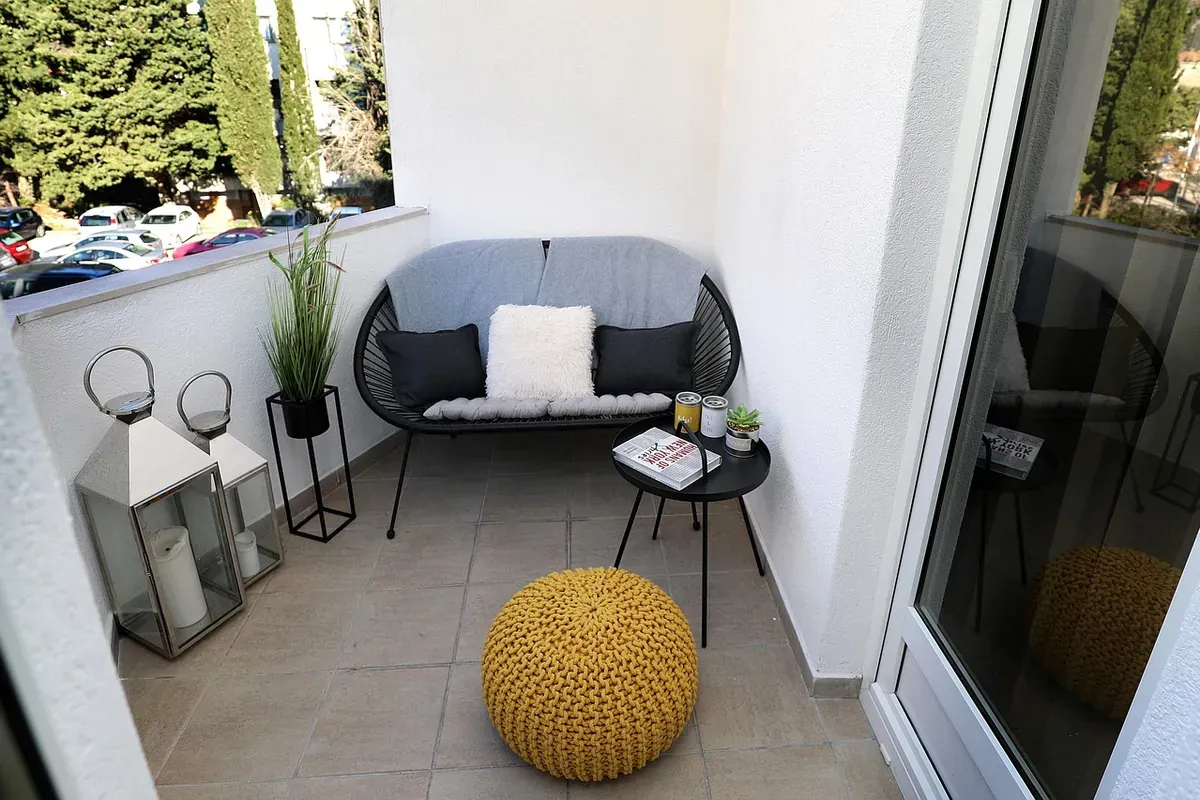
A genuinely balcony-appropriate beginner woodworking project is small, portable enough to carry back indoors, built with hand tools to keep noise from carrying to neighbors, sized to contain its own dust rather than let it fall onto the balcony below, and either finished for weather exposure or stored inside between uses. Many rental leases restrict what can be left on a balcony permanently, so that last point matters before you buy a single board.
What "balcony-friendly" actually means for this list
Most "beginner woodworking projects" lists are really just small-project lists that happen to mention a balcony once in the title. That's not what this one is. A balcony is shared or overlooked outdoor space in a rented building, sitting close to other units' windows and other people's balconies, exposed to weather an indoor project never faces, and often governed by lease terms an apartment interior isn't. A project belongs on this list only if it can be justified against those four things: it stays quiet enough for a shared building, it doesn't drop dust or debris on whoever's below, it survives or avoids weather exposure, and it doesn't run into a lease restriction on what can live on a balcony. If a project idea can't clear at least one of those, it doesn't belong here, no matter how small it is. If you haven't picked a workspace at all yet, the site's roadmap for starting without a garage covers a balcony as one option among several, alongside a spare room or a kitchen table.
Before you build here: noise, dust, weather, and lease restrictions
This section is the article's actual differentiator, not a disclaimer to skim past.
Noise carries to neighbors. A balcony sits closer to other people's windows and balconies than most interior rooms do, and sound that would be muffled by walls indoors travels freely outdoors. That makes hand-tool techniques, a hand saw and sandpaper over a circular saw or power sander, the default here, not just a preference. The apartment workshop setup guide covers balcony noise and timing in more depth if you're setting up a regular routine there.
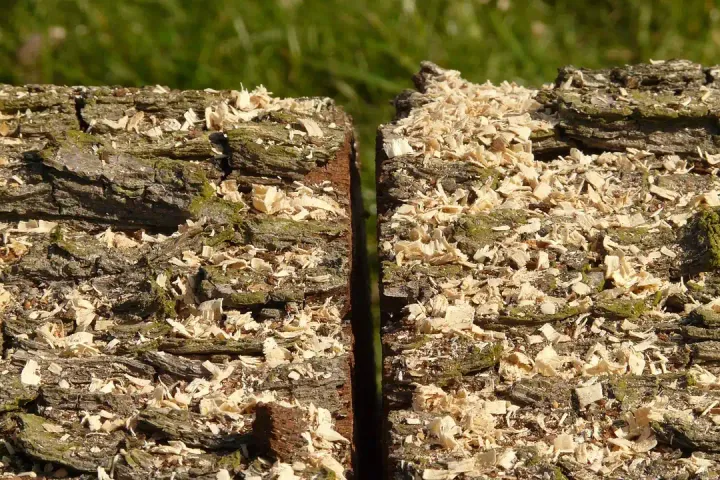
Dust and offcuts can fall onto the balcony below. This is easy to miss because it isn't a concern indoors at all: sanding or cutting on an open-air balcony can drop sawdust, small offcuts, or finish overspray onto whoever's balcony is directly below yours. That's not your problem to ignore, it's a real courtesy and, in some buildings, a lease issue. Work over a drop cloth or a container that catches debris, and if a cut is going to throw real chips or dust, consider doing that one step indoors instead.
Anything left outside is weather-exposed. Sun, rain, and temperature swings act on unfinished wood and glued joints in ways an indoor project never experiences. A project meant to live on the balcony long-term needs a finish rated for that exposure and a design that tolerates some seasonal movement; a project that isn't built for that should come back inside between uses.
Many leases restrict balcony use. Storage limits, alteration restrictions, and rules about what can be left visible from outside are common in rental leases, though terms vary by building, so check yours rather than assuming either way. The renter-focused project guide covers this same reversibility and lease-checking discipline across other small builds on this site.
[SAFETY] A balcony railing, an uneven balcony floor, and the drop below all add real risk that an indoor tabletop doesn't have. Keep tools and offcuts away from the railing edge, don't lean over it to reach a dropped piece, and treat any load-bearing item left outside as needing extra scrutiny before you trust it, covered further below.
Project idea: a compact plant stand sized for a railing or corner

A small plant stand clears the balcony filter cleanly: it's genuinely small, it's built with a hand saw and miter box rather than power tools, and it's light enough to bring inside if weather turns or a lease issue comes up. The tradeoff to plan for is the pot itself, a stand carrying wet soil needs to be checked for wobble before it's trusted with a full pot, especially on an uneven balcony floor. The full plant stand build covers the design, the cutting, and the stability check in detail.
Project idea: a small portable tray or coaster set you can bring indoors easily
A coaster or small tray set is arguably the most balcony-appropriate build on this whole list: it's small enough that the cutting and sanding can happen indoors entirely, sidestepping the dust-fall concern above, and the finished pieces are light and quick to carry back in before rain or an evening chill. The wooden coaster build walks through cutting small blanks safely and choosing a finish that holds up to actual use.
Project idea: a lightweight side table or small stool you store indoors between uses
This is a bigger step up than the two projects above, and it earns its place on this list only with real caveats attached. A small side table or stool can work on a balcony if it's genuinely light enough to carry indoors after each use and built with hand tools to stay within the noise limit, but it's also the first item on this list that's load-bearing in a way that matters: something you'll sit or set weight on. [SAFETY] If a piece like this is ever left outside for an extended period, weather exposure can affect joint strength over time in ways that aren't always visible from the outside, so a stool or table that lives outdoors permanently needs more scrutiny before you trust it than one you bring in every time, and should not be trusted with real weight without checking every joint first. No specific cut list is given here; treat this as the project to attempt once you've built the plant stand or coaster set above and want the next step up, not as a first balcony project.
Finish and weather-exposure honesty
An "outdoor-rated" finish claim deserves a second look before you trust it for a balcony piece. In general, widely documented finishing knowledge holds that wood exposed to direct sun, rain, and repeated wet-dry cycles moves and weathers faster than wood kept indoors, and that different finish types vary in how well they resist that cycle, but no specific brand or durability figure is claimed here, since those numbers vary by product and exposure and go stale quickly if quoted secondhand. The safer default for anything genuinely built to live outside is to check the finish manufacturer's own guidance for outdoor use, reapply it on the schedule they recommend, and expect a piece left outside to need more upkeep than the same piece kept indoors.
What could go wrong, and the safer fix
A neighbor complains about noise. Move to hand tools only if you haven't already, and keep working hours to a reasonable daytime window rather than evenings, even for a quiet hand saw.
Dust drifts onto the balcony below. Stop and move the cutting or sanding step indoors, or add a drop cloth and a container to catch debris before you continue. This is worth fixing before it happens once, not after a complaint.
A project left outside warps or the finish fails. Bring it inside as soon as you notice, let it dry out fully before assessing the damage, and expect that a piece meant to live outdoors long-term may need refinishing on a regular schedule rather than treating the first finish as permanent.
FAQ
What makes a project actually balcony-friendly, versus just small? It has to clear the constraints that are specific to a balcony: quiet enough not to bother neighbors, contained enough not to drop dust on the balcony below, weather-aware, and checked against your lease. A small project that ignores all four isn't balcony-friendly, it's just small.
Is it legal to do woodworking on my balcony? It depends entirely on your specific lease and building rules, which vary. Check your lease directly rather than assuming either way before you start a regular habit of building out there.
Can I really do this without power tools? Yes, for every project on this list. Hand saws, hand sanding, and hand-driven fasteners are quiet enough for a shared balcony in a way power tools generally aren't, which is exactly why the hand-tool path is the default here.
What if dust from my project falls onto my neighbor's balcony? Move the dusty step indoors, or work over a drop cloth and contained catch area before you start. It's a real courtesy issue, and in some buildings a lease issue, not just a cosmetic concern.
Should I leave a finished project outside permanently? Only if it's genuinely built and finished for outdoor exposure, and even then it needs more upkeep than the same piece kept indoors. For anything load-bearing, bring it in between uses unless you've specifically built and finished it for permanent outdoor use.