Minimal Tool Kit
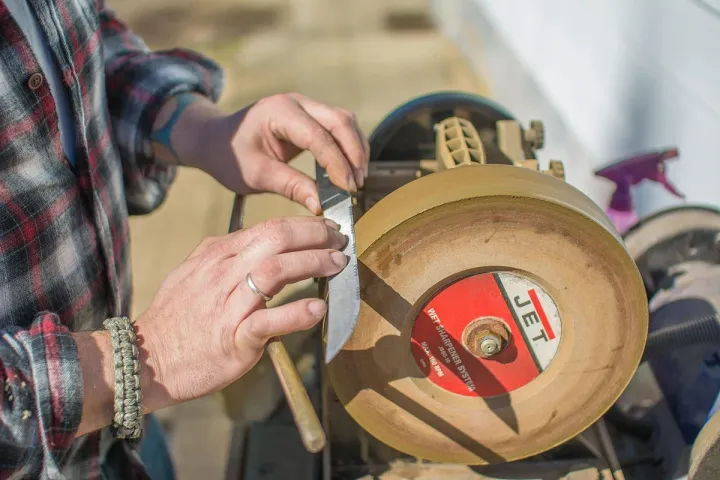
How to Sharpen Woodworking Tools as a Beginner
Flatten the back, set the bevel, raise a burr, remove it. The sharpening method for chisels and plane blades at a kitchen table, no grinder needed.
Flatten the back, set the bevel, raise a burr, remove it. The sharpening method for chisels and plane blades at a kitchen table, no grinder needed.
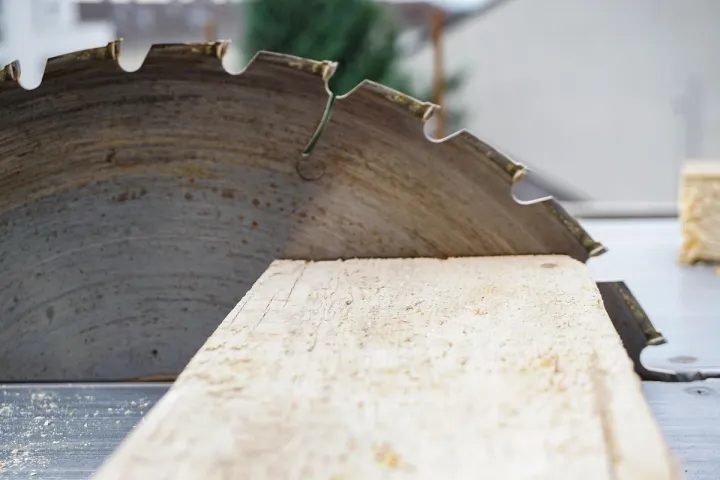
Cut depth, rail length and joining, the rail system you commit to, dust extraction and storage. How to judge a track saw for a small space.
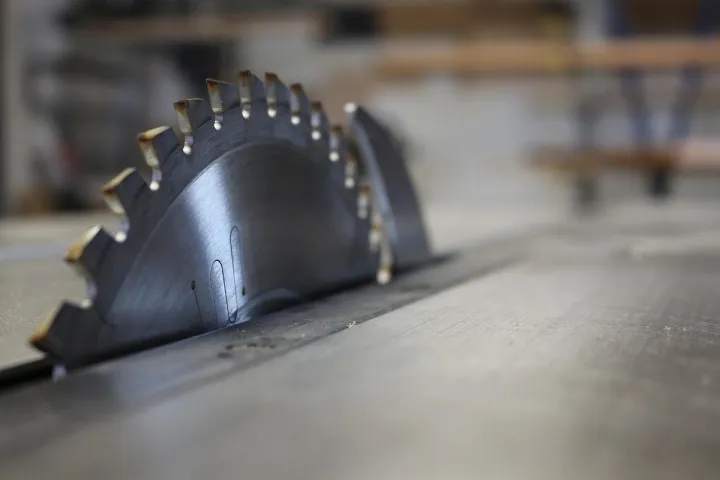
What a table saw actually does, broken into four jobs, and which small-space tool covers each one. Rip, crosscut, sheet goods and repeat cuts.
The answer is per tool, not per shop. Sustained load, storage volume, charging in your home, and the noise figure that is already in the manual.
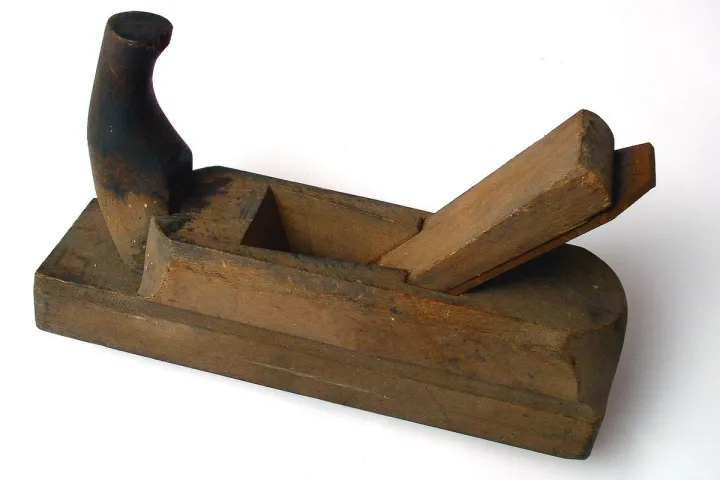
What plane numbers mean, why sole length is the real specification, and the honest test for whether a beginner in a small home needs a plane at all.
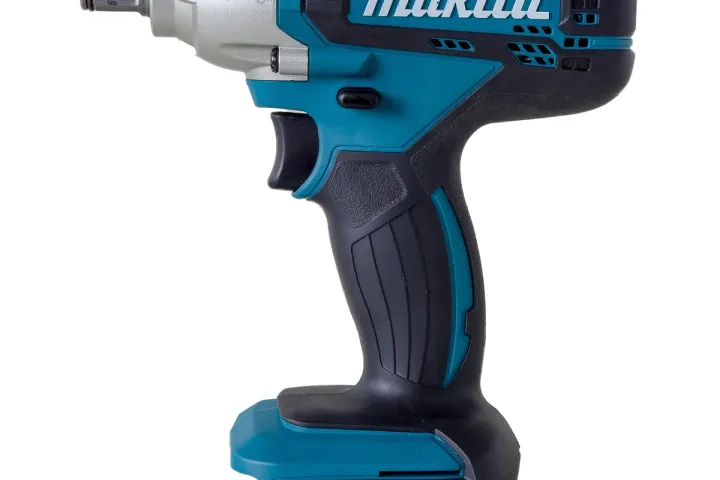
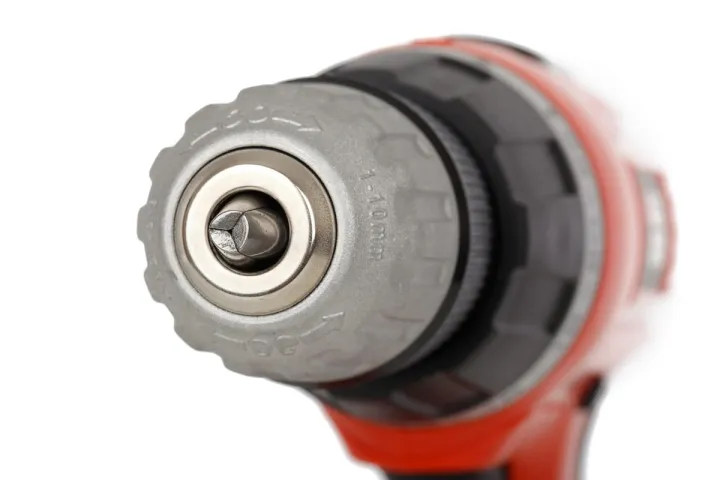
Why an impact driver cannot replace a drill, what its hex collet and missing clutch change, and the three questions that decide if you need both.

Pad size, disc availability, orbit diameter and dust extraction, the four specs that decide a sander indoors, plus the grit scales explained.
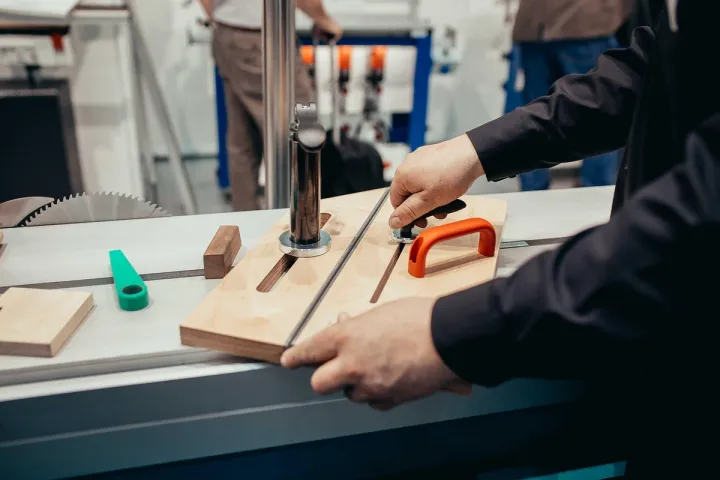
What a miter saw is genuinely for, the footprint nobody mentions, the hand placement rule from the manuals, and the cuts that belong elsewhere.
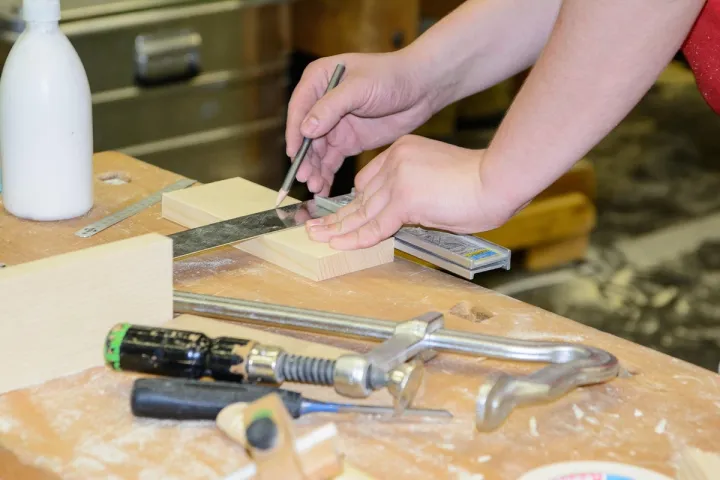
What a router actually does that other tools cannot, why bit rotation and feed direction decide whether it is safe, and when to postpone buying one.