Impact Driver vs Drill: Do You Need Both?
Why an impact driver cannot replace a drill, what its hex collet and missing clutch change, and the three questions that decide if you need both.

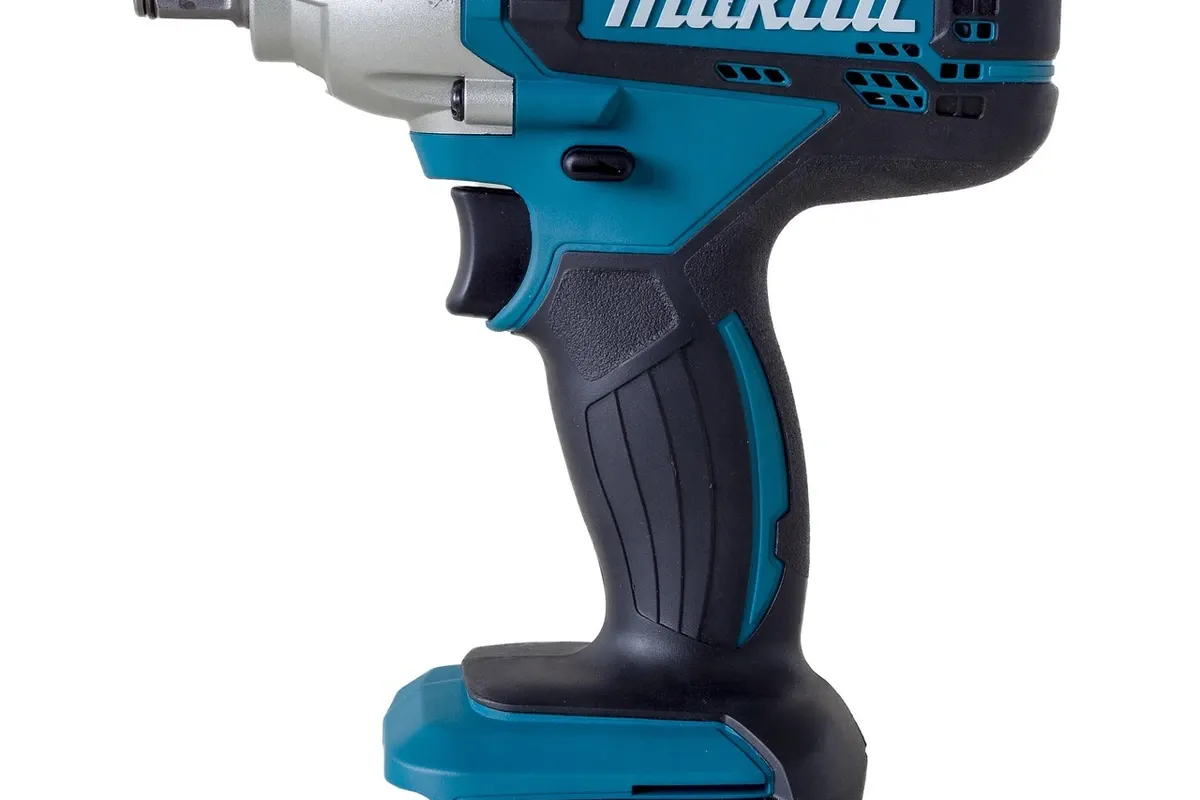
Buy the drill first, and treat the impact driver as a second tool rather than an alternative. A drill/driver holds round and hex shanks in a chuck, has a clutch that stops driving at a set torque, and drills accurate holes. An impact driver takes only 1/4 inch hex shanks, has no clutch, and drives long fasteners with far less effort. They overlap on one job, driving screws, and on nothing else.
The question is not which is better. It is whether the work you actually do includes enough long fasteners to justify a second tool, a second charger slot and a second thing to store.
What Each Machine Does Mechanically
A drill/driver rotates continuously. The motor turns a gearbox, the gearbox turns the chuck, and a clutch sits between them: when resistance reaches the number you set on the collar, the drive slips with a ratcheting sound instead of continuing to turn. That clutch is what stops a screw head from being driven through the surface, and it is the most useful feature on the tool.
An impact driver rotates and hammers. Under light load it simply turns. When resistance rises, an internal hammer disengages and strikes an anvil, delivering short rotational blows many times a second. Each blow overcomes the friction holding the fastener still, so the screw advances in small increments.
The consequence is torque reaction. In a drill, all the resistance the bit meets comes back through your wrist. In an impact driver it is absorbed by the impact mechanism, which is why a long screw that would twist a drill out of your hand goes in comfortably one-handed. The specifications behind a drill purchase, including the clutch, the chuck and the battery platform, are covered in the cordless drill buying guide.
| Drill/driver | Impact driver | |
|---|---|---|
| Bit holder | Keyless chuck, round or hex shanks | 1/4 inch hex collet only |
| Clutch | Yes, numbered torque settings | None |
| Action | Continuous rotation | Rotation plus rotational impacts under load |
| Drilling | Its main job, including large bits | Rough holes with hex bits at best |
| Long screws | Twists your wrist, may stall | What it is built for |
| Small hardware | Controlled by the clutch | Easy to bury or snap |
| Noise | Motor and gearbox | Hard pulsing metallic hammering |
What an Impact Driver Cannot Do
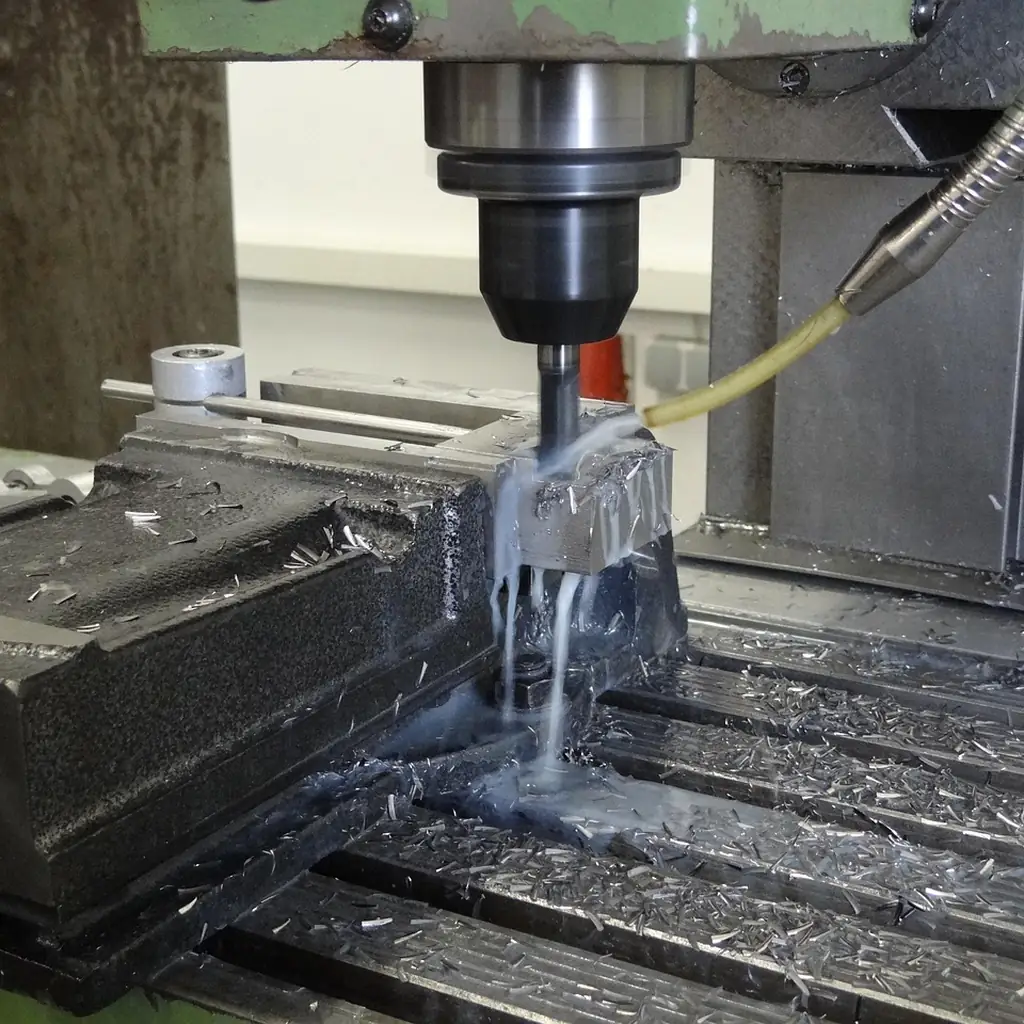
This is the part the tool aisle does not spell out, and it is why the impact driver is not a first purchase.
It cannot hold a normal drill bit. The collet takes 1/4 inch hex shanks only. Hex-shank drill bits exist, and adapters exist, but both add runout, which means the bit wobbles slightly off center. For a pilot hole nobody sees, that is tolerable. For a hole that must be where you marked it, it is not.
It has no clutch. Depth and torque are controlled entirely by your trigger finger and your judgment. That works for a construction screw into a stud. It goes badly on small brass screws, on hinge screws, and on anything in thin or soft stock, where the head buries itself or the screw snaps.
It is poor at controlled drilling. No clutch, less speed finesse, and impacts that begin the moment resistance rises. Forstner bits, hole saws and large-diameter bits belong in a drill.
It is loud in a way that matters at home. The impact mechanism is metal striking metal, and it produces a hard, pulsing noise that carries through a building's structure rather than just through the air. We have no measured decibel figure for an impact driver that we would stand behind, so treat it as loud, wear hearing protection, and keep it off the list of things you do late at night. The general noise picture, and the conversation to have with the people you live near, is in woodworking around roommates and neighbors.
What It Is Genuinely Better At
Long screws. Anything over a few inches, into anything dense. This is the job it exists for and the difference is not marginal.
Structural and lag screws. Fasteners with a hex head or a large drive that need sustained torque.
Repetition. Assembling something with many fasteners, where the wrist strain of a drill accumulates.
Tight spaces. Impact drivers are shorter front to back than most drills, so they reach into places a drill cannot.
Stripped and awkward fasteners. The impact blow breaks static friction, which is what lets it start a fastener a drill would just cam out of.
If your building is small furniture from short screws, none of that list is your week. If you are assembling anything with structural screws or repeatedly driving into hardwood, most of it is.
The Three Questions That Decide It
One: do you regularly drive screws longer than about 75 mm, or into hardwood? If yes, the impact driver saves real effort and reduces the chance of cam-out damaging screw heads. If your work is boxes, shelves and frames in softwood, a drill with the clutch set correctly handles it.
Two: do you swap between drilling and driving constantly? Owning both means the drill keeps the pilot bit and the driver keeps the bit for screws, so there is no chuck change between operations. That is the strongest everyday argument for the pair, and it is a workflow argument rather than a capability one.
Three: where does the second tool live, and on which battery platform? In a small home the honest cost of a second tool is a shelf, a charger and another battery to keep healthy. Buying both on one platform is the only version that makes sense. If space is the binding constraint, the minimal tool kit sets out what earns its place first, and the guide to tools you do not need as a beginner covers what to postpone.
Using Either One Without Damaging the Work or Yourself
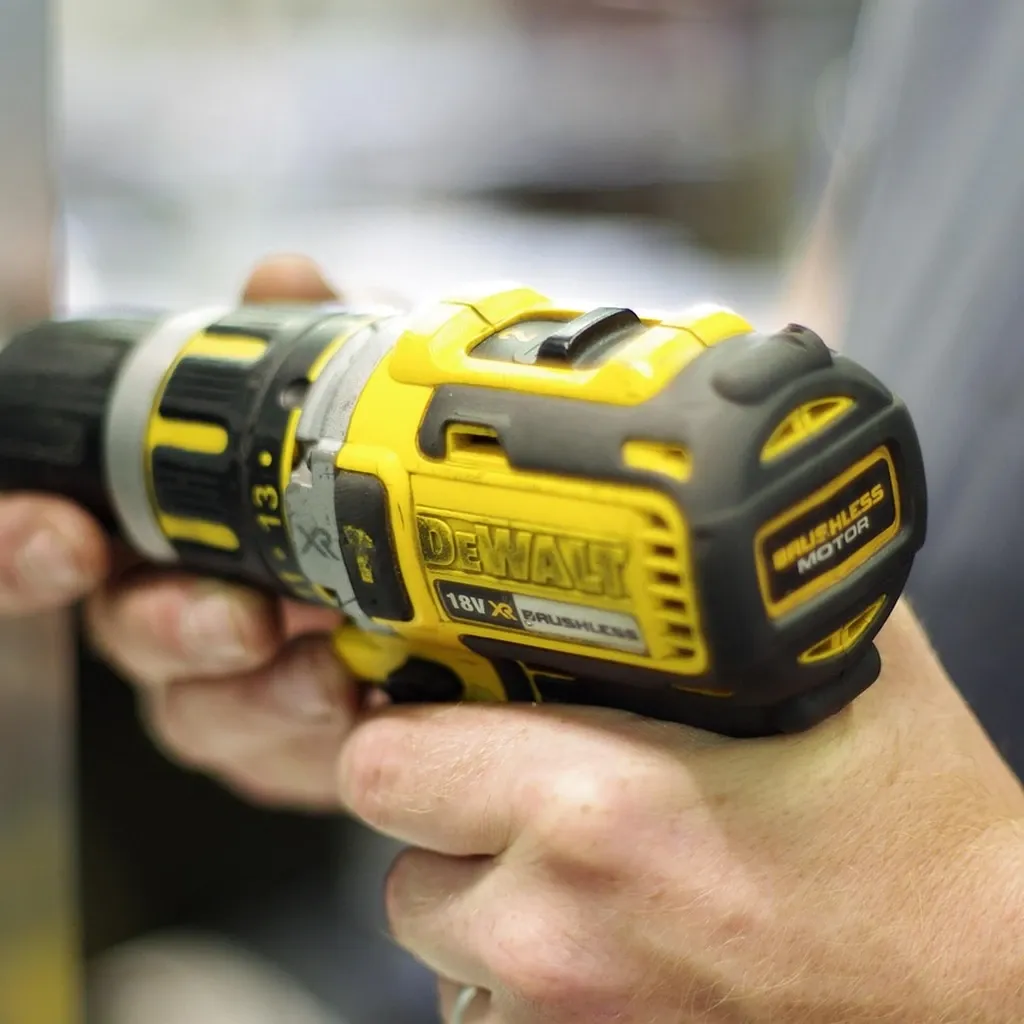
Clamp the workpiece. A drill bit that binds as it breaks through spins the board instead of the bit, and a board turning at speed is what breaks fingers. This matters most on small parts, exactly the parts a beginner holds by hand.
Drill pilot holes, and size them properly. A pilot sized to the screw's shank rather than its threads prevents splitting, which is the most common failure when fastening near the end of a board. An impact driver will happily drive a screw with no pilot and split the piece without hesitating, because it has the torque to do so.
Use impact-rated accessories in an impact driver. Standard driver bits are not built for repeated impact loading and can shear. The same applies to sockets: impact sockets exist for a reason, and a chrome hand socket on an impact tool can crack.
Wear eye protection marked Z87+, the ANSI/ISEA Z87.1 marking for the high-velocity impact test. Bits break, screw heads shear, and both travel.
Stop when the tool starts working hard. A fastener that will not go in usually means the pilot hole is too small or the wrong fastener is being used, not that more torque is required. Leaning on an impact driver until something snaps is how a screw head ends up buried in a piece you cannot now take apart, as anyone who has built a wooden box with the wrong screws has learned.
The Short Version
- The drill comes first. It drills accurate holes, holds round shanks, and its clutch protects the work.
- An impact driver takes 1/4 inch hex shanks only and has no clutch, so it cannot replace a drill.
- Its advantage is long fasteners and dense material, with far less torque reaction on your wrist.
- It is bad at small screws, fine hardware and precise holes, where no clutch means no margin.
- It is loud in a pulsing way that travels through a building. Hearing protection, and reasonable hours.
- Own both only on one battery platform, and only if the work actually involves long fasteners.
Frequently Asked Questions
Can I own only an impact driver? Not sensibly for woodworking. It cannot hold round-shank drill bits, and without a clutch it will damage small hardware. If one tool has to cover everything, it is the drill.
Does an impact driver strip screws less than a drill? Usually yes, because the impacts keep the bit seated in the screw head rather than letting it cam out under steady torque. It also has enough power to shear a small screw outright, so the failure mode moves rather than disappearing.
Is a combo kit the right way to buy both? It is the usual way, since the pair share batteries and a charger and are sold together. Judge it on the platform and on whether you will use the second tool, not on the saving, and check that batteries and bare tools for that platform are sold where you live.
Can an impact driver drill holes? With hex-shank bits, in rough work, yes. It will not drill accurately, and it cannot take standard round-shank bits, Forstner bits or hole saws at all. Treat hole drilling as the drill's job.
Which one is safer for someone starting out? The drill, because the clutch gives you a defined stopping point and because it is the tool that suits small fasteners. Both need the same discipline: clamp the work, protect your eyes, and stop when the tool is fighting you.