Hand Plane Buying Guide for New Woodworkers
What plane numbers mean, why sole length is the real specification, and the honest test for whether a beginner in a small home needs a plane at all.

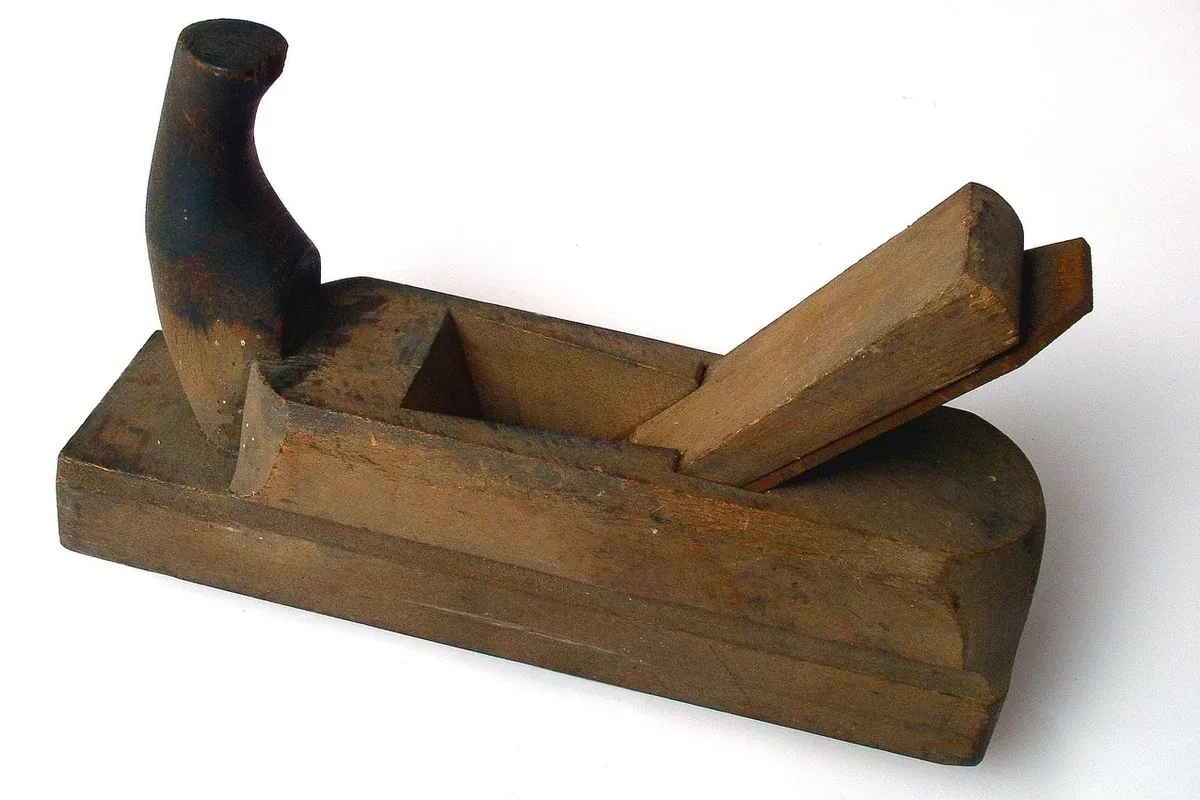
Before you choose a plane, decide which of three jobs you are trying to do, because the plane's length is chosen to match the job and nothing else about the tool matters as much. Flattening a long edge or a wide board needs a long sole. Taking a final shaving off a surface needs a short one. Trimming end grain and easing an edge needs a small plane you can hold in one hand. And a large number of beginners working in a flat with pre-milled lumber never hit any of those three jobs, which means the honest answer for them is that a plane is a want and not a need.
This page names no winner and quotes no price. It explains the numbering, the specifications that decide behavior, and the test for whether you need one at all.
Why This Page Has No Picks
Nobody here has used the planes you are about to look at, so nothing below is a review. No model is crowned, no price appears, and no brand is ranked against another. What is durable is the specification: a sole length, a bed angle and a blade thickness mean the same thing in twenty years, and they let you judge a plane on a secondhand table as well as a new one. Brands appear only where we are quoting something that brand published itself.
Plane Numbers Explained, Which Is Really a Length Chart
The numbering that everyone finds confusing is a size scale, and it descends from a nineteenth century catalog rather than from any standard. Once you know that the number is roughly a proxy for length, it stops being mysterious.
Lie-Nielsen groups its bench planes exactly this way in its own catalog: the shortest and widest planes are for finishing, the mid-sized planes are best for roughing work, and the longest planes are designed for flattening (Lie-Nielsen Toolworks, bench planes category, read September 8, 2026).
Two published examples make the scale concrete:
- No. 4 smooth plane: 9-1/2 inches long, 4-1/2 pounds, blade 2 inches wide by 0.125 inch thick, A2 tool steel hardened to Rockwell 60 to 62, bedded at 45 degrees bevel down (Lie-Nielsen Toolworks, read September 8, 2026).
- No. 5 jack plane: 14 inches long, 5-1/2 pounds, blade 2 inches wide by 0.125 inch thick, same steel and same 45 degree bevel-down bed (Lie-Nielsen Toolworks, read September 8, 2026).
Same blade, same angle, nearly five inches and a pound apart. The difference between those two planes is almost entirely the sole.
Why Sole Length Is the Specification That Does the Work
A plane sole is a straightedge that carries a blade. That is the whole idea.
A long sole bridges the hollows in a board and only lets the blade touch the high spots, so repeated passes remove the humps and the surface converges on flat. A short sole follows the surface it is riding on, so it takes a shaving everywhere including inside a dip, which makes it good at smoothing and bad at flattening.
That single mechanism explains the whole size range. It also explains why buying a smoothing plane to flatten a cupped board leads to a frustrating afternoon and a board that is still cupped.
The other consequence is weight, which sounds trivial and is not. A heavier plane carries momentum through a cut and takes less effort to keep moving. It is also heavier to hold at the end of a long session, and it is heavier to store, which in a small home is a real cost rather than a footnote.
Bevel Down and Bevel Up
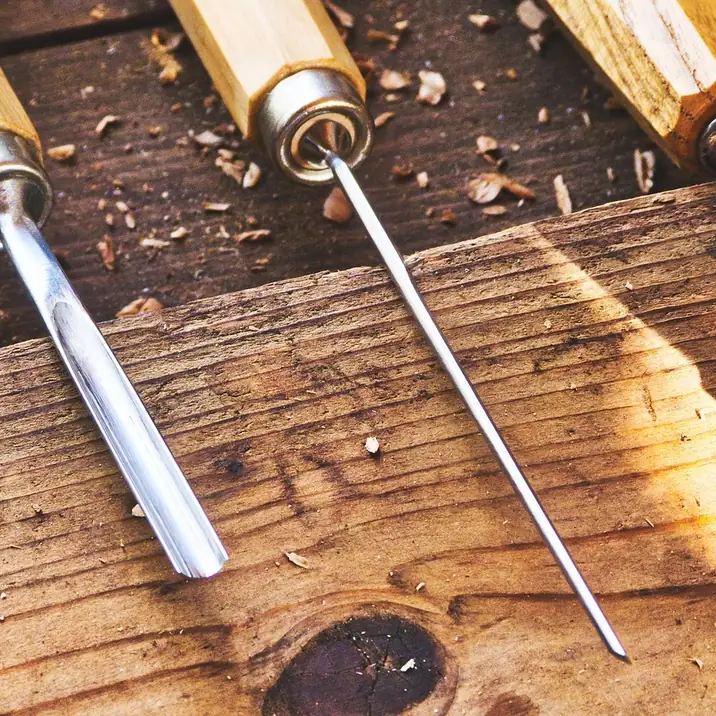
Two constructions are sold side by side and the listing rarely explains the difference.
In a bevel-down plane, the blade sits bevel side downward on a bed, usually at 45 degrees, and the effective cutting angle is set by the bed. Sharpening angle changes the edge but not the attack angle.
In a bevel-up plane, the blade lies bevel upward on a low bed, and the effective cutting angle is the bed angle plus the bevel you sharpen. That means you can change how the plane behaves by resharpening at a different angle, which is genuinely useful for difficult grain, and it is a reason bevel-up planes get recommended to people who want one plane rather than three.
Neither is a beginner trap. What matters is knowing which one you have, because sharpening advice for one is wrong for the other.
The Three Jobs, and the Best Hand Plane for Beginners in Each
Job one, flattening. Making a board flat and an edge straight over its length. This wants the longest sole you are willing to own and store, and it is genuinely hard work by hand on anything wide.
Job two, smoothing. Removing machine marks and leaving a finished surface. This wants a short sole, a fine mouth and a very sharp, finely set blade. It is the job where a plane beats sandpaper outright, because it cuts fibers cleanly instead of abrading them.
Job three, small trimming. Easing a sharp corner, fitting a drawer, taking a whisker off end grain, chamfering an edge before finishing. This wants a small one-handed plane, and it is by a wide margin the job a beginner in a flat actually meets.
If your honest answer is job three, buy for job three. A small plane costs less, stores in a drawer, and gets used. A large flattening plane bought as a first plane commonly gets used twice.
The Question Most Guides Skip: Do You Need One At All?
Here is the test, and it is not a rhetorical one.
Buy a plane when you are already being stopped by a problem only a plane solves. That means: your boards arrive cupped or twisted and you have no machine to fix them; or you want a surface off the tool that sandpaper cannot match; or you keep needing to shave a fraction off a part to make it fit and a saw is too coarse.
Do not buy a plane because it is quiet. That is a real and appealing argument in a rented flat, and it is the argument that sells the most unused planes. Silence is a property of all hand tools, and there are quieter routes to the same result. A hand-tool-only path is a legitimate and complete way to work, and it is laid out properly in the hand tool starter kit guide; a single plane bought in isolation is not that path.
Do not buy a plane instead of a sander. They do different jobs. A plane leaves a cleaner surface on flat faces; a sander handles curves, plywood, end grain and edges without any setup and without a sharpening system behind it.
Planes appear on nearly every beginner essentials list, which is precisely the kind of list-driven purchase that fills a small flat with tools nobody uses. That failure mode has its own guide in the tools you do not need as a beginner.
What a Plane Actually Demands From Your Space
This is where the apartment reality bites, and where shop-based guides are silent.
Planing needs mass under the work and a stop in front of it. You push a plane horizontally, hard, and the workpiece will slide away unless something stops it. A dining table is not that something: it moves, it flexes, and it will be marked. Something heavy, low and braced is, and the realistic options for a home without a bench are covered in the cheap workbench alternative guide and in woodworking without a workbench.
Planing needs the work at a lower height than you think. A comfortable planing height is around the level of your knuckles with arms hanging, because the force comes from your body rather than your arms. Most kitchen counters are too high.
Planing needs a sharpening setup, exactly as a chisel does. A plane that will not take a shaving is almost never faulty; it is almost always blunt, or set too deep, or has a blade that is not seated. A new plane may also need the sole checked and the mouth adjusted before it behaves.
What planing does not need: electricity, dust extraction, or a noise window. Shavings fall to the floor and sweep up, there is no airborne dust cloud, and the loudest sound is the blade. Against a sander, that is a very large advantage in a shared building, and it is the same reason a no-power route works for something like a floating shelf built without power tools.
Buying Used, Honestly
Old bench planes are abundant, and a lot of woodworkers recommend them to beginners on cost grounds. That recommendation comes with a condition that is often left out: a secondhand plane is a project before it is a tool.
The parts that are cheap to fix are the blade, which is a consumable, and the surface rust, which is cosmetic. The parts that are expensive or impossible to fix are a cracked casting, a sole that is badly out of true, a broken or bodged adjuster, and stripped threads. If you cannot inspect it in person and you have never tuned a plane, the risk sits squarely with you.
There is no shame in buying new to avoid that, and no virtue in buying old to prove something. Both are fine. What is not fine is buying a rusty plane, failing to make it cut, and concluding that hand planes do not work.
Handling the Blade Without Cutting Yourself
A plane iron is a wide, heavy, very sharp blade, and it spends most of its life out of the plane during sharpening and setup.
Retract the blade before you set the plane down, and rest the plane on its side or on a scrap rather than face down on grit. Withdraw and carry the blade with the edge away from your palm, not gripped across it. When you assemble a bevel-down plane, the cap iron slides across the flat back of the blade, which is exactly the movement most likely to nick a finger, so do it slowly and over a bench rather than over your lap.
Planing itself is low risk compared with any powered tool, but eye protection marked to ANSI/ISEA Z87.1 still belongs on your face for any work where a knot can throw a chip, and a shaving edge is sharper than it looks when you sweep up by hand.
The Short Version
- The plane number is a length scale. Longest for flattening, mid for roughing, shortest and widest for finishing.
- The sole is the specification. A long sole rides the high spots and makes things flat; a short one follows the surface and makes things smooth.
- Bevel down sets the cutting angle at the bed; bevel up lets you change it by sharpening. Know which you own.
- Pick the plane for the job you actually have, which for most small-home beginners is small trimming, not flattening.
- A plane needs a heavy low surface, a stop, and a sharpening setup. Budget for all three or the plane will not work.
- A plane is silent, dust-light and cordless, which is a genuine advantage in a shared building.
- Used planes are cheap because they are a project. That is fine if you want the project.
Frequently Asked Questions
Which plane should I buy first if I only buy one? Choose by job rather than by number. If you mostly need to trim, chamfer and fit, a small one-handed plane is the one that gets used. If you genuinely need to flatten boards by hand, you need a long sole and you should expect the physical work that comes with it. Buying a mid-size plane as a compromise gets recommended a lot, and it is a reasonable answer only if you actually have both jobs.
Do I need a hand plane if I own a sander? Usually not, at the beginning. A random orbital sander covers surface preparation for the projects most beginners build. A plane wins on flat faces and clean end grain, and it loses on curves, plywood veneer and anything already close to finished.
Why will my new plane not cut anything? Almost always one of four things: the blade is blunt, the blade is retracted above the sole, the blade is set too deep and jamming, or the blade and cap iron are not seated properly against the bed. Work through them in that order before assuming the plane is faulty.
Is a hand plane practical in an apartment? Yes, on the noise and dust side. It makes shavings rather than airborne dust and it needs no power. The real obstacles are height and mass: you need something low, heavy and braced to plane against, which is a harder problem in a rented flat than owning the plane is.
What is the difference between a jack plane and a smoothing plane? Length, mostly. A jack plane is the longer, mid-sized plane used for roughing and initial flattening, and a smoothing plane is shorter and used for the final surface. Published specifications for one common pair put them at 14 inches and 9-1/2 inches long respectively, carrying the same width of blade at the same bed angle.