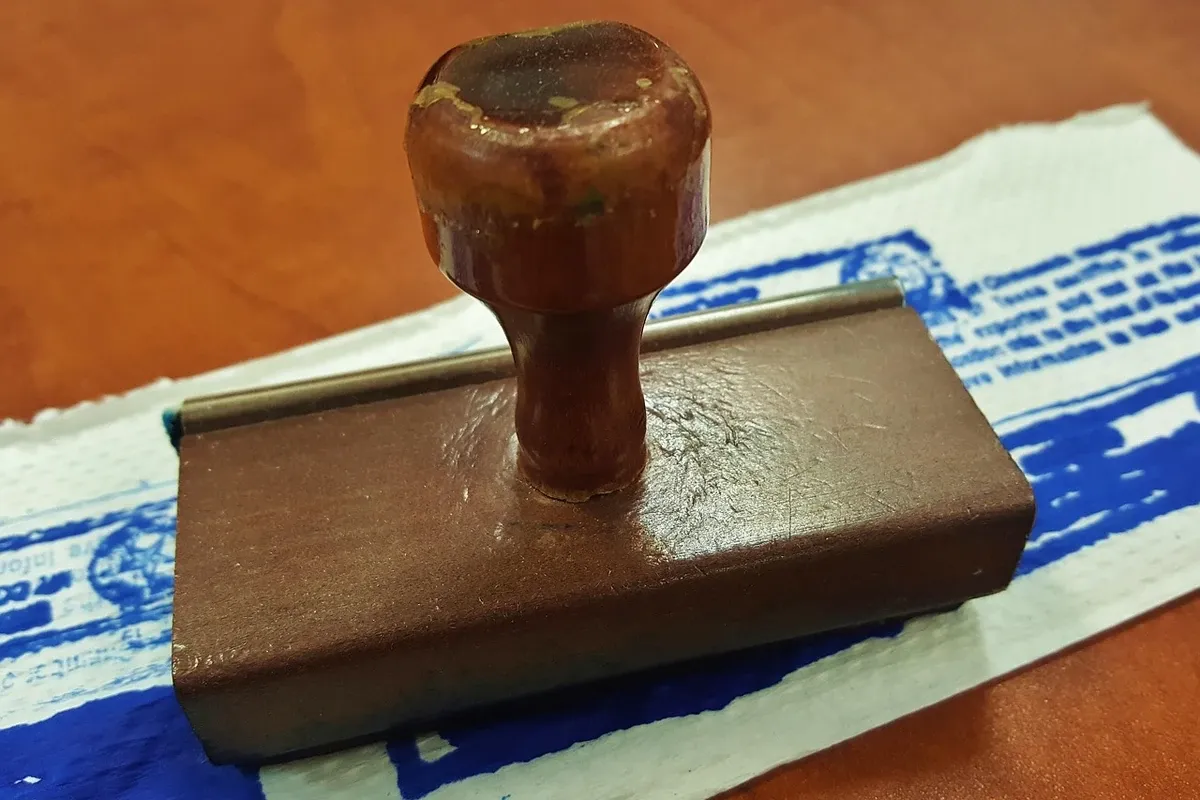

Minimal Tool Kit
Buying Used Woodworking Tools: Used, Refurb or New?
Which woodworking tools are safe bets secondhand, which to buy new, how to inspect each type, and the recall check most buyers skip.
Which woodworking tools are safe bets secondhand, which to buy new, how to inspect each type, and the recall check most buyers skip.
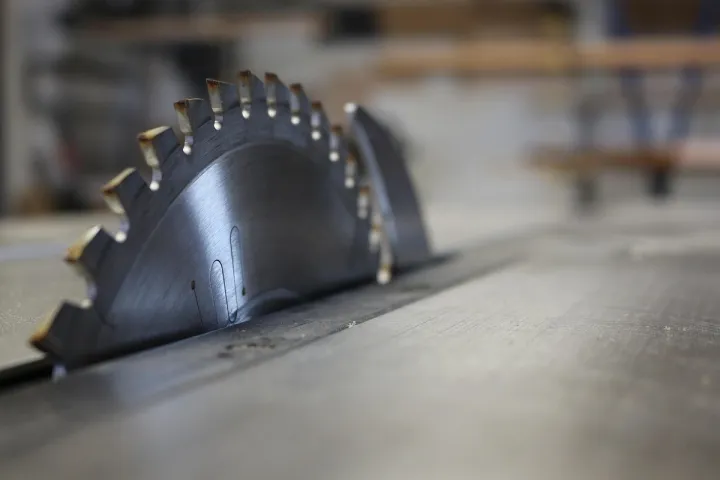
What a table saw actually does, broken into four jobs, and which small-space tool covers each one. Rip, crosscut, sheet goods and repeat cuts.
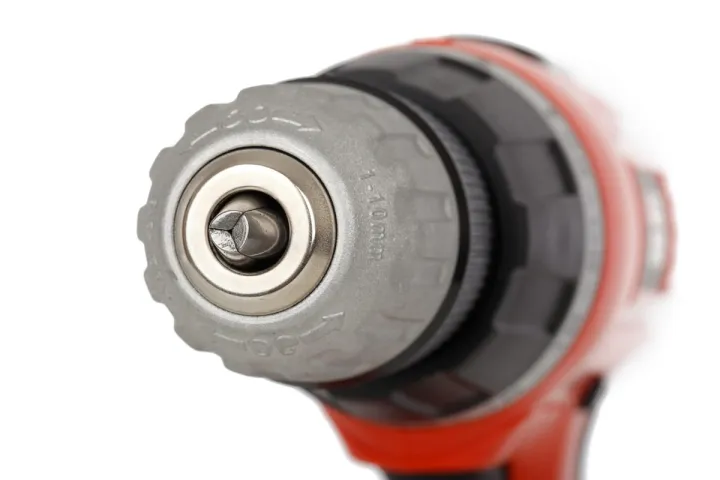
The answer is per tool, not per shop. Sustained load, storage volume, charging in your home, and the noise figure that is already in the manual.
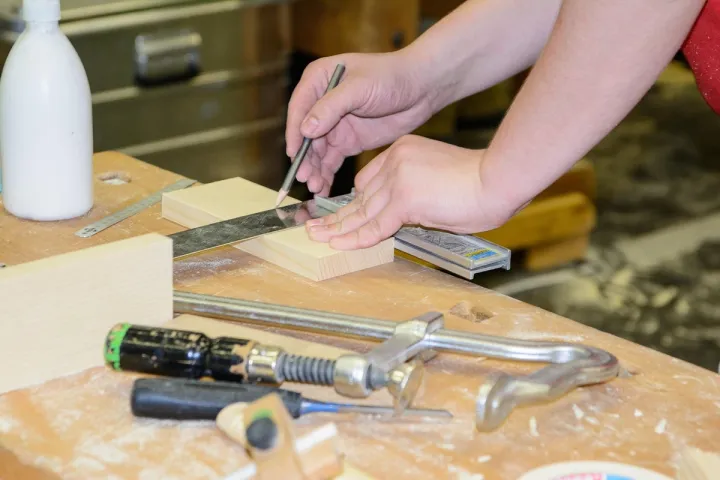
Every starter list disagrees because they count tools. Count operations instead: measure, hold, cut, join, smooth, finish. Four to six items covers it.
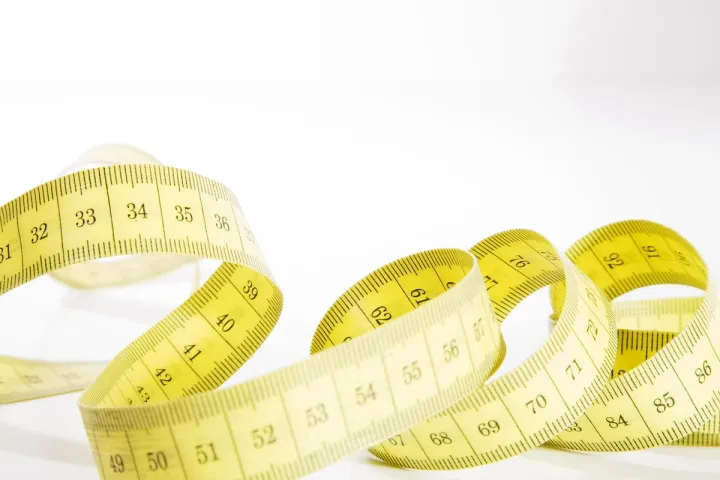
Your accuracy is decided before the saw touches the wood. Line width, tape tolerance classes, square checks and the transfer habit that beats measuring.
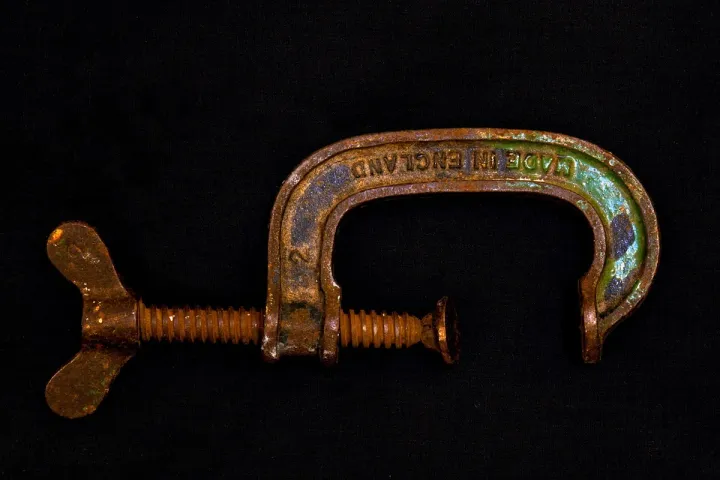
Capacity, throat depth, clamping force and jaw geometry, explained. How to choose clamps by the job they do, when you have no bench and no garage.
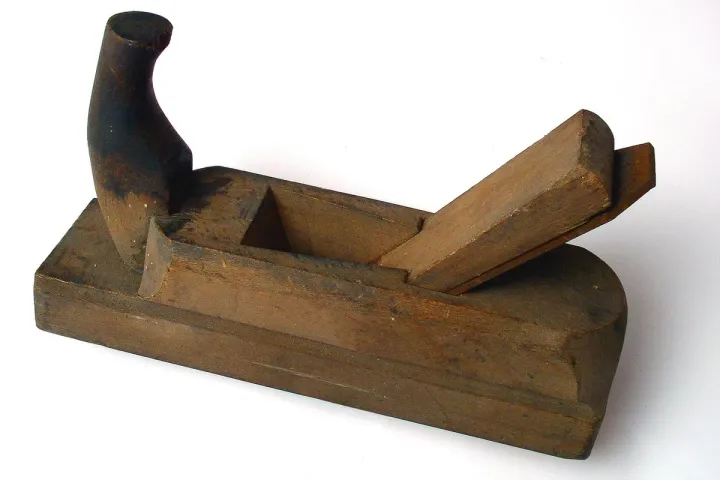
What plane numbers mean, why sole length is the real specification, and the honest test for whether a beginner in a small home needs a plane at all.
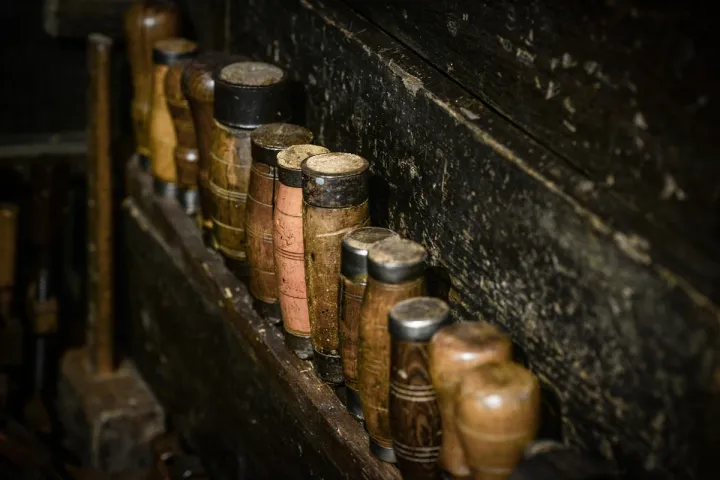
Steel, hardness, widths, handle construction and the sharpening cost nobody puts in the price. How to judge chisels for yourself, with no picks.
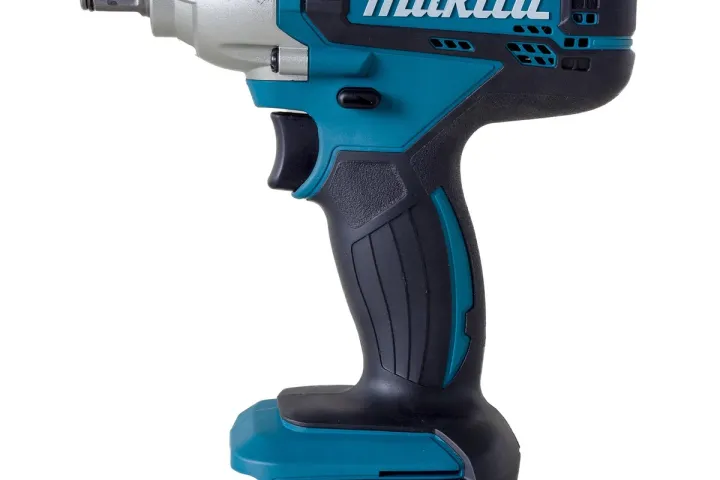
Why an impact driver cannot replace a drill, what its hex collet and missing clutch change, and the three questions that decide if you need both.
Learn how to create a stable work surface, control dust, choose quieter tools, and store everything when the project is done.
Explore small-space woodworking